
Last updated November 14, 2026
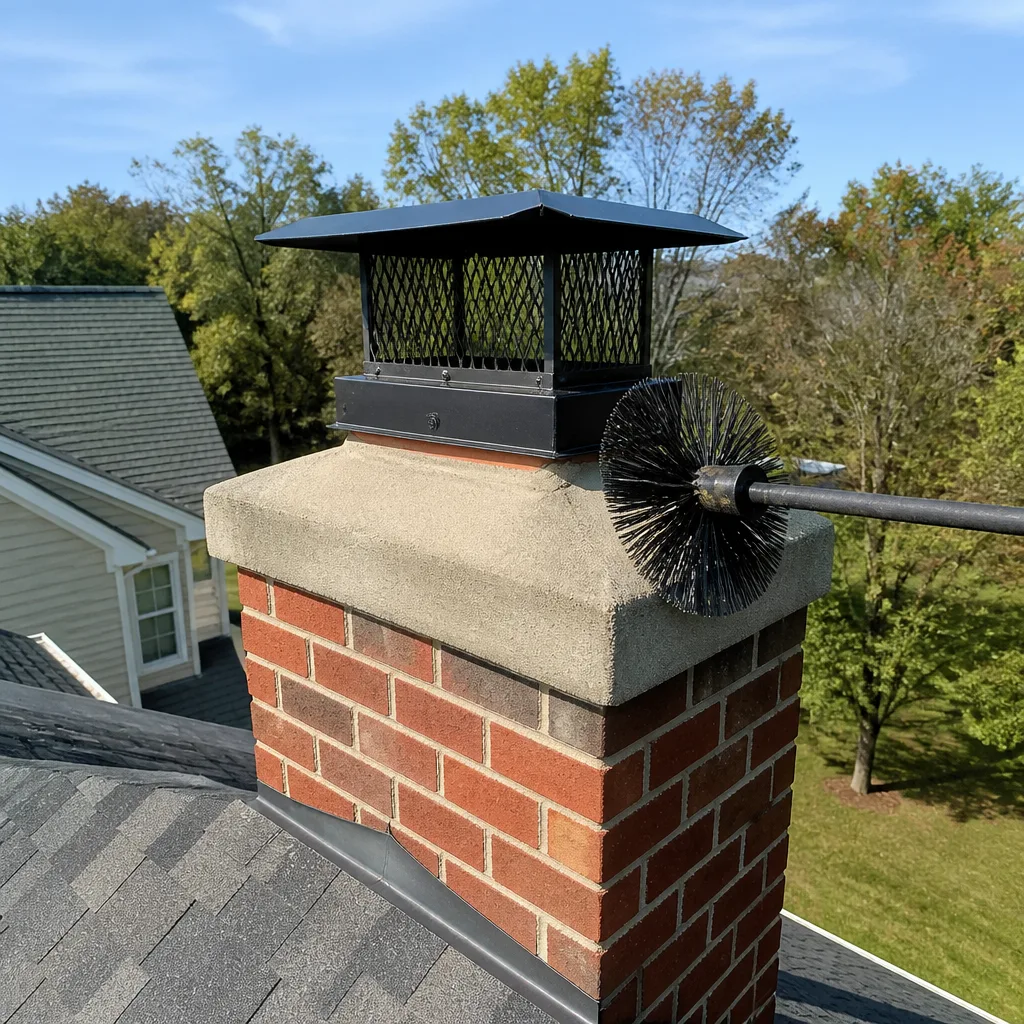 Sweep & inspection
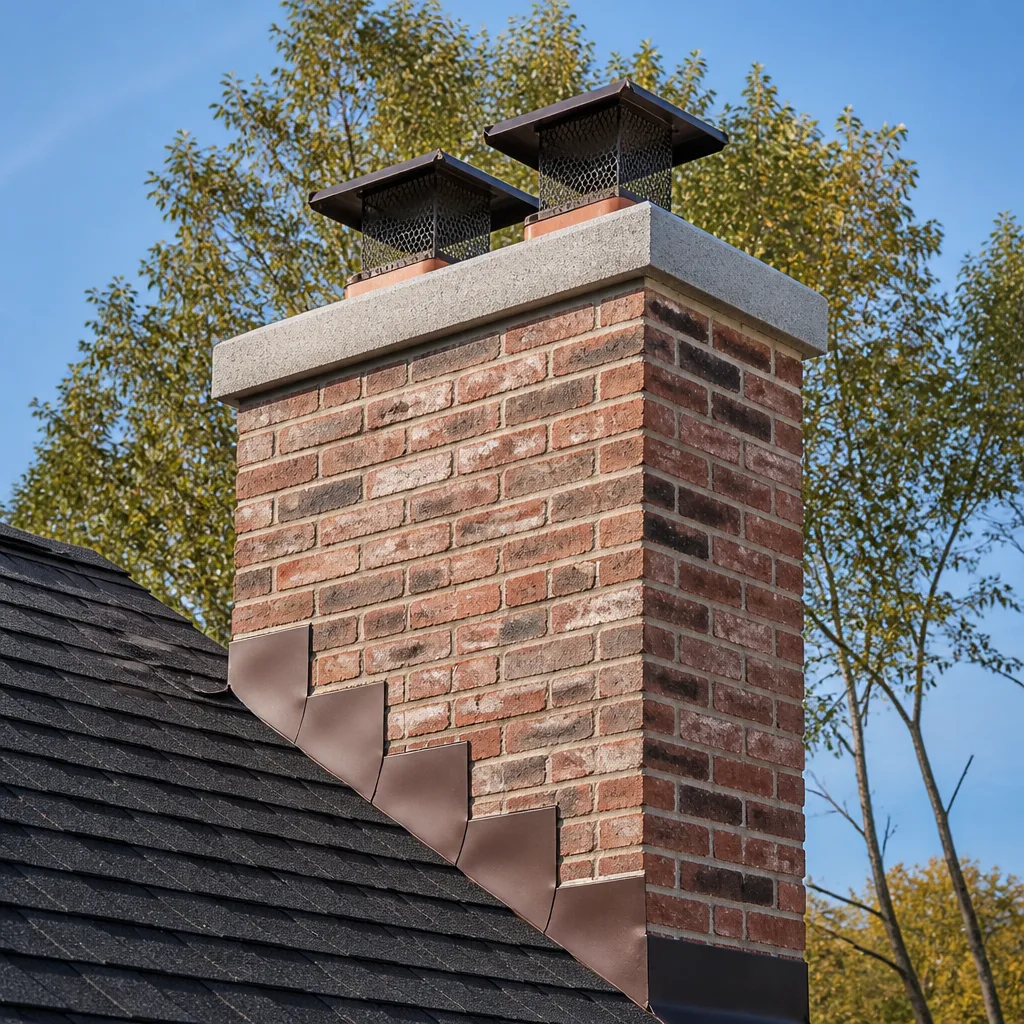 Caps & crowns
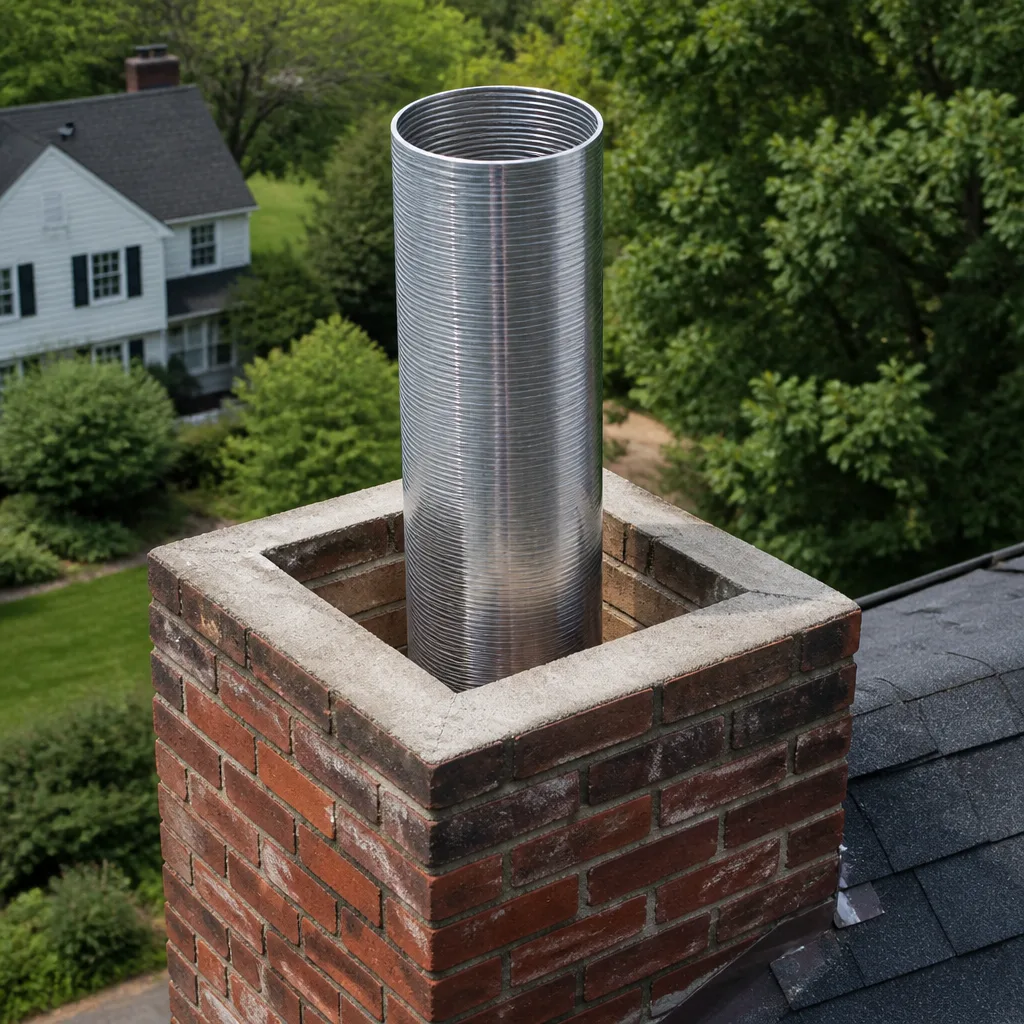 Flue relining
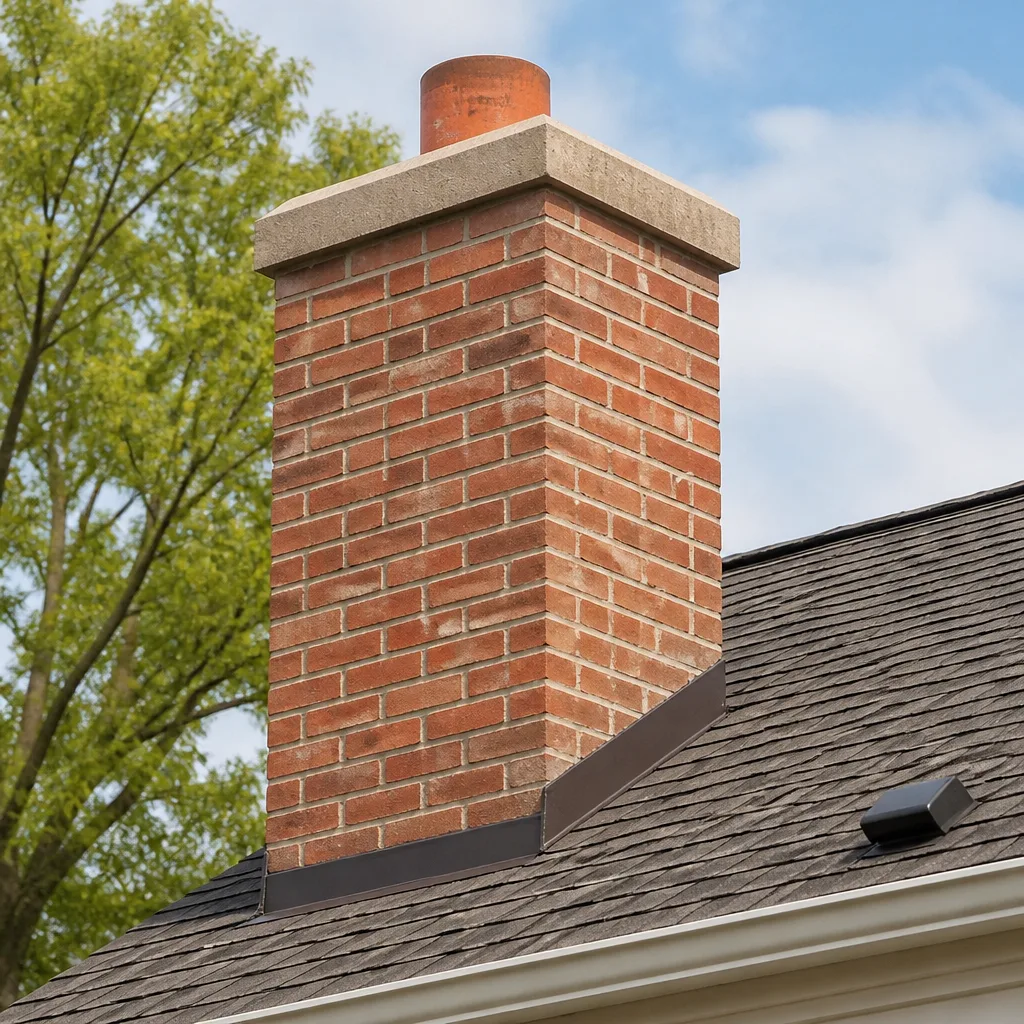 Masonry repair
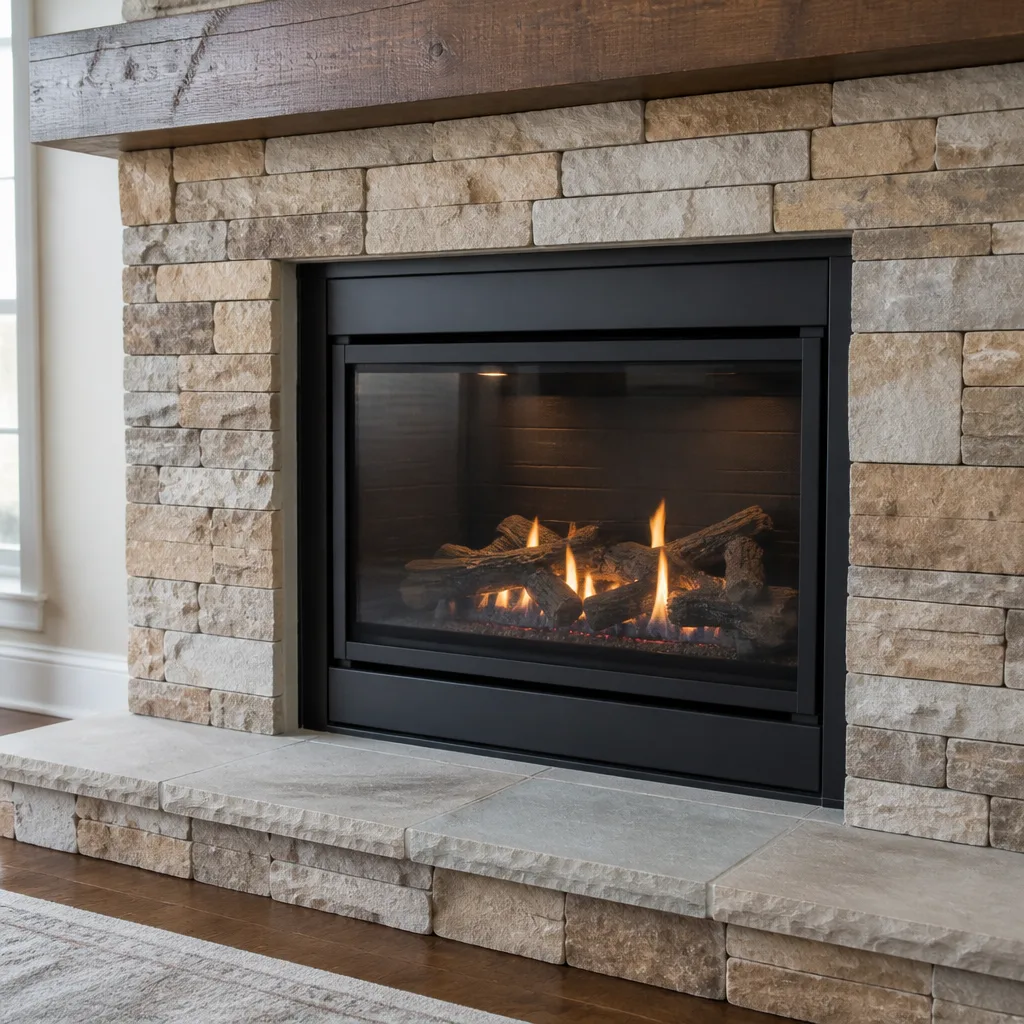 Gas fireplace service
Level 1 sweep and inspection to the NFPA 211 annual standard - flue, crown, cap, and flashing checked and photographed
Chimney sweep logs do not sweep chimneys. They loosen some creosote - which then falls where a brush and vacuum still have to collect it.
Chimney Sweep Maintenance Schedule: What to Do and When
If your fireplace gets used fewer than 25 times a year, the standard “once-a-year sweep” advice was written for Vermont, not the Rio Grande Valley. Most chimney care guidance assumes a homeowner burning wood daily from October to April, and that assumption breaks down here. A McAllen homeowner who lights fifteen fires a season and a winter visitor whose house sits empty for months have completely different maintenance needs, and neither one fits the annual-sweep calendar. What matters more than a date on the wall is how often you burn, what condition the flue is in, and how the materials age in this climate. This guide lays out a maintenance schedule built for how people actually live and burn in McAllen, with the checks you can do yourself and the ones that need a trained eye.
Styles & brands we work with
- Sweep & inspection
- Caps & crowns
- Flue relining
- Masonry repair
- Gas fireplace service
Quick Answer
The right chimney maintenance schedule in McAllen depends on usage, not the calendar: get an inspection before your first fire of the season and every year you burn, sweep when creosote buildup or a blockage is found, and visually check the exterior, cap, and damper on a regular schedule through the humid summer and after spring storms. Idle chimneys and rarely used fireplaces still need an annual inspection because animal nests, moisture, and cracked liners happen whether or not you burn. Build the schedule around inspection intervals and material lifespan, then let the inspection findings tell you when a sweep is actually needed.
Table of Contents
- Why a McAllen Maintenance Schedule Is Different
- Usage-Based Service Triggers: 15 Fires a Season vs. an Idle Chimney
- A Month-by-Month Checklist for the South Texas Climate
- Component Lifespan: What Wears Out and When
- Ground-Level Checks You Can Do vs. What Needs a Camera
- How to Keep a Maintenance Log That Works for You
- Don’t Forget the Dryer Vent
- Common Mistakes to Avoid
- When to Call a Professional
- Frequently Asked Questions
Why a McAllen Maintenance Schedule Is Different
Chimney maintenance advice is usually written for cold climates where the fireplace runs constantly for six months. McAllen doesn’t work that way. Winters here are mild, so most households burn a handful of times a season at most, and some years they barely burn at all. That changes the math on how fast creosote accumulates, but it doesn’t make maintenance optional. It shifts the emphasis from frequent sweeping to regular inspection and to watching how the structure holds up through heat and humidity.
Two climate factors shape the schedule. First, the long, humid summer means moisture works on masonry, mortar, and metal components for months when the fireplace is sitting idle. Second, spring storm season brings wind-driven rain and debris that can find its way past a loose cap or a cracked crown. Neither of those shows up on a “sweep once a year” calendar, but both matter for a chimney in McAllen.
Here’s what that means in practice:
- Inspect before you burn, every season you burn. The inspection catches problems that built up during the idle months.
- Sweep based on findings, not a fixed date. Light use means less creosote, so a sweep every single year may be unnecessary, but the inspection tells you for certain.
- Watch the exterior through summer. Humidity and storms do more to masonry and caps here than a cold climate’s freeze does.
- Treat an unused chimney as still in service. Nests, moisture, and settling happen whether you light a fire or not.
The goal is a schedule that matches your actual burning habits and the real conditions in McAllen, not a rule copied from a colder place.
Usage-Based Service Triggers: 15 Fires a Season vs. an Idle Chimney
The single most useful thing you can do is classify your own usage. A fireplace lit fifteen times a season, a gas insert running weekly in winter, and a chimney in a house that sits empty most of the year each need a different plan. Matching the schedule to how you actually use the chimney keeps you from over-servicing one season and missing the checks that matter the next.
Light use (roughly 10-20 fires a season)
- Annual inspection before the first fire of the season.
- Sweep only when the inspection finds meaningful creosote or a blockage.
- Exterior and cap check before and after the storm season.
- Keep a log so each season’s inspection has a baseline to compare against.
Moderate to regular use (weekly burns through the cooler months)
- Annual inspection before the season, same as light use.
- Sweep on the inspector’s recommendation, which may be more frequent given steady accumulation.
- Check the damper and cap operation as part of the visit.
- Watch for any change in draft, smell, or smoke behavior and report it.
Idle or seasonal-occupancy chimney
- Annual inspection even with no fires at all. Animal activity, moisture intrusion, and liner condition don’t pause because the house is empty.
- Cap and crown check is more important here, since a loosened cap goes unnoticed for months.
- Have the flue checked before the next burn season if the home has sat idle through a humid summer.
A gas insert or a vented appliance follows the same principle. The appliance burns differently than wood, but the venting still needs inspection on a regular interval, and the components involved, some of which come from brands like Olympia Chimney or Copperfield, have their own service life. When in doubt, the inspection is what tells you whether a sweep is warranted. That’s the core of our approach at Chimney Sweep McAllen: we look first, then recommend only what the evidence supports.
A Month-by-Month Checklist for the South Texas Climate
A calendar is only useful if it maps to the seasons that actually affect your chimney here. The South Texas cycle runs from a short burn season through a long, humid summer and a storm season that can loosen caps and drive rain into places it shouldn’t go. Here’s how the year breaks down for a McAllen home.
Late summer through early fall: before the first fire
- Schedule the pre-season inspection so findings are known before you need the fireplace.
- Check the firebox and damper from inside, looking for debris, nests, or a damper that no longer seats properly.
- Confirm the cap is secure and the spark arrestor screen isn’t torn or blocked.
- Look at the exterior crown and mortar joints for cracks or crumbling from the ground with binoculars.
- Note any changes from last season in your log before the technician arrives.
Winter burn season: while you’re using it
- Keep an eye on draft and smoke behavior. A change is a signal.
- Empty ash regularly and keep the firebox clear of excess buildup.
- Note how many times you actually burn, since that count drives next season’s recommendation.
Late spring and summer: peak humidity
- This is when moisture does its quiet work on mortar and metal. Check the crown and cap for deterioration.
- Confirm no birds or animals have moved into an unused flue.
- Watch for stains or musty smells near the fireplace that could point to moisture intrusion.
After storm season
- Walk the exterior and look for a shifted cap, loose flashing, or new cracks.
- Clear any debris that has collected on the cap or in the firebox.
- If anything looks off, get it inspected rather than waiting for fall.
The point of breaking the year into segments is that each one catches something the others miss. A resident of McAllen who only thinks about the chimney in December is missing the summer and storm checks that protect the structure between burns.
Component Lifespan: What Wears Out and When
Every component of a chimney ages on its own timeline, and knowing roughly when each one needs attention helps you plan instead of react. Lifespan depends on material, exposure, and how well the structure has been maintained, so treat these as planning guides that an inspection confirms or corrects.
| Component | What to Watch | Typical Attention Window |
|---|---|---|
| Mortar crown | Cracks, crumbling, water pooling on top | Inspect yearly; repair when cracks widen or the crown no longer sheds water |
| Rain cap and spark arrestor | Loose fit, torn screen, rust, wind damage | Check yearly and after storms; replace when the fit or screen fails |
| Damper | Won’t seal, sticks, rusts | Check every season; repair or replace when it no longer closes cleanly |
| Flue liner | Cracks, gaps, spalling, poor draft | Inspect yearly with a camera; resurface or reline when damage is found |
| Masonry and mortar joints | Crumbling joints, stains, efflorescence | Inspect yearly; repoint as joints deteriorate |
When a liner starts to fail, the repair doesn’t automatically mean a full replacement. HeatShield resurfacing can restore a deteriorating flue liner from the inside, which is a cost-significant alternative to full relining that most sweep-only operations can’t offer. For flues that do need relining, or that have irregular interiors or outdated clay tile systems, a DuraFlex flexible liner is the industry standard because it’s built for the flue you actually have, not the perfect one. Choosing professional-grade materials with a known service life makes future maintenance predictable. That’s why we name the brands we install, whether that’s HeatShield and DuraFlex or components from Famco and Gelco, because you deserve to know what’s in your chimney and when to expect it to need attention again.
Ground-Level Checks You Can Do vs. What Needs a Camera
You can safely do a lot of useful watching from the ground and from inside the room. What you can’t do safely is climb onto the roof or reach up into the flue. Knowing the line between the two keeps you safe and keeps the important findings in the hands of someone trained to catch them.
Checks a homeowner can do safely
- Look at the chimney from the ground with binoculars for cracks in the crown or missing mortar.
- Confirm the cap is present and the screen isn’t torn or blocked.
- Open and close the damper from inside and note how it feels.
- Watch smoke and draft behavior during a fire.
- Check for stains, musty smells, or debris near the fireplace opening.
- Look for any birds or animals around the top of the chimney.
What requires a trained professional
- Getting on the roof. Height work on a steep or aging roof is a genuine fall risk and is best left to someone equipped for it.
- Inspecting the inside of the flue. A camera inspection sees cracks, gaps, and creosote condition that no ground-level check can reveal.
- Sweeping. Proper sweeping of a flue with built-up creosote calls for the right tools and technique.
- Evaluating the liner. Only an internal camera view tells you whether a liner is sound or failing.
Our technicians have up to 12 years of experience with camera inspections and the structural work that follows, and we show homeowners the evidence rather than asking them to take our word for it. Nothing gets recommended without a camera view you can see for yourself. When you schedule a chimney sweep, the inspection is part of the visit, and the findings are what shape the recommendation.
How to Keep a Maintenance Log That Works for You
A simple maintenance log does two jobs: it makes each technician visit faster because the history is right there, and it creates a record you can show your insurer if a claim ever comes up. You don’t need anything fancy. A notebook or a spreadsheet works fine, as long as you keep it current and store it where you can find it.
Record these details after each season and each service visit:
- Date and type of service. Inspection, sweep, repair, dryer vent cleaning, or a check you did yourself.
- Usage count. Roughly how many fires you burned since the last entry.
- What was found. Any creosote level noted, liner condition, cap and crown status, damper operation.
- What was done. Repairs, resurfacing, parts replaced, and which materials were used.
- What was recommended and deferred. Items flagged for next time so nothing gets forgotten.
- Your own observations. Changes in draft, smell, or smoke that you noticed between visits.
Naming the materials used matters here. If a liner was resurfaced with HeatShield or a component from Copperfield was replaced, writing it down gives you a materials record, which is exactly what a future technician or an insurer wants to see. A log like this turns a vague memory into a documented history, and it makes each visit in McAllen more efficient because the technician starts with context instead of a blank slate.
Don’t Forget the Dryer Vent
A chimney maintenance schedule that ignores the dryer vent is only half a fire-safety plan. Lint accumulates in the vent line the same way creosote accumulates in a flue, and both are fuel sitting in a confined space. We treat dryer vent cleaning with the same seriousness as chimney work because it’s the same category of risk: a venting system that needs to be kept clear to stay safe.
Add it to the same schedule you use for the chimney:
- Have the dryer vent inspected and cleaned on a regular interval, sooner if loads take longer to dry or the dryer feels hot.
- Check the exterior vent flap to confirm it opens and closes freely.
- Watch for lint collecting behind the dryer or around the vent opening.
- If you can’t remember the last cleaning, that’s your signal to book one.
Handling chimney sweep, liner repair, and dryer vent cleaning under one crew means you’re not coordinating multiple contractors for connected exhaust and ventilation systems. One call, one crew, no handoffs.
Common Mistakes to Avoid
- Following a cold-climate sweep calendar. Sweeping every single year on a schedule built for heavy wood burning can mean over-servicing a lightly used fireplace, while the checks that actually matter here get skipped. Let the inspection decide when a sweep is due.
- Assuming an idle chimney needs nothing. Nests, moisture, and liner damage happen in a McAllen home that never lights a fire. Skip the inspection and the first sign of trouble is often a smell or a draft problem.
- Ignoring the summer and storm checks. Cracks in the crown, loosened caps, and moisture intrusion show up in the humid months, not during the burn season. Check the exterior through summer and after storms.
- Climbing on the roof to “take a look.” Height work on an aging roof is a real fall risk. Use binoculars from the ground and leave the roof to a professional.
- Accepting a repair recommendation without seeing the evidence. A camera inspection should show you what’s wrong, not just tell you. If you can’t see it, ask to.
- Letting the dryer vent slide. Lint buildup is a fire risk that gets forgotten because it’s out of sight. Put it on the same schedule as the chimney.
- Skipping the log. Without a record, each visit starts from scratch and you have nothing to show an insurer. A few notes after each season make future visits faster and safer.
When to Call a Professional
Some findings call for a trained professional rather than a wait-and-see. Call when you smell smoke in the room with the damper open, when you see cracked or crumbling mortar on the exterior, when the damper no longer seals, when draft has weakened, when you notice moisture or staining near the fireplace, or when it’s simply been a season since your last inspection. Any of those point to something a camera inspection should confirm. The same goes for the dryer vent: if loads take longer to dry, book a cleaning. Chimney Sweep McAllen offers free estimates in McAllen, and the written estimate sets the final price, so you know where you stand before any work begins. Reach us at (866) 566-0403. We answer 24/7. Fast dispatch from 7am to 7pm, Sunday through Friday.
Frequently Asked Questions
There’s no fixed number of months that fits every home here. Sweep when an inspection finds meaningful creosote buildup or a blockage, which for a lightly used fireplace may be less than once a year and for regular winter burning may be more often. Get an inspection before each burn season and let the findings set the sweep interval. Call (866) 566-0403 for an exact quote, and estimates are free.
Yes. An idle or rarely used chimney still needs an annual inspection because animal nests, moisture, and liner cracks happen whether or not you burn. A McAllen home that sits empty most of the year is actually more prone to a loosened cap going unnoticed. Book the inspection even in a year you don’t burn.
We price by the job, and the free written estimate sets the final price before any work starts. Cost depends on the condition found during inspection, whether creosote requires more than a standard sweep, and whether any repair is needed. Call (866) 566-0403 for an exact quote, and estimates are free.
Resurfacing with HeatShield can restore a deteriorating flue liner without full replacement, and for many damaged liners that’s the right call. Full relining with a DuraFlex flexible liner is for flues that resurfacing can’t fix, including cracked clay tile systems and irregular interiors. The camera inspection is what decides between the two, and we show you the evidence before recommending either.
Skipped maintenance lets creosote build up and lets small problems, like a cracked crown or a failing liner, turn into bigger ones. It also means animal nests and moisture go unnoticed through the humid McAllen summer. None of that is a reason to panic, but it is a reason to book an inspection so you know what condition the chimney is in. Call (866) 566-0403 to schedule, and estimates are free.
Yes. Lint buildup in a dryer vent is a fire risk in the same category as creosote, so we treat dryer vent cleaning as a fire-safety service, not an afterthought. Add it to the same yearly schedule so both exhaust systems get checked together. Call (866) 566-0403 for an exact quote, and estimates are free.
The Bottom Line
The best chimney maintenance schedule for a McAllen home is built around inspection intervals and material lifespan, not a calendar imported from a cold climate. Inspect before every burn season, sweep when the findings call for it, check the exterior through the humid summer and after storms, and treat an idle chimney as still in service. Know the difference between the ground-level checks you can safely do and the camera inspections that need a trained professional. Keep a log of what was found and which materials were used. Then let a free estimate show you exactly what your chimney needs and what it can safely wait on. Call (866) 566-0403. We answer 24/7. Fast dispatch from 7am to 7pm, Sunday through Friday.
Written by the team at Chimney Sweep McAllen.
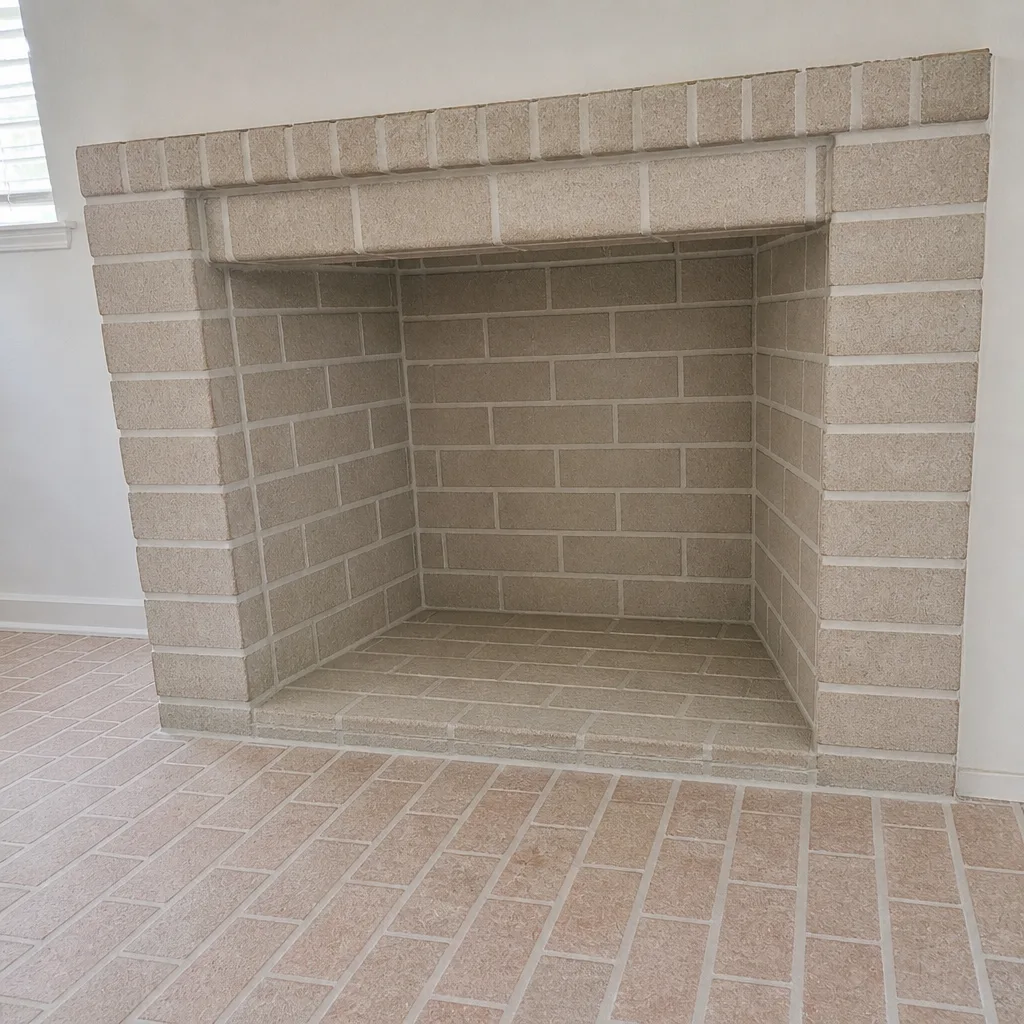
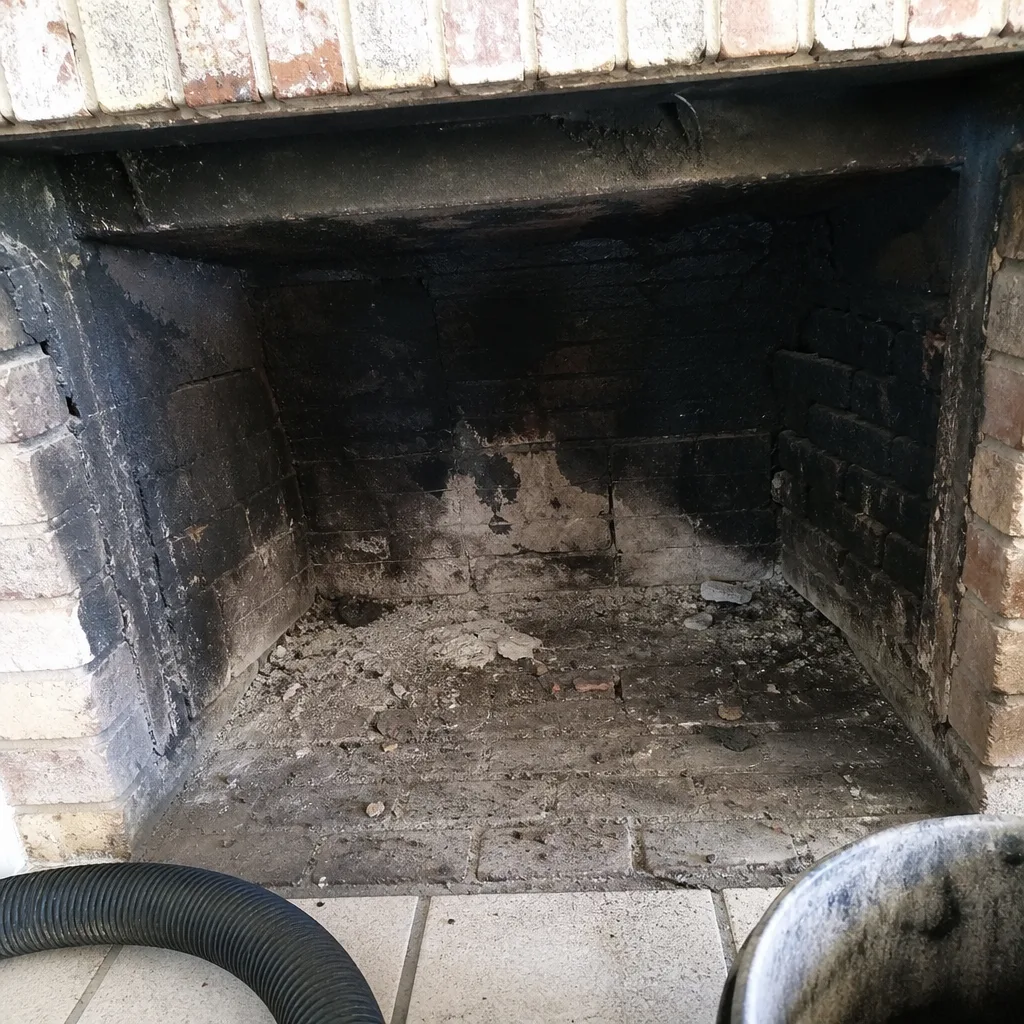
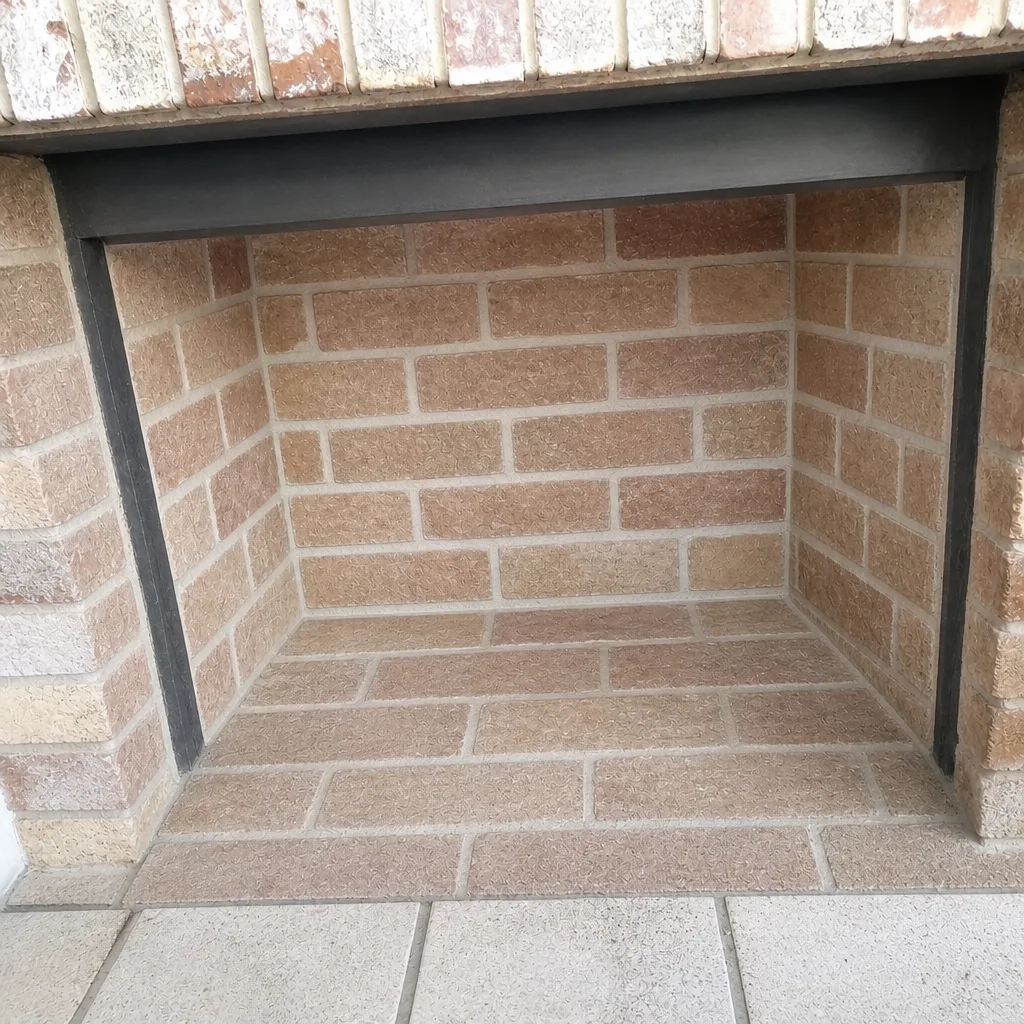
See the difference
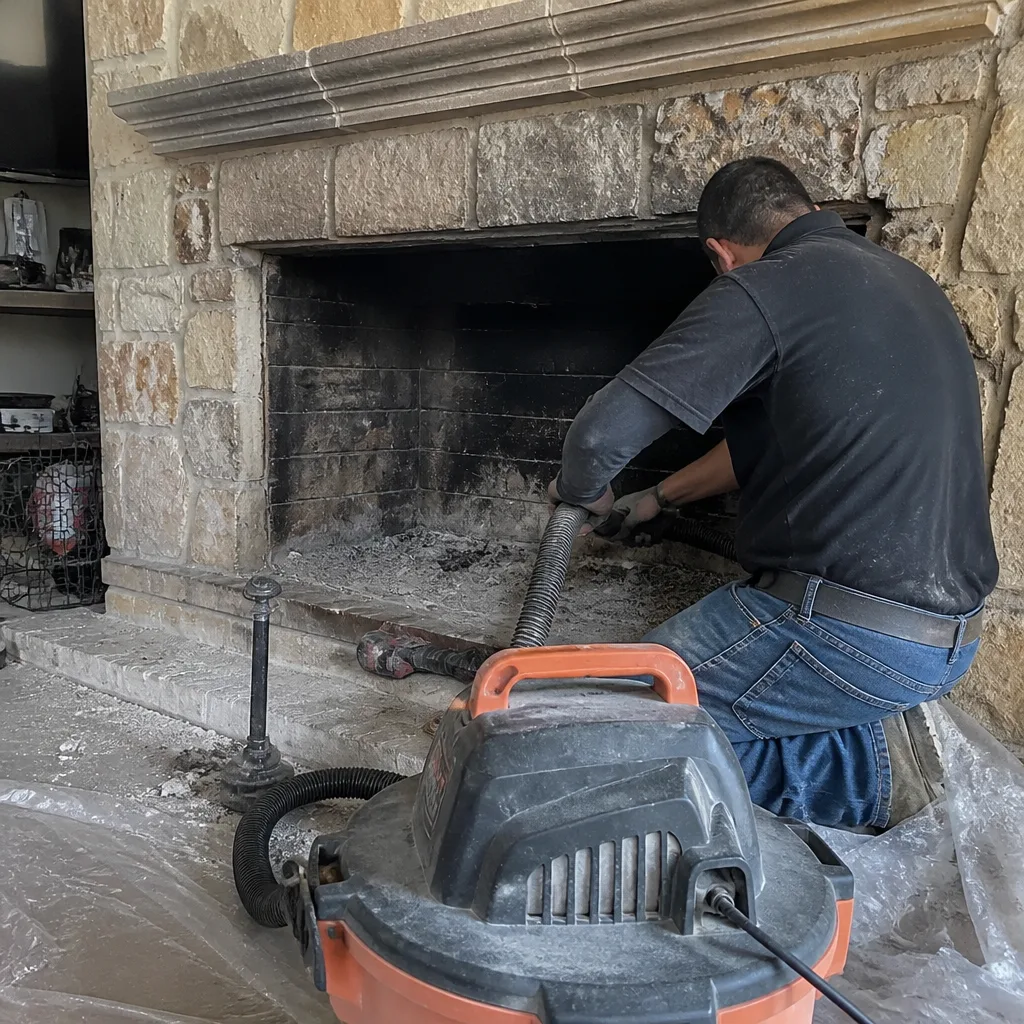 Before
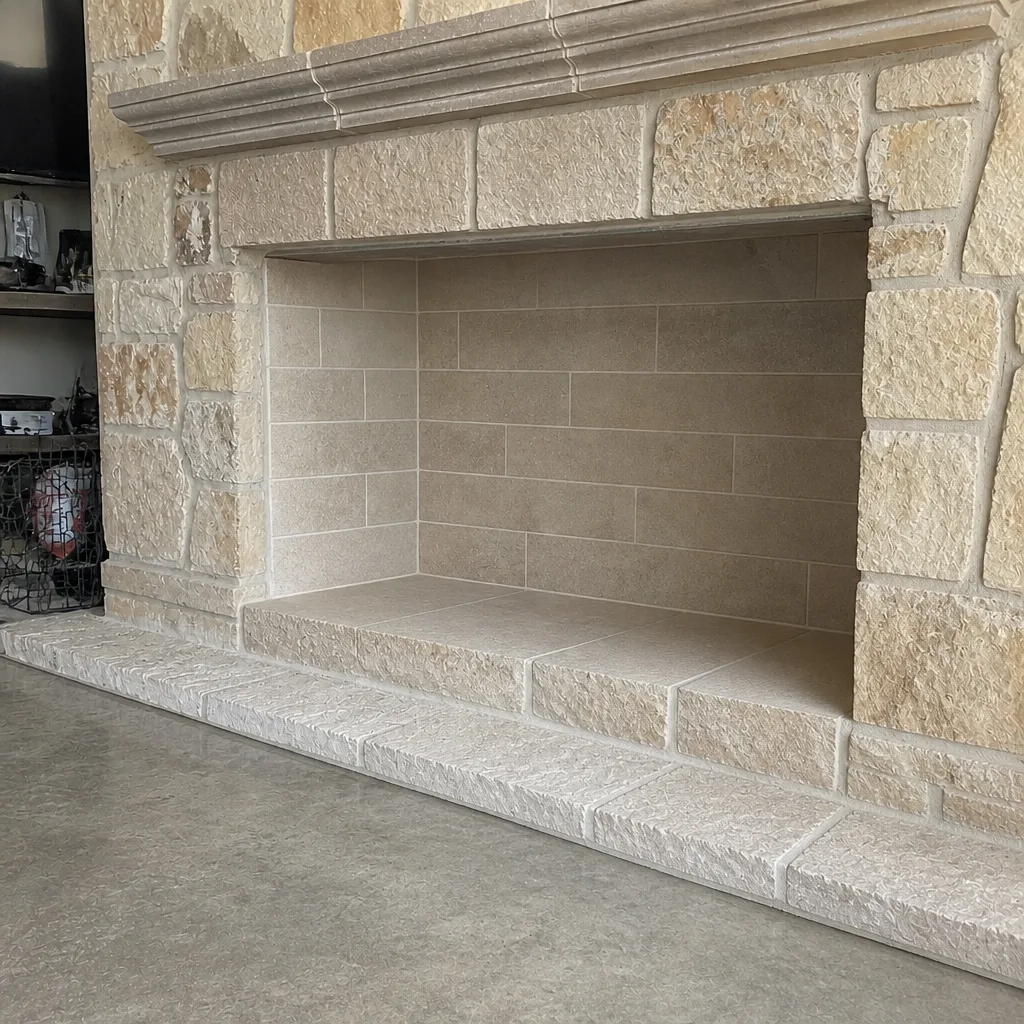 After
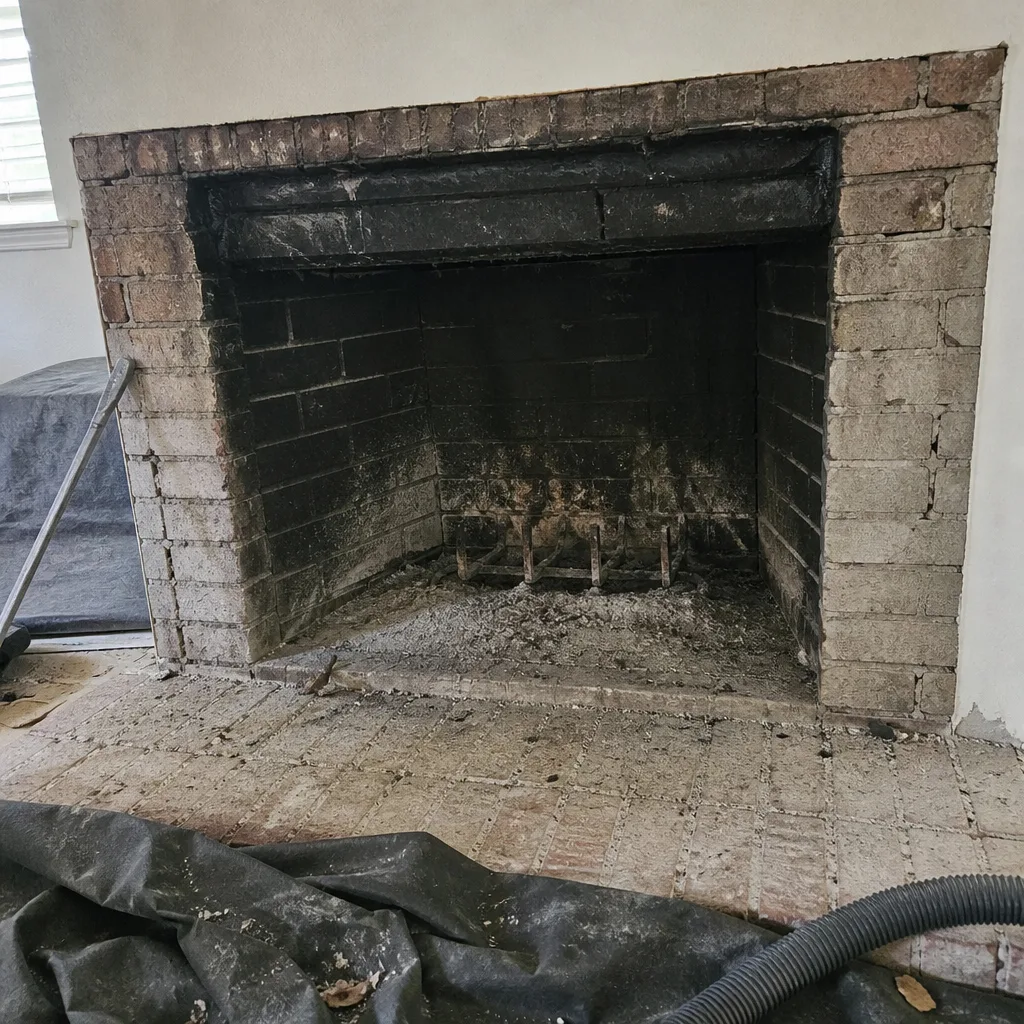 Before
 After
 Before
 After