
Last updated November 14, 2026
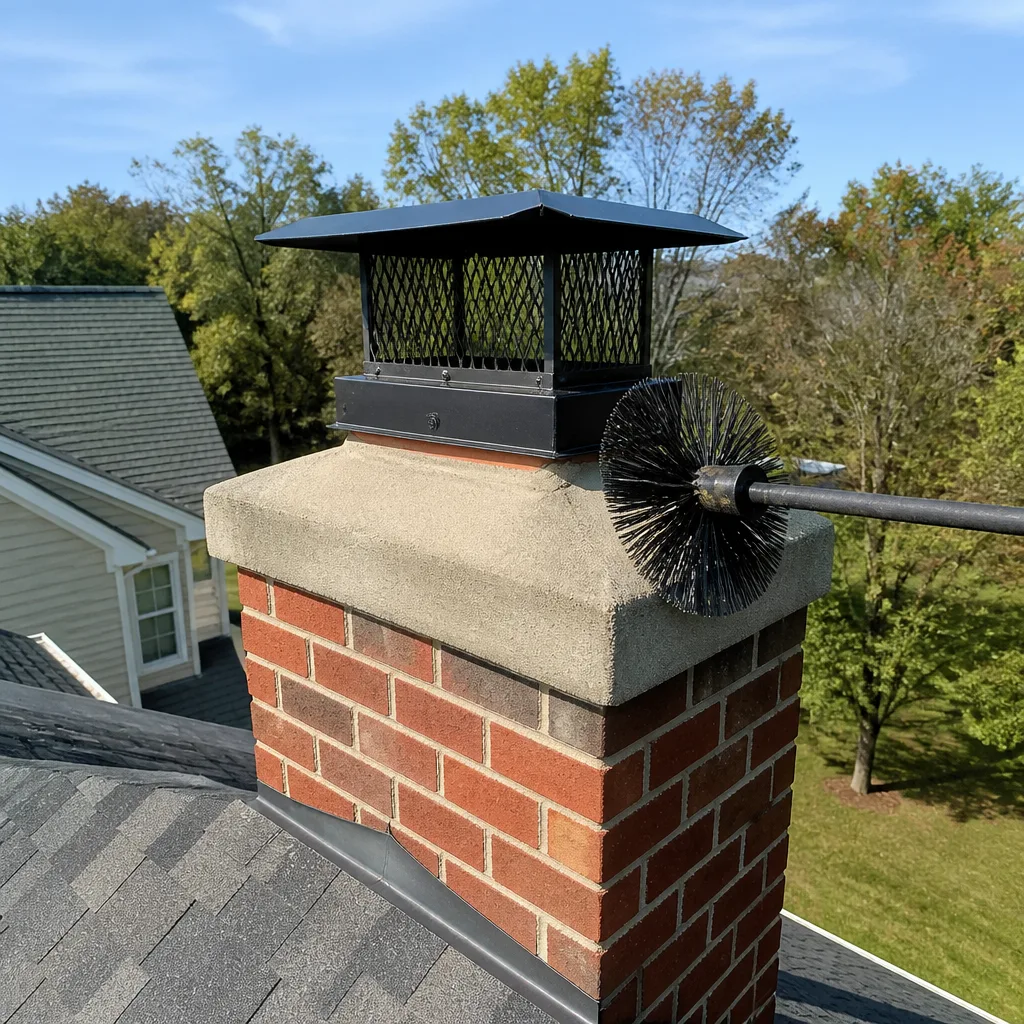 Sweep & inspection
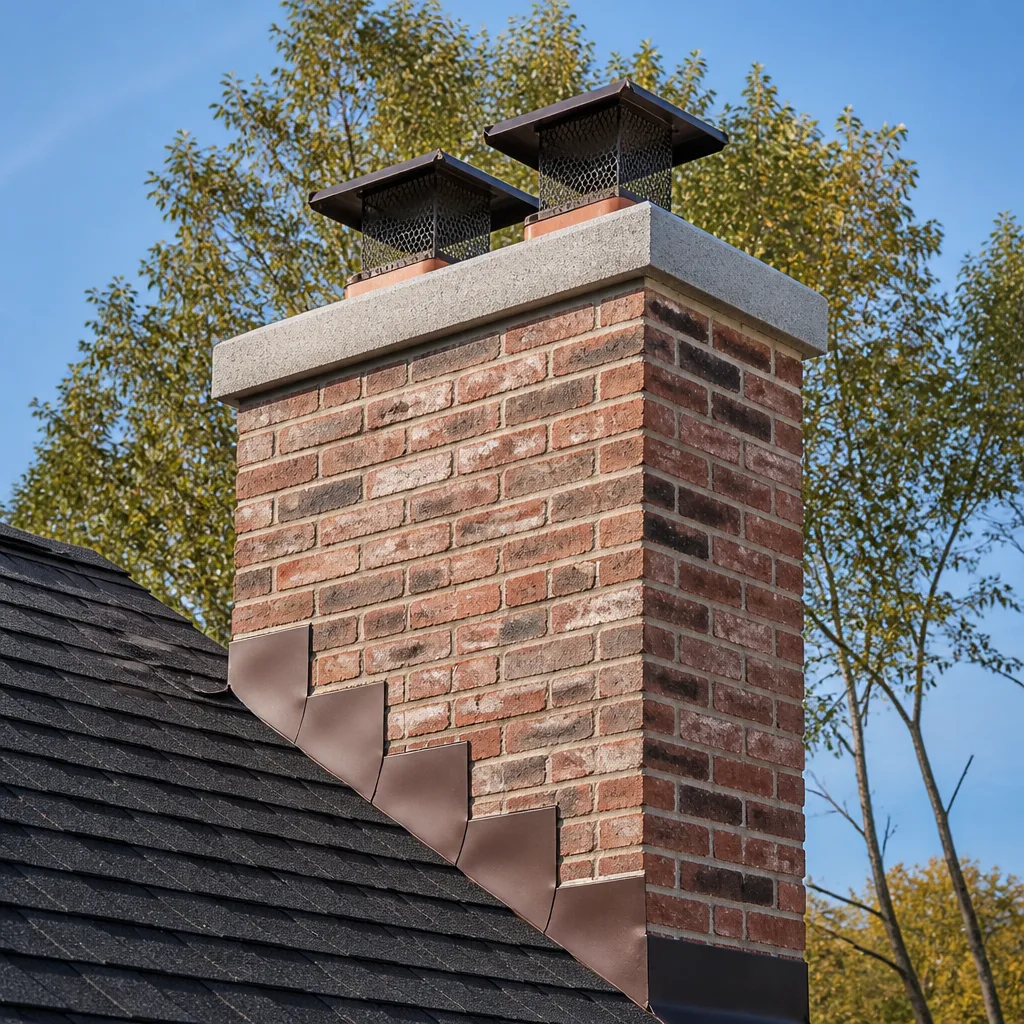 Caps & crowns
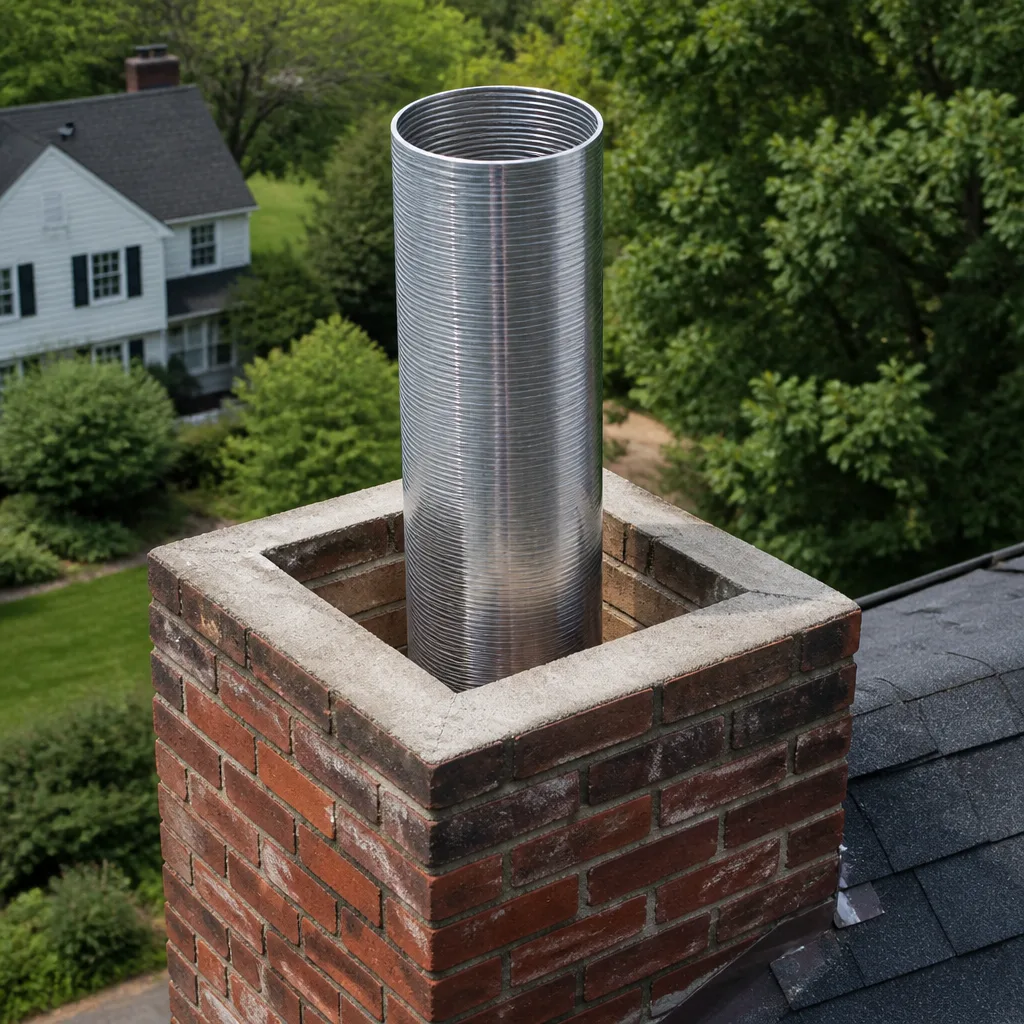 Flue relining
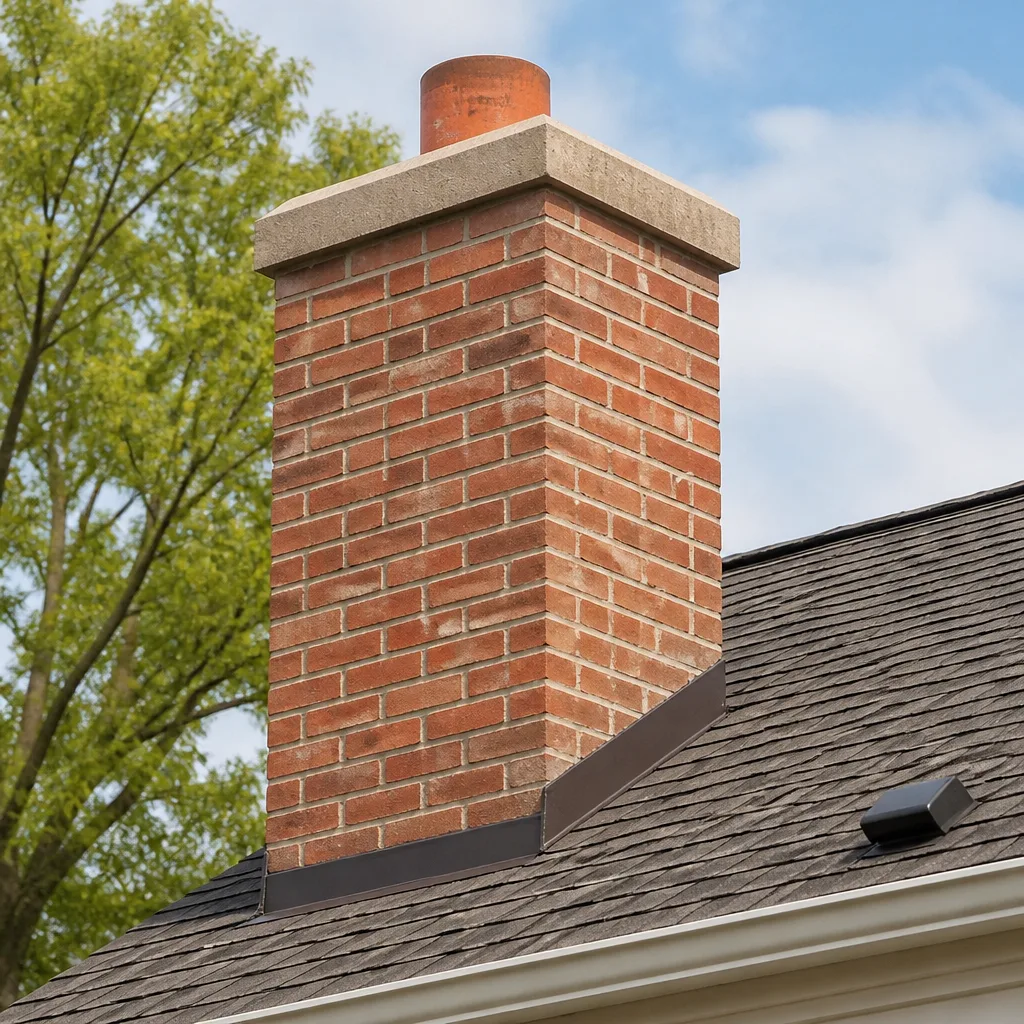 Masonry repair
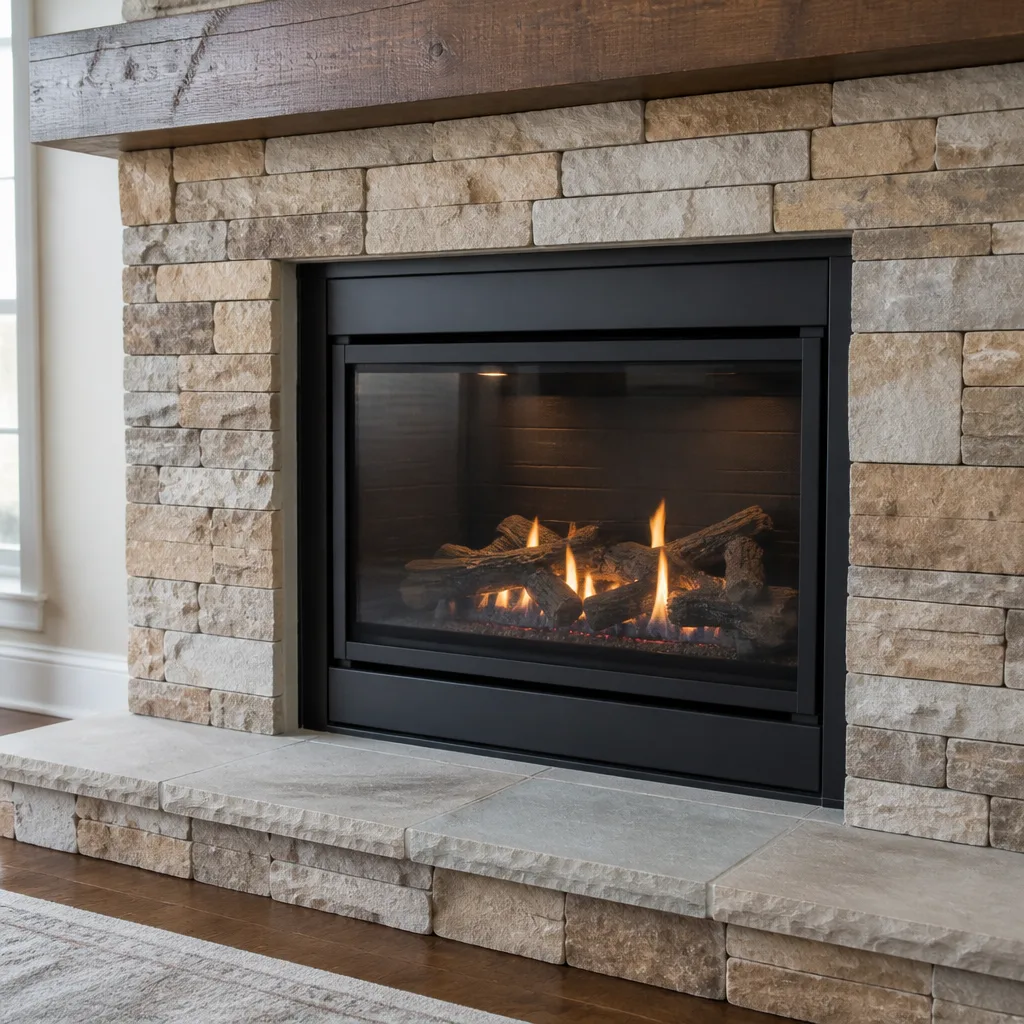 Gas fireplace service
Level 1 sweep and inspection to the NFPA 211 annual standard - flue, crown, cap, and flashing checked and photographed
Chimney sweep logs do not sweep chimneys. They loosen some creosote - which then falls where a brush and vacuum still have to collect it.
The Complete Guide to Chimney Cleaning in McAllen
Most chimney guides assume you burn wood six months a year. That’s not McAllen. Here, a fireplace gets used maybe 30 nights – a cold snap in January, a few December evenings, the odd cool front that rolls down the Valley and disappears by noon. You’d think light use means light maintenance. It’s the opposite. Short, irregular burn seasons in South Texas build creosote in a different pattern than a northern winter does, and that pattern is often harder on a flue liner, not easier. This guide maps what actually accumulates in a McAllen chimney, why it happens here, and what a thorough cleaning should address – from creosote stages to pest intrusion to humidity-damaged mortar. You’ll learn what a real cleaning covers, what a Level 1 inspection checks, and where the line sits between “cleaned” and “certified safe.”
Quick Answer
Chimney cleaning in McAllen means removing creosote, soot, and debris from the flue, firebox, and smoke chamber, then inspecting the liner and chimney structure for damage. Because the Valley’s burn season is short and irregular, creosote here often builds in glazed Stage 2 and Stage 3 layers rather than soft Stage 1 soot, and humidity-driven mortar deterioration plus bird and wasp nests add to the cleaning scope. A proper cleaning ends with a Level 1 inspection and a written report so you know your chimney’s actual condition.
Styles & brands we work with
- Sweep & inspection
- Caps & crowns
- Flue relining
- Masonry repair
- Gas fireplace service
Table of Contents
- Why McAllen’s Short Burn Season Builds Creosote Differently
- Birds, Wasps, and What Else Gets Into a Valley Chimney
- The Tools and Brush Sizes a McAllen Chimney Actually Needs
- Humidity, Mortar, and What Cleaning Reveals
- What a Level 1 Inspection Checks – and What It Doesn’t
- What a Full Chimney Cleaning Looks Like, Step by Step
- How Often Should You Schedule a Chimney Sweep in McAllen?
- What Does Chimney Cleaning Cost in McAllen?
Why McAllen’s Short Burn Season Builds Creosote Differently
Creosote forms when wood smoke cools before it exits the flue. In a cold northern climate, the chimney stays cold, the fire burns hot and long, and creosote tends to build steadily and predictably through the season. In McAllen, the pattern is almost reversed. Mild winters mean most homeowners light a fire only on the handful of nights cool enough to justify it. The fire gets a cold start, the flue warms slowly, and then the burn ends before the flue has fully heated through. That cycle – short hot burns followed by long idle stretches – is a recipe for condensation inside the pipe.
Chimney professionals classify deposits into three stages:
- Stage 1 is flaky, soot-like creosote. It brushes off easily and is what most people picture when they think of chimney buildup.
- Stage 2 is denser and harder – a tar-like crust that clings to the flue wall and needs more than a light brushing to break loose.
- Stage 3 is glazed, hardened creosote. It looks almost like a shiny coating and is the most flammable grade, the one most closely associated with chimney fires.
Here’s the part that surprises McAllen homeowners: light, occasional burning skips Stage 1 and goes straight toward Stage 2 and Stage 3. When you burn infrequently, each fire starts cold, the smoke cools quickly, and the condensation that forms carries unburned tar and resins that bake onto the flue wall on the next fire. Add the humidity that hangs in the Valley most of the year and those deposits stay damp longer, clinging to the liner instead of flaking away. When we sweep a McAllen chimney that’s only been used a dozen times over two winters, the deposit on the flue wall is frequently denser than what we’d expect from a home that burns steadily all season up north. That’s why “I barely use my fireplace” is not a reason to skip cleaning here – it’s often the reason cleaning matters more.
Birds, Wasps, and What Else Gets Into a Valley Chimney
A chimney is a warm, dry, vertical cavity, and to local wildlife in the Rio Grande Valley it looks like prime real estate. When a McAllen flue sits idle through a long warm spell, birds, wasps, and the occasional squirrel treat it as open shelter. The cleaning scope for a Valley chimney therefore goes well beyond creosote.
What we typically find and clear:
- Bird nests – swallows and other species build in the flue or on the smoke shelf. Nesting material is highly combustible, and a nest perched above a firebox creates a real fire risk the next time you light a fire.
- Paper wasps and mud daubers – common around the Valley and fond of chimney caps and the damper area. Hornets and yellow jackets turn up too, especially in a flue that’s been closed up since last winter.
- Leaves, twigs, and nesting debris – even without active occupants, the material birds and rodents leave behind can clog the flue and restrict proper venting.
- Downdraft debris on the smoke shelf – the shelf is a ledge just above the damper where falling material collects. It’s easy to overlook without a proper sweep.
Pest intrusion is also a strong argument for a chimney cap. A quality cap keeps birds and wasps out while still letting exhaust escape, and it’s one of the simplest upgrades a McAllen home can make. When we find nest material, we clear it fully before any fire is relit – and we recommend booking a cleaning before the first cool night rather than after, since that’s when occupants are most likely to already be settled in. If you hear scratching or fluttering in the flue, or see birds circling the chimney top, treat that as a prompt for a cleaning and inspection, not something to put off until the next cold front.
The Tools and Brush Sizes a McAllen Chimney Actually Needs
The right brush is matched to the flue’s actual dimensions, and a brush that’s too small leaves creosote on the walls while one that’s too large can crack clay tile. McAllen’s residential housing stock includes a mix of traditional masonry fireplaces and newer metal fireplaces with prefabricated flues, and each takes a different approach. In our experience, the most common configurations we encounter are:
- Standard masonry fireplaces – typically clay tile liners in the common residential flue sizes found in Valley homes, swept with a correctly sized polypropylene brush that’s firm enough to remove Stage 2 deposits without gouging the tile.
- Metal, factory-built fireplaces and inserts – these use stainless liners, often smaller in diameter, and need a softer, precisely sized brush so the liner isn’t scratched or dented.
- Irregular or damaged flues – where the clay tile is cracked or missing mortar joints, the interior isn’t a clean cylinder, and the accumulation is uneven. This is where a flexible liner system like HeatShield resurfacing or a DuraFlex liner can matter, because the chimney needs restoring, not just sweeping.
The working kit for a real cleaning includes more than a brush. We use drop cloths and a sealed vacuum to keep soot out of the living space, rods that let the brush follow the flue’s length, a firebox scraper, and a mirror or camera to inspect above the damper. For irregular flues we reach for the same professional-grade components we install elsewhere – Olympia Chimney and Famco components, and Gelco venting – because the materials on a chimney job need to match the conditions the flue actually has. A brush sized by guesswork is a common reason a cheap sweep looks clean and still isn’t.
Humidity, Mortar, and What Cleaning Reveals
The Rio Grande Valley’s humidity is a year-round fact of life, and masonry chimneys absorb it. Mortar joints that hold clay tile liners in place can soften, crack, and crumble over time as moisture moves in and out, and the first place technicians often spot that damage is during a cleaning, when the brush loosens deposits and reveals the joints underneath. This is where “cleaned” and “safe” start to separate.
What we look for and document during that stage:
- Spalling or crumbling mortar at the flue joints and crown.
- Cracked or shifted clay tile, which can allow heat or gases to escape the liner.
- Missing or deteriorated mortar joints that leave gaps between tiles.
- Crown and flashing condition, since those are the entry points for the water that drives the damage in the first place.
Here’s our approach to what happens next. Cleaning reveals the condition, and documentation shows you exactly what we saw – usually in the form of photos or a clear description of each joint. From there we separate two things: cosmetic issues that can safely wait, and structural problems that need attention before the fireplace is used again. That distinction is at the center of our HeatShield resurfacing work. HeatShield is a proprietary chimney resurfacing system applied by trained technicians, and it can restore a deteriorating flue liner without a full liner replacement – a cost-significant middle path that a sweep-only operation can’t offer. If the flue is irregular enough that resurfacing won’t hold, we’ll talk through options including DuraFlex flexible liner systems, which are the industry standard for relining irregular or aging flues. Nothing gets recommended without evidence you can see. And when work can safely wait, we say so.
What a Level 1 Inspection Checks – and What It Doesn’t
The National Fire Protection Association and the Chimney Safety Institute of America recognize three inspection levels, and the one that comes with a routine cleaning is the Level 1. Understanding what it covers is the difference between assuming you’re protected and knowing it.
A Level 1 inspection happens during and after the cleaning, with the chimney in its normal, everyday condition. It covers the readily accessible parts of the system: the firebox, the damper, the smoke chamber, the flue, the chimney exterior, the cap, and the visible flashing. Inspectors check for creosote buildup, blockage, cracks, deteriorating mortar, and anything that would compromise the chimney’s ability to vent safely. It’s the appropriate inspection when the appliance and venting haven’t changed and nothing unusual has happened.
What a Level 1 inspection does not do:
- It doesn’t cover concealed areas of the chimney that require opening walls or dismantling components.
- It doesn’t look at other venting systems in the house unless there’s a connected concern.
- It doesn’t include a camera run through every inch of a flue that isn’t accessible in the normal course of cleaning.
Levels 2 and 3 exist for situations that call for more – a change in the heating appliance or venting, a new home purchase, damage, or a fire. So when we hand over a cleaning report and say a chimney is “cleaned,” what we mean is the accessible system has been swept and inspected at Level 1, and any concerns are written down for you. Certified safe is a claim built on evidence, which is why we document what we find rather than simply declaring the job done. If you’re buying a home in McAllen or have recently replaced a firebox or insert, ask specifically about the inspection level, because a routine cleaning alone isn’t the same as a transaction-level inspection.
What a Full Chimney Cleaning Looks Like, Step by Step
A thorough chimney sweep follows a repeatable sequence, and knowing it helps you compare bids. The steps below are how a complete McAllen chimney cleaning should unfold:
- Set up protection. Drop cloths go down around the hearth, and a sealed vacuum is connected to keep soot and dust out of your living space.
- Inspect before sweeping. We check the firebox, damper, and visible flue first, so we know what we’re dealing with – including deposits, nests, or a partially closed damper – before the brush starts moving.
- Sweep the flue. A brush sized to the flue is run the full length, working from above and below as needed, breaking loose creosote and residue.
- Clean the firebox and smoke shelf. Soot and debris get cleared from the firebox, the smoke shelf, and around the damper.
- Clear blockages and pest debris. Nest material, leaves, and any dead insects come out fully.
- Inspect what the sweep revealed. This is the Level 1 inspection: flue walls, joints, crown, cap, and flashing, with notes and photos for anything notable.
- Report and recommend. You get a written summary of what was cleaned, what was found, and any work that needs attention – with a clear distinction between what should be addressed now and what can safely wait.
For gas inserts and vented appliances, add a check on the venting connections at the base and top of the flue. We also handle dryer vent cleaning with the same combustion-safety seriousness, because lint-clogged dryer vents are a fire hazard on par with a fouled chimney. Handling all three services – sweeping, repair, and dryer vent work – through the same trained team is why you don’t have to coordinate separate contractors for connected exhaust and ventilation systems.
How Often Should You Schedule a Chimney Sweep in McAllen?
The professional standard is to sweep when creosote reaches about 1/8 inch of buildup, and to have the chimney inspected annually regardless of how much you burn. For a McAllen home, “annually” is the key word. A chimney used 30 nights a year can still reach that 1/8-inch threshold because of the short, cold-start burn pattern described earlier, and an annual inspection is the only reliable way to know where your chimney stands. In our experience, homeowners who burn once or twice a week through the cool months, or who use a gas insert or vented appliance, are the ones most likely to benefit from an annual cleaning. If you book a sweep before the first cold front rather than after, you avoid the rush and give yourself time to address anything the inspection turns up. Here’s a simple rule: one part cleaning for every part inspection, every year, and never skip the inspection just because the cleaning seemed easy.
What Does Chimney Cleaning Cost in McAllen?
Chimney cleaning in McAllen is priced per job by a written estimate, so the most important thing is to get an itemized quote that names what’s included. Typical ranges for the work below should serve as a starting point for comparing bids – the written estimate sets the final price, and the figure depends on your flue type, access, and how much buildup or repair is involved.
| Service | What It Covers | Typical Range |
|---|---|---|
| Routine sweep and Level 1 inspection | Standard masonry or metal flue, creosote removal, firebox, visible inspection | Estimate per job |
| Heavy creosote / Stage 2-3 cleaning | Dense or glazed deposits, longer sweep time, pest debris removal | Estimate per job |
| Liner resurfacing (HeatShield) | Deteriorating flue liner restored without full replacement | Estimate per job |
| Liner replacement (DuraFlex) | Irregular or aging flue relined with a flexible stainless system | Estimate per job |
| Dryer vent cleaning | Lint removal and vent path clearing, fire-safety check | Estimate per job |
Price is driven by access and condition: a flue with easy rooftop access and light buildup is the simplest job, while an irregular clay tile liner, blocked cap, or heavy glazed creosote takes more time and the right components. We name the materials we install – HeatShield, DuraFlex, Olympia Chimney, Famco, Gelco – because you deserve to know what’s in your chimney, and a bid that specifies components is easier to compare than one that doesn’t. The estimate is free, so the number you get is the number you can plan around. Call (866) 566-0403, and we’ll give you a written estimate for your McAllen home.
Common Mistakes to Avoid
- Skipping cleaning because “we hardly use it.” In a McAllen climate, light and irregular burning is often what builds Stage 2 and Stage 3 creosote fastest. Low usage is a reason to schedule, not postpone.
- Assuming no fire means no risk. Bird nests, wasp nests, and debris can block a flue whether or not you’ve burned recently. A clogged flue is a hazard the next time anything fires up.
- Hiring a sweep who won’t size the brush to the flue. A brush guessed by eye can leave creosote on the walls or crack clay tile. Ask how the brush gets matched to your liner.
- Treating “cleaned” as “inspected.” A Level 1 inspection should follow every cleaning, with notes on the mortar, crown, cap, and joints. Confirm you’ll get a written report.
- Ignoring humidity-damaged mortar. The Valley’s moisture softens mortar joints over time. Spotting that while it’s still minor is far cheaper than a full liner replacement.
- Letting bids skip the materials. A quote that names DuraFlex, HeatShield, or another professional-grade brand is easier to trust and compare than one that lists no components at all.
- Forgetting the dryer vent. A congested dryer vent is a fire hazard that shares risk factors with a fouled chimney. Have it cleaned on a regular schedule too.
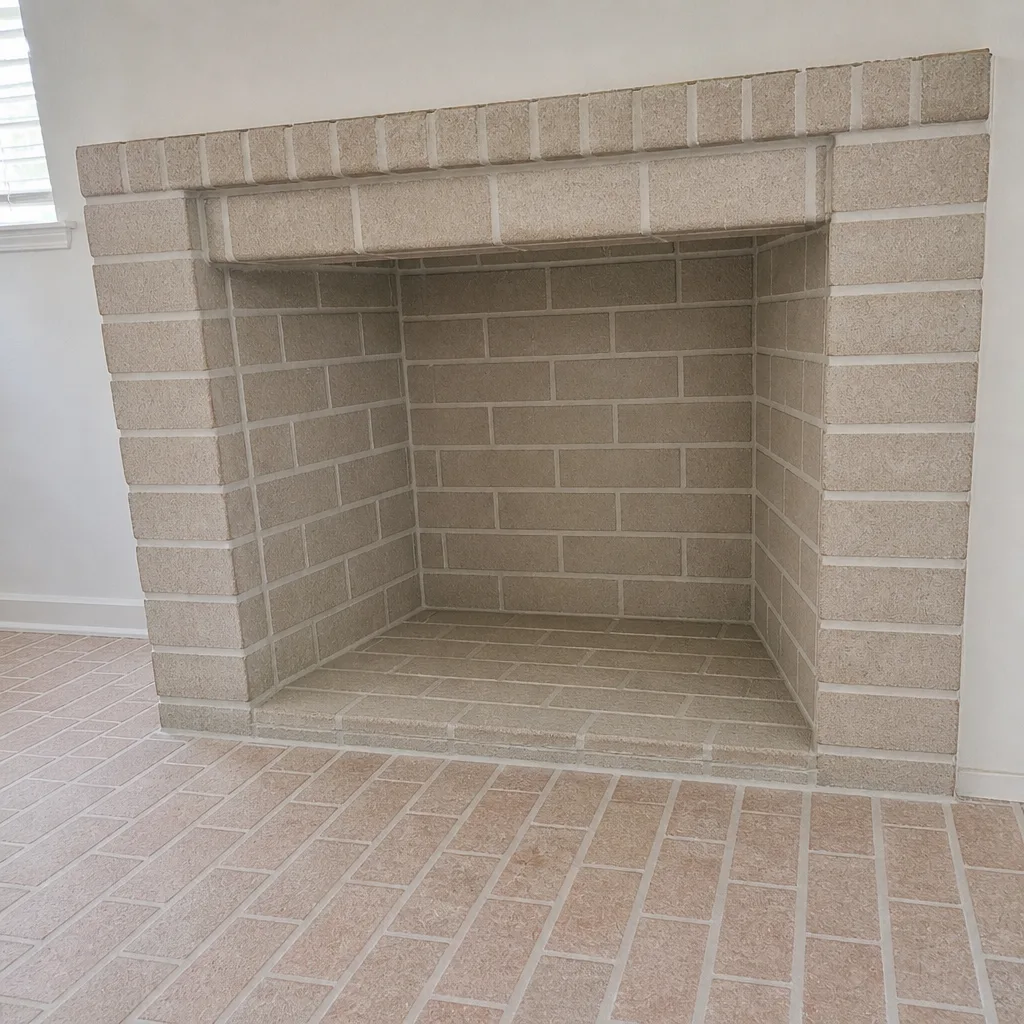
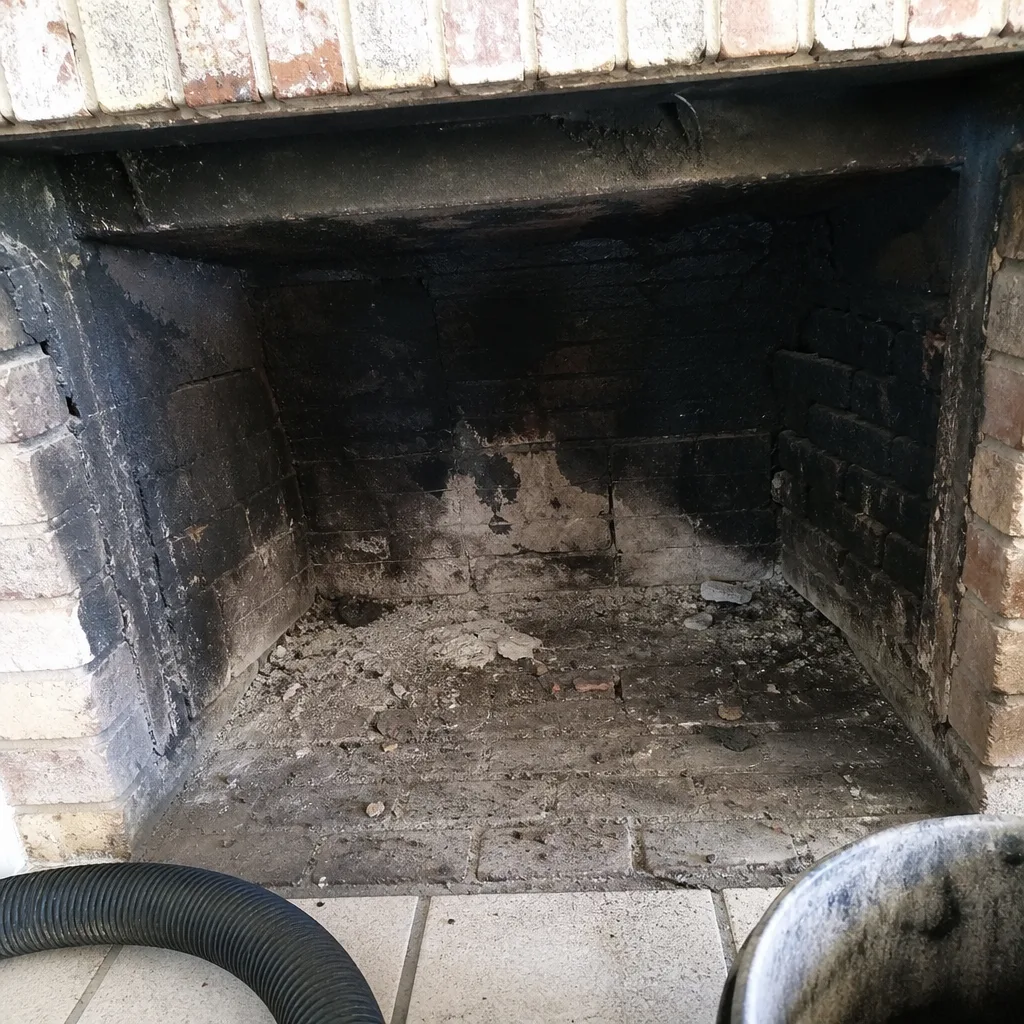
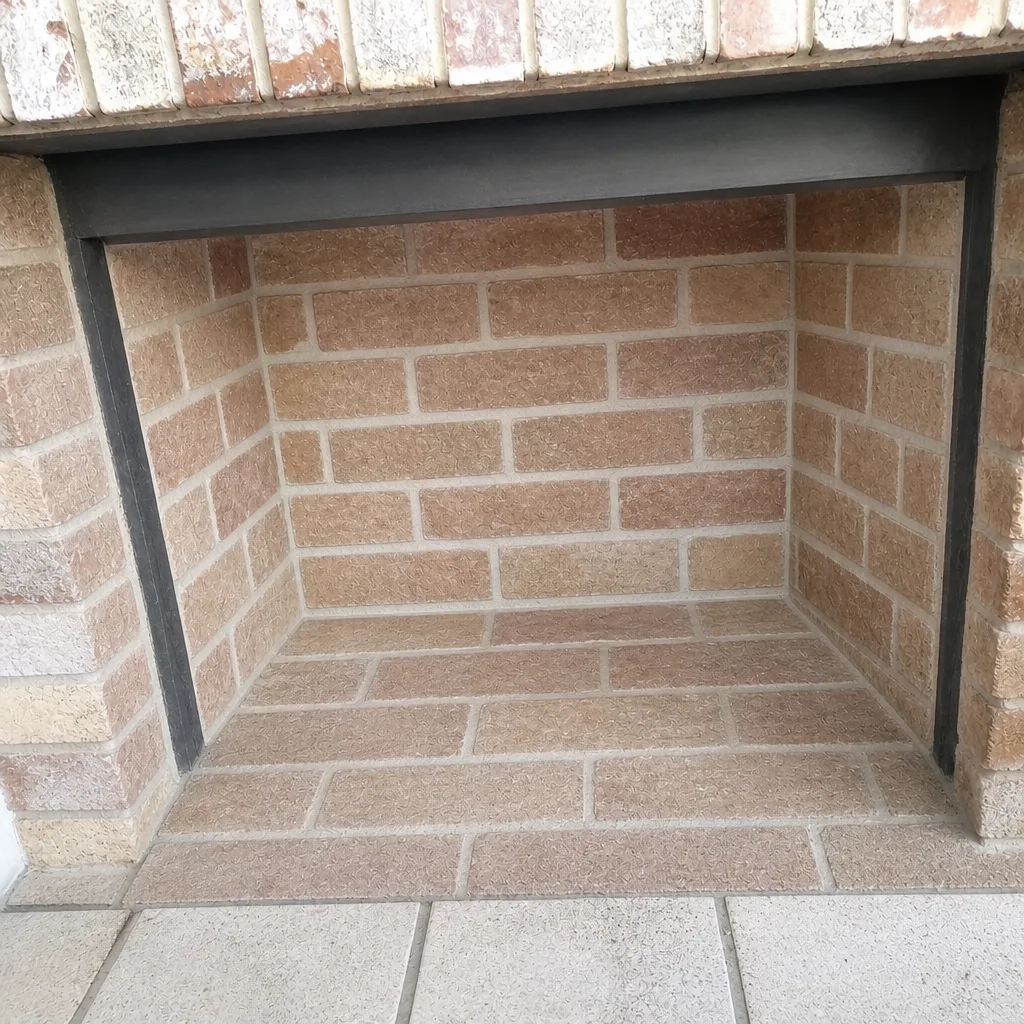
See the difference
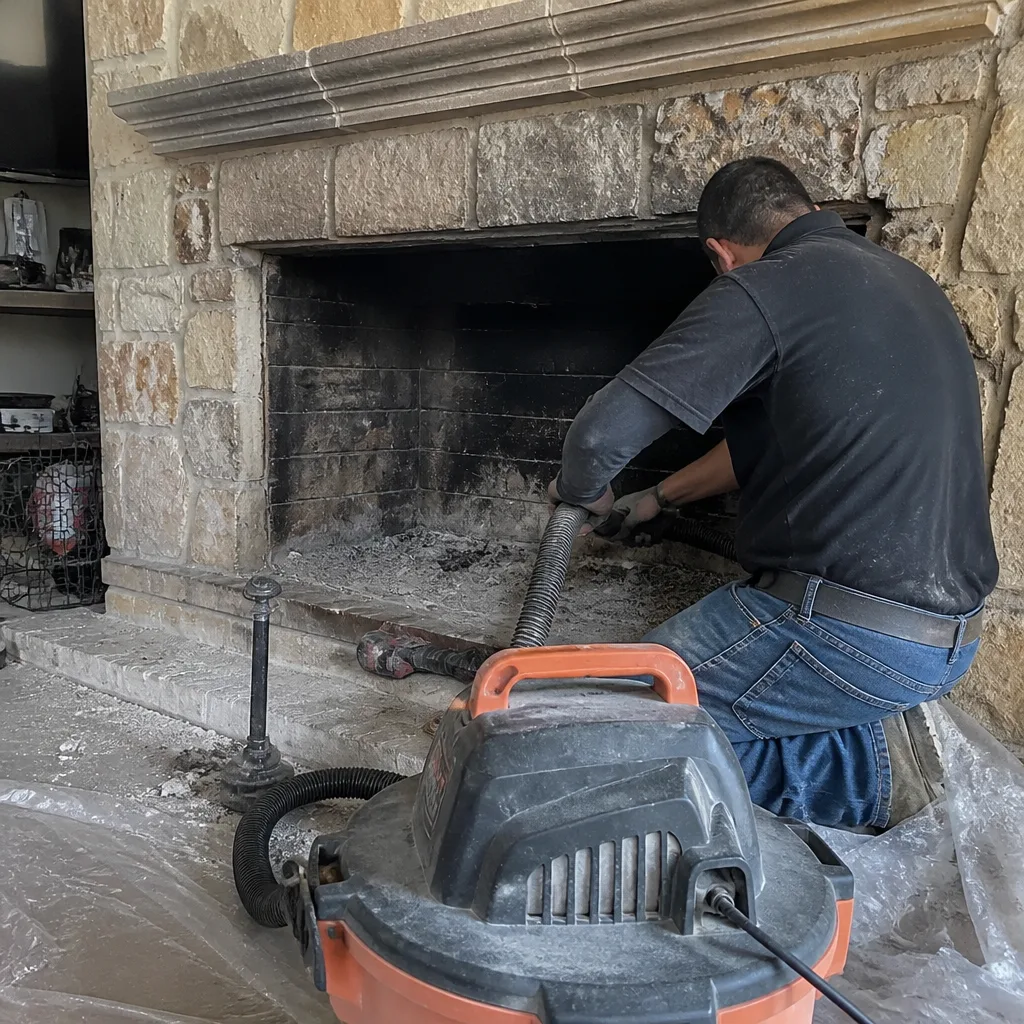 Before
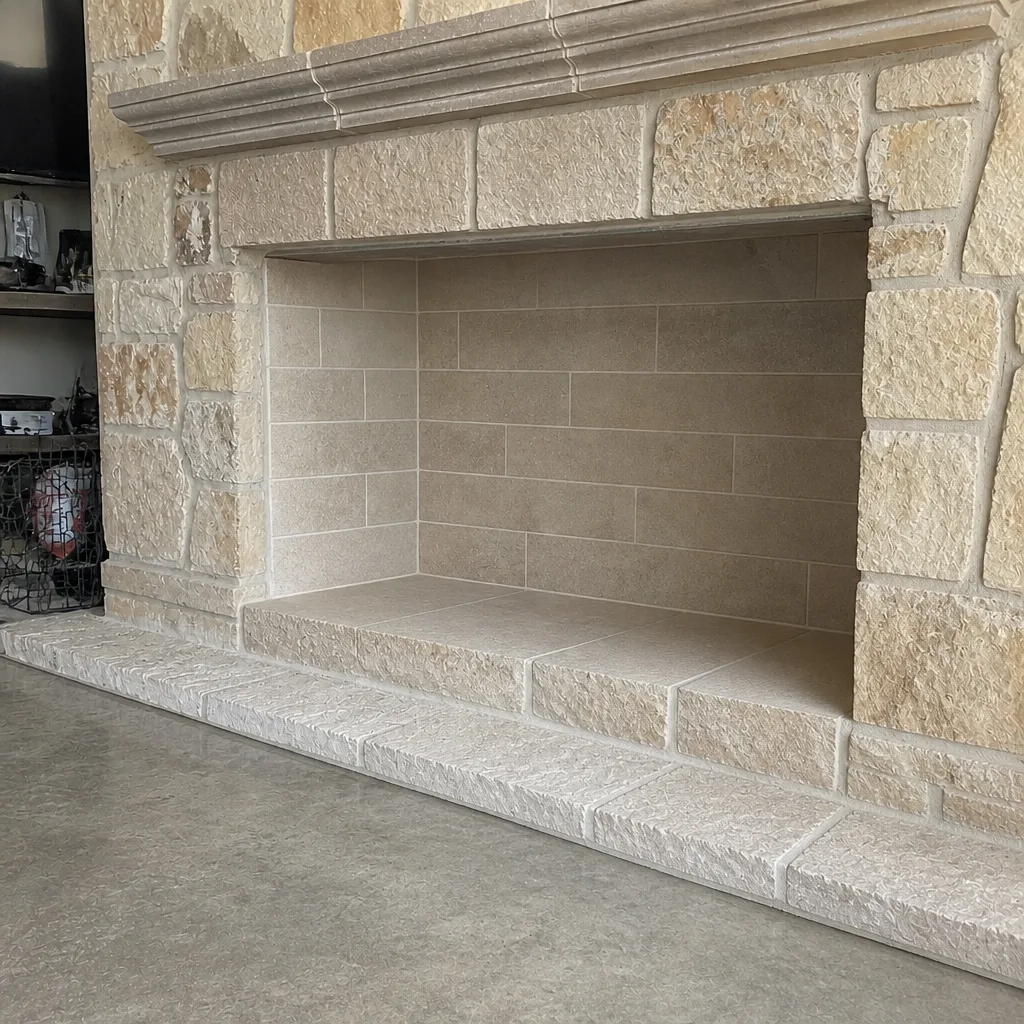 After
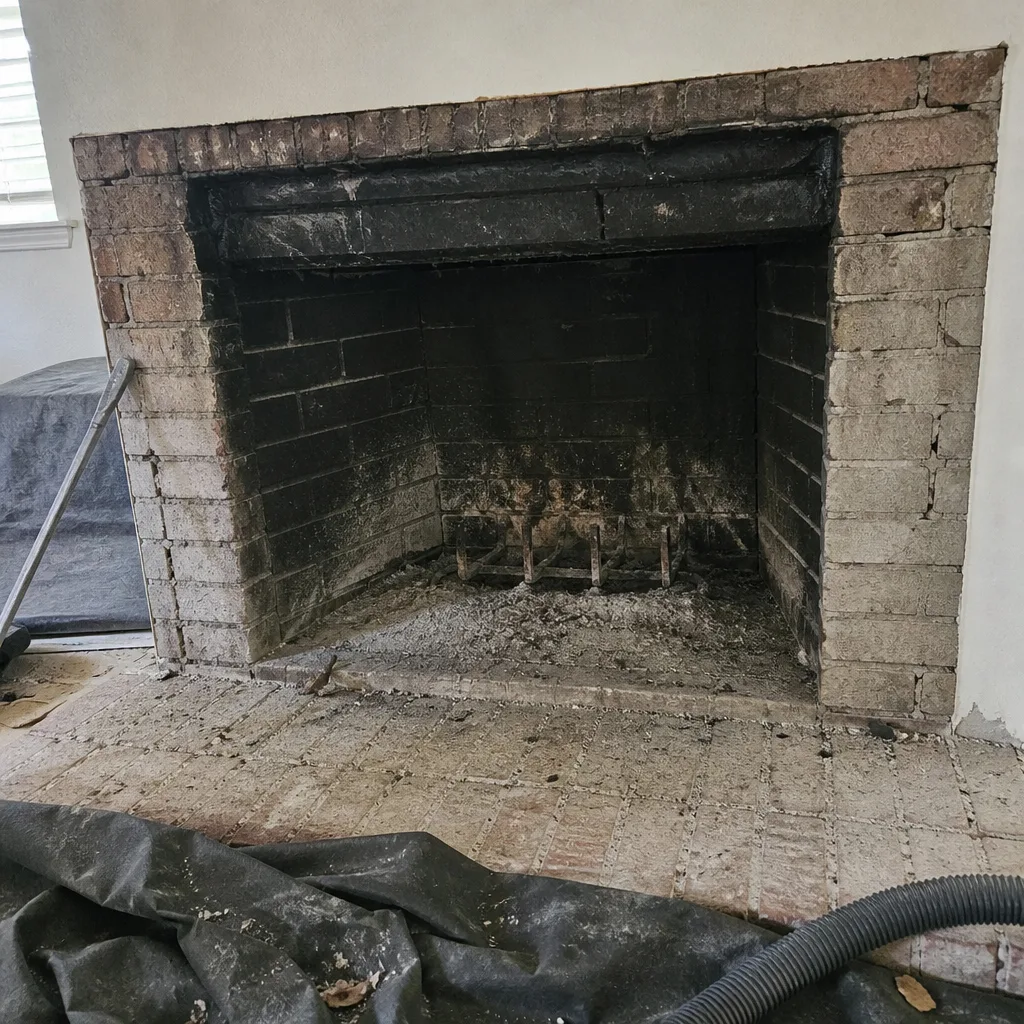 Before
 After
 Before
 After
When to Call a Professional
Call in a trained sweeper if you see flakes of creosote in the firebox, if you hear scratching or fluttering sounds coming from the flue, if the fire smokes heavily or the firebox smells of tar, if the damper is stiff or stuck, or if you notice crumbling mortar around the chimney exterior. Also call after a chimney fire – even a small one – and before using a fireplace you haven’t used since last winter. A full cleaning and a Level 1 inspection answer most worries in one visit. Chimney Sweep McAllen offers free estimates in McAllen – call (866) 566-0403. We answer 24/7, with fast dispatch from 7am to 7pm, Sunday through Friday.
Frequently Asked Questions
Chimney cleaning in McAllen is priced per job by a written estimate, so the range depends on your flue type, access, and the amount of buildup or repair involved. The estimate is free and itemized. Call (866) 566-0403 for an exact quote – estimates are free.
Not always. Many deteriorating flue liners can be restored with HeatShield resurfacing rather than replaced, which is a cost-significant alternative to a full liner replacement. A DuraFlex flexible liner is the standard solution when the flue is irregular or the clay tile is too far gone to resurface. We show you camera evidence before we recommend either. Call (866) 566-0403 to have your flue assessed – estimates are free.
The rule of thumb is once the creosote reaches about 1/8 inch of buildup, with an annual inspection no matter how often you burn. Because McAllen’s short, irregular burn seasons can build dense creosote quickly, an annual cleaning and inspection is the safe default. Call (866) 566-0403 to book your annual sweep – estimates are free.
Creosote builds in layers, and the denser Stage 2 and Stage 3 deposits are the most flammable grade – which is why a neglected flue raises chimney fire risk. Nest material, debris, and humidity-related mortar damage also go unnoticed without an inspection. Call (866) 566-0403 to schedule a cleaning and Level 1 inspection – estimates are free.
Yes, and it’s worth treating with the same combustion-safety seriousness as the chimney. Lint buildup in the vent is a fire hazard, and clearing it keeps your dryer working efficiently. Call (866) 566-0403 to schedule dryer vent cleaning along with your chimney sweep – estimates are free.
A cleaning removes soot, creosote, and debris; an inspection assesses the condition of the flue, firebox, mortar, crown, and cap, and documents what it finds. A Level 1 inspection should accompany every cleaning, and that’s how we report your chimney. Call (866) 566-0403 to book both in one visit – estimates are free.
The Bottom Line
Chimney cleaning in McAllen isn’t a copy-paste job from a northern climate. The Valley’s short, irregular burn seasons build denser creosote than steady winter use, and the humidity that hangs here softens mortar while it keeps those deposits clinging to the flue. Add bird and wasp intrusion during idle months, and a thorough cleaning becomes about more than sweeping soot – it’s an inspection and a record of your chimney’s condition. The takeaways: sweep annually, get a Level 1 inspection every time, ask which materials a bid specifies, and treat your dryer vent with the same seriousness. We work with professional-grade brands – Chimney Sweep McAllen customers can count on – so you know exactly what’s in your chimney. If you’re in McAllen, call (866) 566-0403 for a free estimate. We answer 24/7. Fast dispatch from 7am to 7pm, Sunday through Friday.
Written by the team at Chimney Sweep McAllen.