
Last updated November 14, 2026
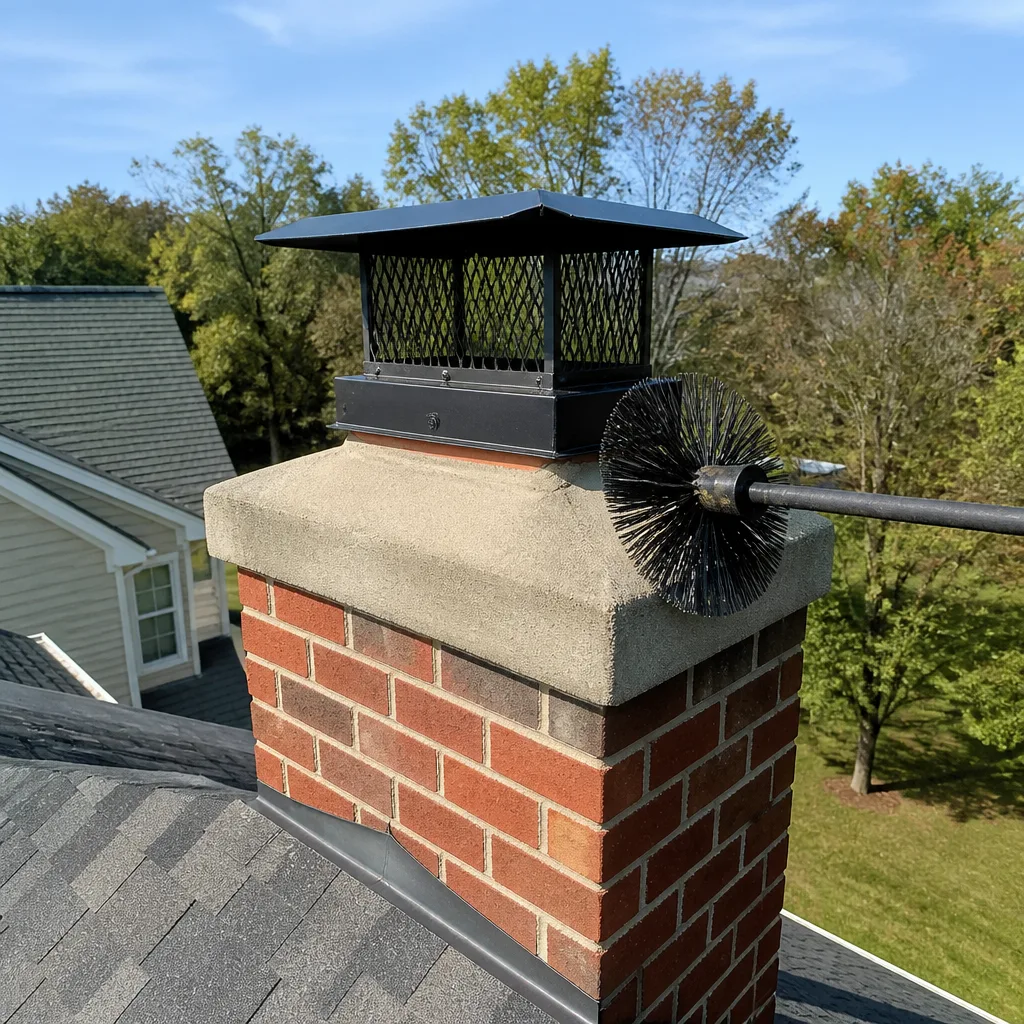 Sweep & inspection
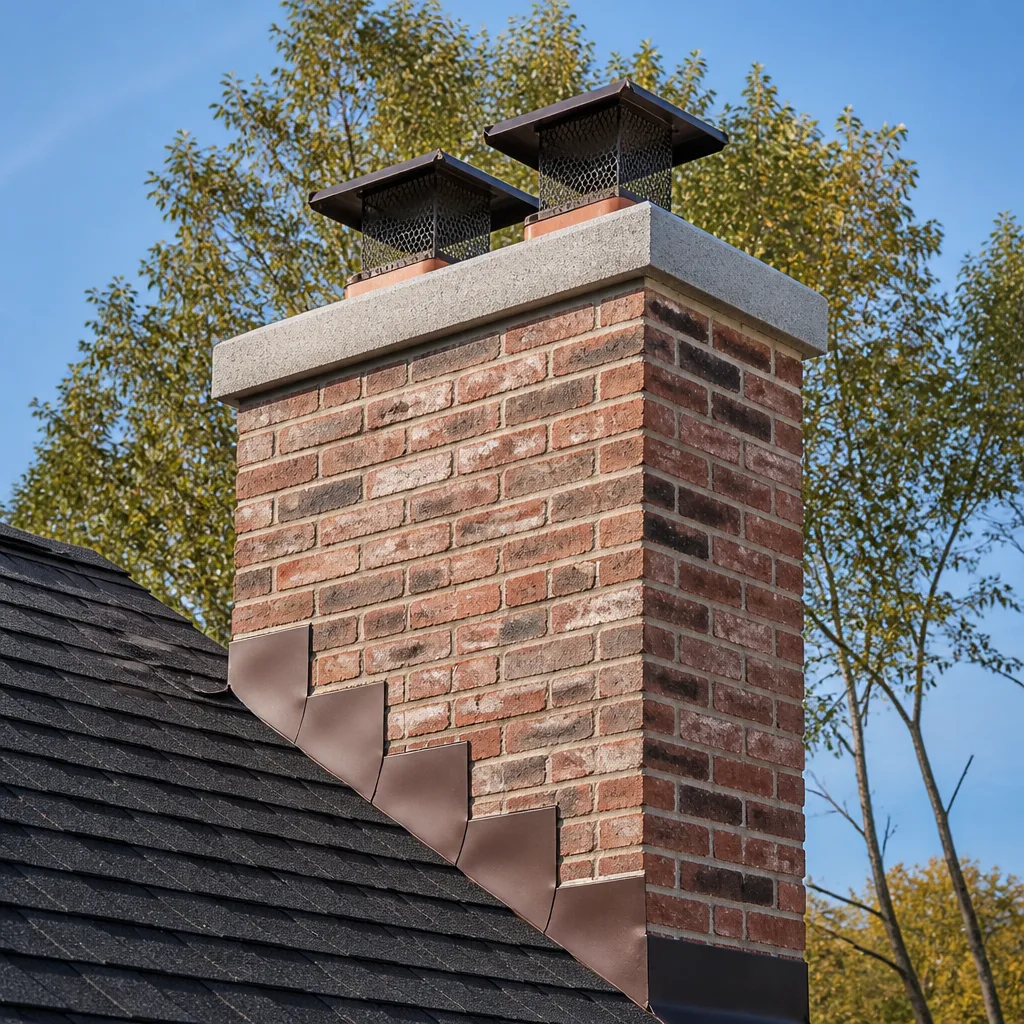 Caps & crowns
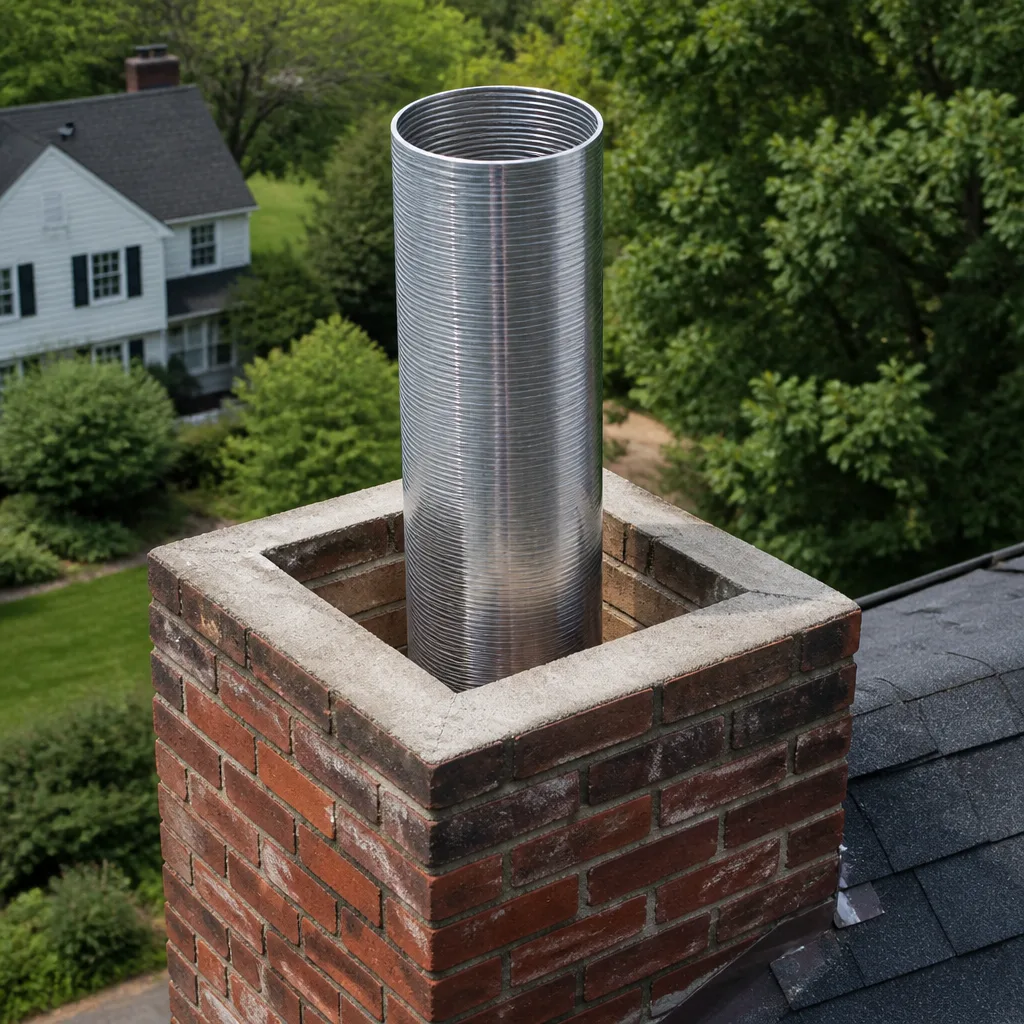 Flue relining
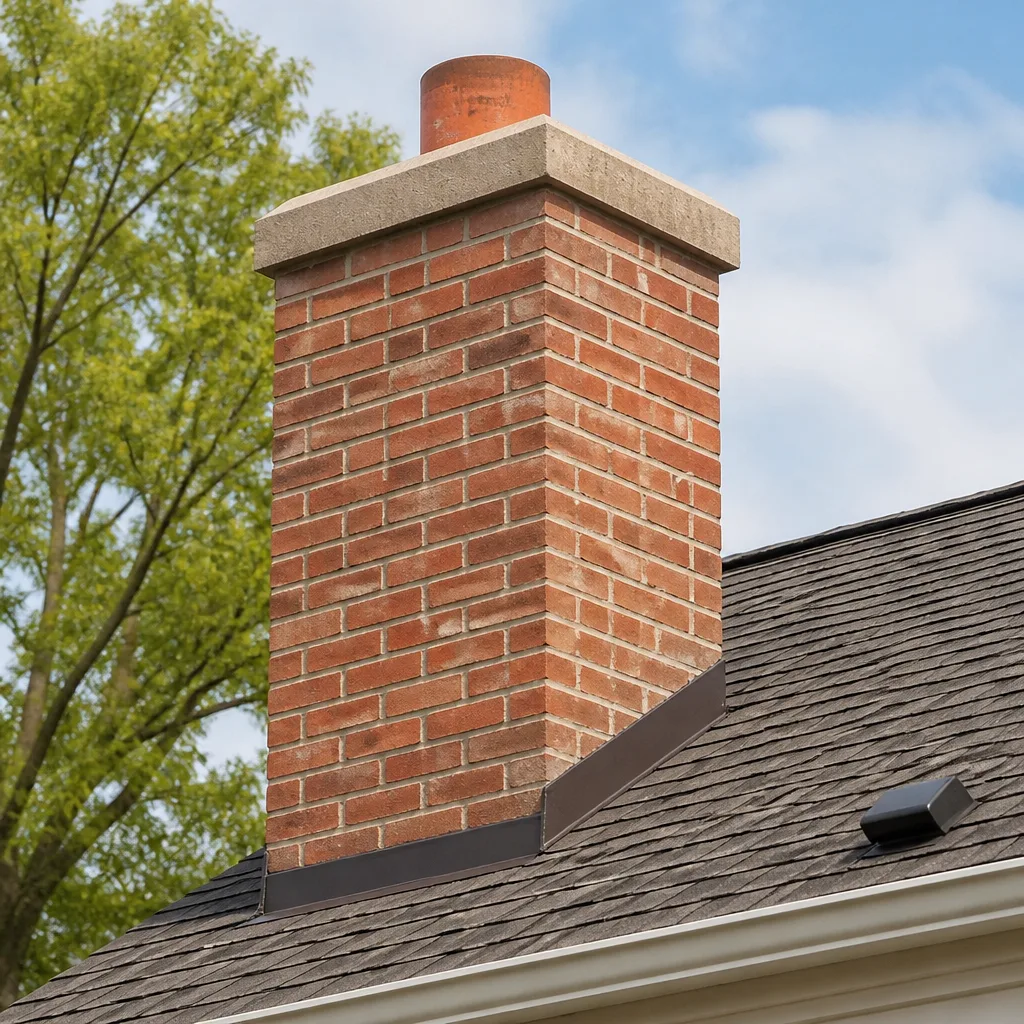 Masonry repair
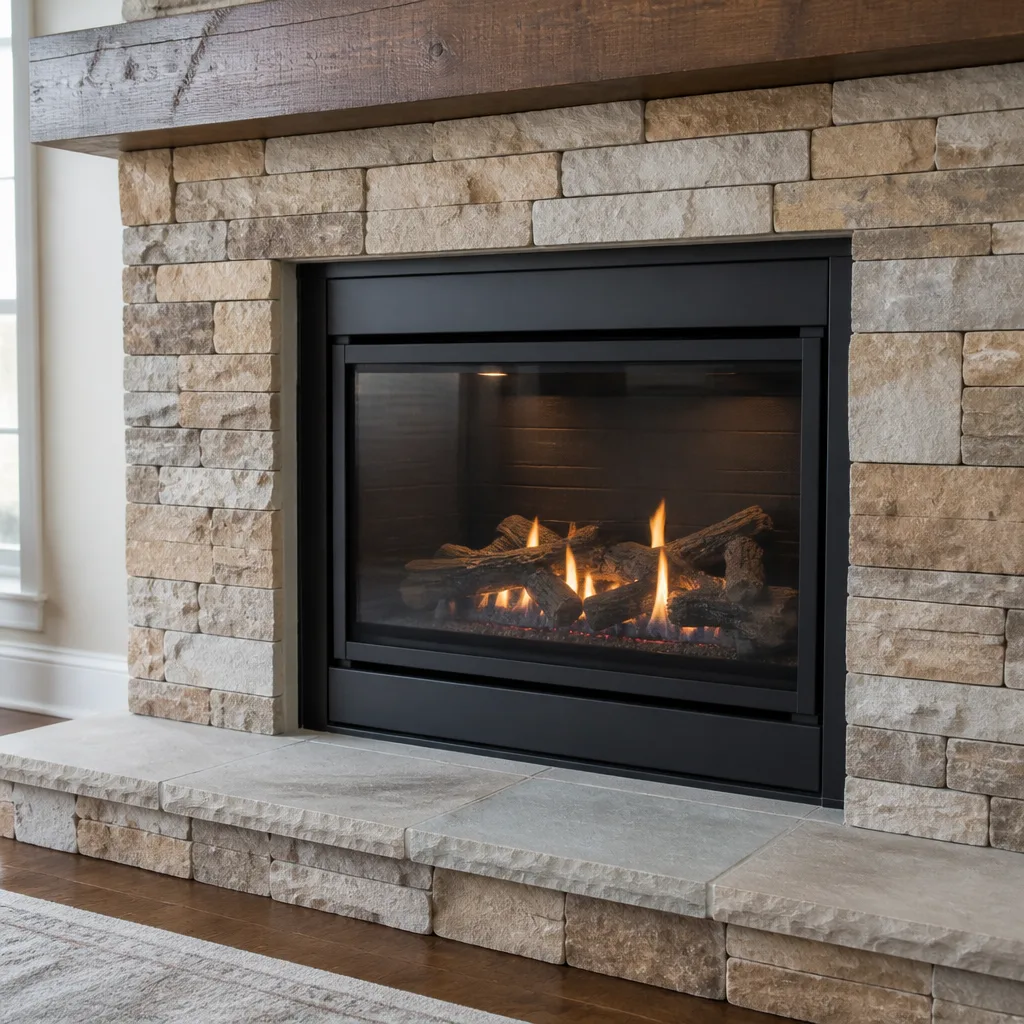 Gas fireplace service
Level 1 sweep and inspection to the NFPA 211 annual standard - flue, crown, cap, and flashing checked and photographed
Chimney sweep logs do not sweep chimneys. They loosen some creosote - which then falls where a brush and vacuum still have to collect it.
Choosing the Right Chimney Cleaning Brand: A Buyer’s Guide for McAllen
When a chimney contractor replaces your liner, you’ll probably never see it again. That’s exactly why the brand of liner they install – HeatShield, DuraFlex, or something with no name on the box – matters more than almost any other choice in the job. Most McAllen homeowners shop chimney work by labor price and assume the parts are all the same. They aren’t. A flue is a sealed system under constant heat stress, and the components inside it either hold up or they don’t. This guide shows you how to specify materials by name, ask the right questions before work begins, and verify what actually went into your chimney.
Styles & brands we work with
- Sweep & inspection
- Caps & crowns
- Flue relining
- Masonry repair
- Gas fireplace service
Quick Answer
The right chimney brand in McAllen depends on the job: HeatShield for resurfacing a deteriorating but structurally sound flue, DuraFlex for relining irregular or outdated clay tile interiors, and Copperfield connectors and accessories for the exterior terminations and fittings that take the most sun and heat. The best move is to ask your contractor to name the brand and product before any work starts, then request documentation at completion.
Table of Contents
- Why the brand of chimney components matters
- What DuraFlex, HeatShield, and Copperfield are actually built to do
- How to ask which brand a contractor is installing
- The warranty gap between named brands and off-brand parts
- Why brand specification matters in the McAllen climate
- How to cross-check that the quoted brand is the brand installed
- Choosing a chimney professional in McAllen: the sequence
- Common mistakes to avoid
- When to call a professional
- Frequently asked questions
Why the brand of chimney components matters
A chimney is one of the only systems in a home where you can’t see the working parts. You see the firebox, the brick above the roofline, and maybe a cap. Everything that actually keeps smoke, heat, and carbon monoxide moving in the right direction is hidden inside the flue or behind masonry. When something fails in there, it fails where nobody is watching.
That hidden surface is where brand matters. Off-brand liners and connectors are often sold by the foot with no traceable manufacturer, no testing standard printed on the label, and no warranty recourse if the metal degrades in a few seasons. A named brand isn’t a logo on a box. It’s a specification – a tested combination of alloy, wall thickness, joint design, and thermal rating that a manufacturer stands behind.
In our experience working on McAllen homes, the difference shows up years later. A liner that looked identical at installation can be pitted, warped, or cracking at the joints while a properly specified one is still doing its job. You’ll never see that difference on the invoice unless the invoice names the material.
This is the reason we name the brands we install. You deserve to know what’s in your chimney, not just what the labor cost.
Three things to understand about hidden components
- Labor is visible; materials are not. A crew can do clean, professional work and still install a component that wasn’t built for the job.
- Cheap parts cost more later. Premature liner failure means paying for the same job twice, and sometimes paying for water or fire damage on top of it.
- Brand is your only verifiable record. If a component isn’t named, you have no way to check the standard it was made to or whether a warranty exists.
What DuraFlex, HeatShield, and Copperfield are actually built to do
Brand names get tossed around as marketing, but each of these products solves a specific kind of chimney problem. Here’s what they’re engineered for, in plain terms.
DuraFlex flexible liner systems
DuraFlex is a flexible stainless steel liner system designed to reline chimney flues that aren’t perfectly round or straight. That describes most older masonry chimneys, where the clay tile interior has offset joints, cracks, or a shape that won’t accept a rigid liner. The flexible construction lets it follow the flue you actually have rather than requiring a perfect one. It’s the standard solution for relining irregular or aging flues.
What to look for when a contractor specifies DuraFlex: which system is being installed and how it will be connected at the top and bottom. A liner is only as good as its termination.
HeatShield chimney resurfacing
HeatShield is a proprietary resurfacing system for deteriorating flue liners. This is the point most homeowners miss: not every damaged flue needs a full liner replacement. When the existing flue is structurally sound but the interior surface is cracked, spalling, or eroding, HeatShield is applied to restore a smooth, sealed surface over it. The advantage is that it treats the flue in place rather than tearing it out.
That makes it a cost-significant alternative to full relining – and one that most sweep-only operations can’t offer, because the application requires trained technicians and specific equipment.
Copperfield specialty components
Copperfield covers the connections and accessories around the chimney system: the parts that bridge the appliance, the flue, and the exterior termination. These are typically the fittings that take the most direct heat cycling and the most sun. Having them specified by name matters because a mismatch at the connector is one of the more common failure points in a vented system.
You don’t need to become a chimney engineer. You need to hear a brand name, a product, and an application rationale when you ask what’s going in your chimney.
How to ask which brand a contractor is installing
This is the most useful conversation in the whole job, and it takes about two minutes. Ask it before you sign anything, not after.
- Ask for the specific brand and product name. “What brand of liner are you installing, and which system?” A professional answers with a name and a reason. Vague answers like “the good stuff” are a signal.
- Ask what job the product is designed for. A HeatShield candidate and a DuraFlex candidate are different chimneys. If the contractor can’t tell you why they picked one, ask again.
- Ask for it in writing on the estimate. The brand and product belong on the quoted scope, not just in the conversation.
- Ask about the documentation you’ll get at completion. A named-brand job should leave you with a record of what was installed.
- Ask what happens if the product isn’t right for your flue. A professional who has already looked inside will tell you. A contractor who guesses gets defensive.
If the answer is resistant, evasive, or “we use whatever our supplier has this week,” you’ve learned something important about their sourcing practices. In McAllen’s market, most contractors are honest. But you can’t verify what you didn’t ask about, and you can’t challenge a material after it’s sealed behind masonry.
A proper chimney sweep visit includes a camera inspection, and that inspection is what should drive the brand recommendation. Nobody should be specifying a liner without seeing the inside of your flue first.
The warranty gap between named brands and off-brand parts
The warranty is where the material question gets practical. A named brand typically carries a manufacturer warranty tied to a tested product specification. That means if the component fails within the coverage window and it was properly installed, there’s a path to recourse. Anonymous off-brand parts usually carry no manufacturer support at all, which leaves a failed reline as your problem entirely.
But the warranty gap is only part of the long-term cost. Consider what happens if an unnamed liner fails in a few seasons:
- You pay for the first installation and the second.
- You may pay for masonry repair if the failed liner allowed heat or moisture into the structure.
- You have no documentation from the first job to support a claim.
- You have no way to prove the original material was the problem.
The cheapest quote and the lowest long-term cost are often not the same number. A slightly higher material cost on a part that lasts washes out against a repeat job. This is especially true in the McAllen heat, where components work through many more thermal cycles per year than the national averages the products were designed around.
There’s another factor: a certified, trained installer of a proprietary system like HeatShield has a relationship with the manufacturer. That relationship is part of the warranty chain. Ask any contractor whether their installers are trained on the system they’re quoting.
Why brand specification matters in the McAllen climate
McAllen’s climate puts a specific kind of wear on chimney components, and not every product handles it equally.
Thermal cycling
McAllen summers are long and hot, and a chimney that gets used in cooler weather still sees the flue cycle through large temperature swings each time it’s fired. Every heat-up and cool-down expands and contracts metal and masonry at different rates. A liner designed with the right alloy and joint flexibility absorbs that cycling. A thinner or lower-grade component fatigues faster at the joints and seams – the exact places you can’t see.
UV exposure on exterior components
Our part of Texas gets strong sun most of the year. The chimney cap, top plate, termination, and connector fittings sit on the roof in direct sun and heat. These are the Copperfield-type components that fail first when the material isn’t engineered for prolonged UV and heat exposure. A cap or top-mount that degrades allows water in, and water inside a flue is a slow path to structural damage.
Humidity resistance
South Texas humidity is significant, and masonry absorbs and holds moisture. Products with proper corrosion resistance and sealed connection points fare far better than untested hardware. In a humid climate, the difference between a corrosion-rated connector and a cheap one shows up in a few seasons.
None of this means you need a premium product for every job. It means the product should be matched to the exposure. A contractor who knows the McAllen climate will account for exterior UV, thermal cycling, and humidity when they choose what goes on your chimney – and will tell you which brand and why.
How to cross-check that the quoted brand is the brand installed
You don’t need to climb on the roof. You need to know what to request and what to look for.
- Get the product name on the written estimate. Not “new liner – install.” The actual brand and system.
- Ask for the manufacturer documentation at completion. A named-brand installation should leave you with the product record and warranty information. Ask before the work starts what you’ll receive.
- Look at the visible terminations. The liner top, cap, and connector components are visible. Labels, fasteners, and finish quality tell you a lot.
- Compare the invoice to the estimate. If the brand on the invoice doesn’t match the estimate, ask why in writing.
- Keep the record. Store the product info and documentation with your home’s maintenance paperwork. It’s your proof if anything ever comes up later, including when a future owner has the chimney inspected.
The general principle: Chimney Sweep McAllen installs named, professional-grade products because a verifiable materials record protects the homeowner, not the company. A contractor who specifies by name should be able to prove what they specified.
Make sure the dryer vent cleaning on your list gets the same treatment. Vent components and connections are part of the same combustion-safety picture, and they’re just as invisible day to day.
Choosing a chimney professional in McAllen: the sequence
Price should be the last thing you compare, not the first. Work through material questions in this order and the field narrows itself.
- Ask for a camera inspection. Any recommendation without one is a guess. Insist on a camera inspection and a photo report you can see for yourself. If a contractor declines, that’s your answer.
- Ask that the findings be explained in plain language. You should know what’s wrong, where, and whether it can wait.
- Ask which brand and product is recommended and why. HeatShield for resurfacing a sound flue, DuraFlex for a reline, Copperfield for exterior fittings. Ask which job is yours.
- Get a written scope and written estimate. The estimate should set the final price. Prices are estimates until that written quote.
- Confirm documentation at completion. Product record, warranty info, photo report, and a clear note on any work deferred as safe to wait.
- Check the urgent-vs-not framing. A dependable contractor tells you plainly when work can safely wait. If everything is “urgent,” ask why.
In McAllen, the homeowner’s real hesitation is being told they need thousands of dollars of liner or masonry work with no way to verify it. That’s the fair question. The right answer is camera evidence, in a photo report you can look at, plus a plain explanation of whether the work can wait. Anything less deserves a second opinion.
Common Mistakes to Avoid
- Buying on labor price alone. The crew cost is visible and comparable; the material cost is the part you can’t see. A low quote with unnamed materials can be the most expensive choice in the end.
- Not asking for the brand before work starts. Once the liner is sealed in place, you can’t inspect it. Ask before the work, not after.
- Accepting a visual-only inspection. A look from the firebox isn’t a camera inspection. Insist on a camera and a photo report, especially in McAllen’s taller masonry chimneys where the interior does the work.
- Treating “we can do both” as proof. A contractor who handles chimney, vents, and dryer vent work should be able to explain how each connects to the other. If they can’t, the scope is broader than the expertise.
- Ignoring the exterior components. The visible cap and termination take the most UV and humidity. Ask what brand they are, not just what’s inside the flue.
- Assuming the cheapest part has the same warranty. Off-brand parts often have no manufacturer support. The documentation gap is the giveaway.
- Not keeping the paperwork. The product record and photo report are your proof of what’s in the chimney. Store them with your home records.
When to Call a Professional
Some chimney conditions are clearly un-do-it-yourself territory. If you’ve had a fire in the firebox, chimney fire, or a puff-back of smoke into the room, stop using the chimney and call. If you see cracked or crumbling flue tile, rusted or displaced firebox components, a damaged cap, or staining on the masonry that suggests water entry, that’s a professional inspection. Carbon monoxide is a specific reason to act without delay – buyers should have a working CO alarm on every level, and any chimney-safety concern is worth a call.
We can work with your insurer if a covered event is involved. When it’s just seasonal maintenance – before the cooler months, before the first fire of the year – that’s a simpler job, and it’s the best time to get it done. Chimney Sweep McAllen offers free estimates in McAllen – call (866) 566-0403 to book a sweep. We answer 24/7.
Frequently Asked Questions
A professional contractor should name specific, professional-grade brands rather than generic parts. In our area, that typically includes HeatShield for resurfacing a deteriorating flue, DuraFlex for relining irregular or clay tile flues, and Copperfield or similar named components for exterior fittings. The brand should match the job: HeatShield for a sound but eroded flue, DuraFlex for a reline. Ask which brand, which product, and why for your specific chimney.
Chimney sweeping in McAllen is typically a moderate flat price set by a written estimate, and the estimate is free. Prices depend on the flue configuration and the inspection findings, so a sweep quote should always include a camera inspection and a photo report. Call (866) 566-0403 for an exact quote – estimates are free.
You verify by asking for documentation at completion and comparing it to the written estimate. Ask before the work starts what product record and warranty information you’ll receive. At the end, check that the product name on the documentation matches the estimate. Keep the paper and photo report. That’s your only verifiable record of what’s in your chimney once the job is closed up.
Not every damaged flue needs a full liner replacement. HeatShield resurfacing can restore a deteriorating flue in place when the structure itself is sound, which is often a cost-significant alternative to a reline. The only way to know which applies to your chimney is a camera inspection. Ask for the photo report and a plain explanation of why one path is recommended over the other.
For a regularly used wood-burning fireplace or insert, an annual inspection is the baseline, and a sweep is due when the inspection shows enough creosote buildup or obstruction to warrant it. Gas inserts and vented appliances should still be inspected on a regular schedule. The right frequency depends on how much you burn, so the inspection findings matter more than a preset number. Book a sweep and an inspection together.
Skipped maintenance allows creosote to build up inside the flue, and creosote is a genuine fire hazard. A damaged or degraded liner can also let heat, smoke, or combustion gases into places they shouldn’t be. You won’t see either failure from the living room. Camera inspection is how you know before it matters. Call (866) 566-0403 – we answer 24/7, with fast dispatch from 7am to 7pm.
The Bottom Line
The parts of your chimney you’ll never see are the parts most likely to fail and the parts hardest to verify. In McAllen’s heat and humidity, the difference between a named, professional-grade component and an anonymous one shows up years later, in thermal cycling, UV exposure, and humidity resistance – long after the invoice is paid. Ask for the brand before the work begins. Ask which product is built for your chimney. Get it in writing on the estimate and get documentation at completion. Named materials with a verifiable record protect you in a way lower labor cost can’t. When you’re ready to have the flue looked at, call Chimney Sweep McAllen at (866) 566-0403 for a free estimate, or see more about how we work in McAllen.
Call (866) 566-0403. We answer 24/7. Fast dispatch from 7am to 7pm, Sunday through Friday. We’re closed Saturday; a call outside those hours books into the next opening.
Written by the team at Chimney Sweep McAllen.
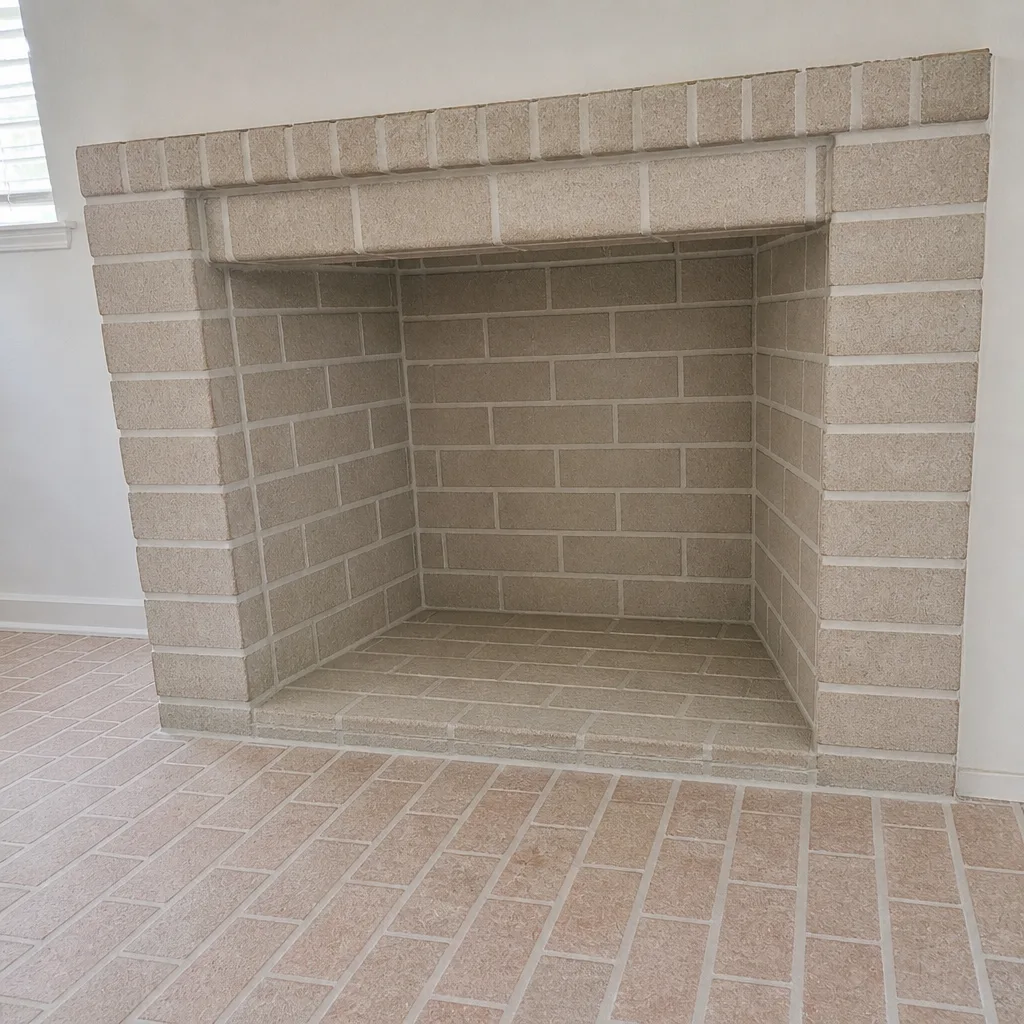
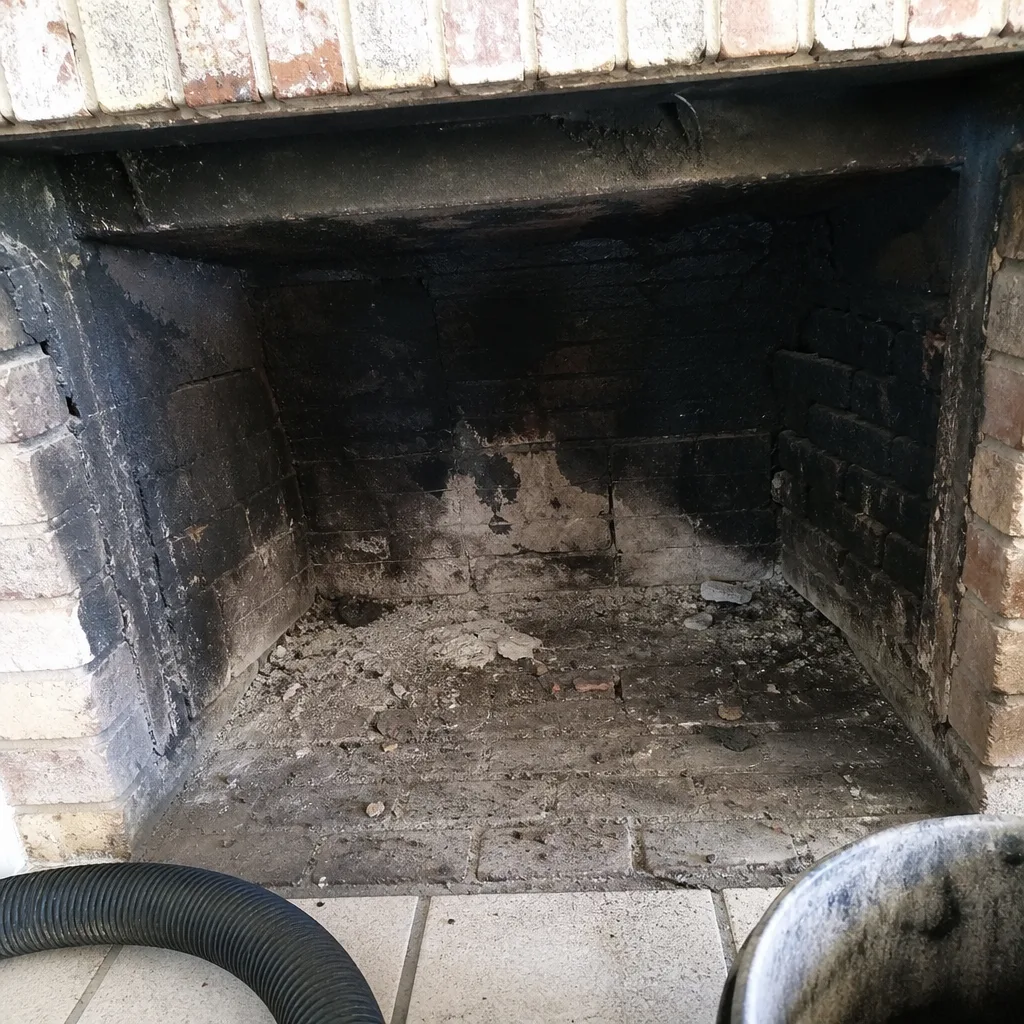
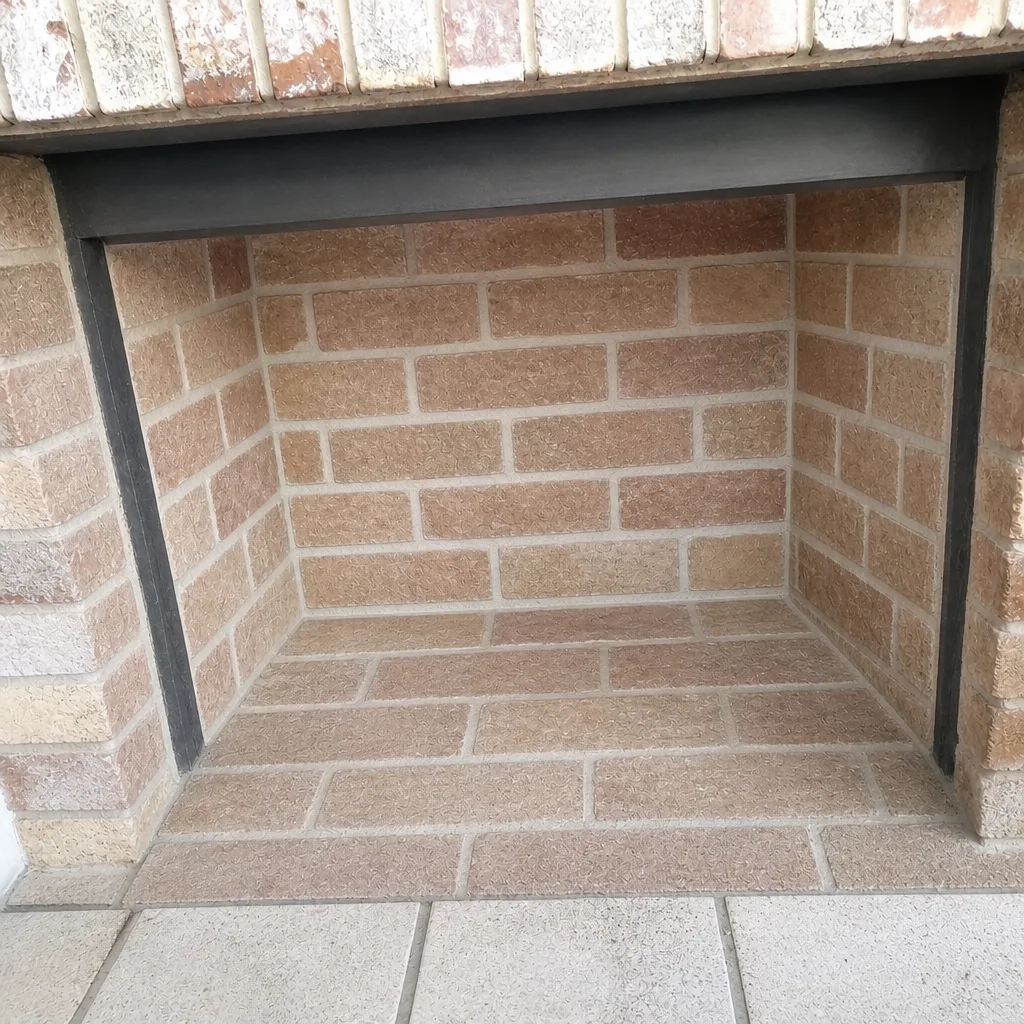
See the difference
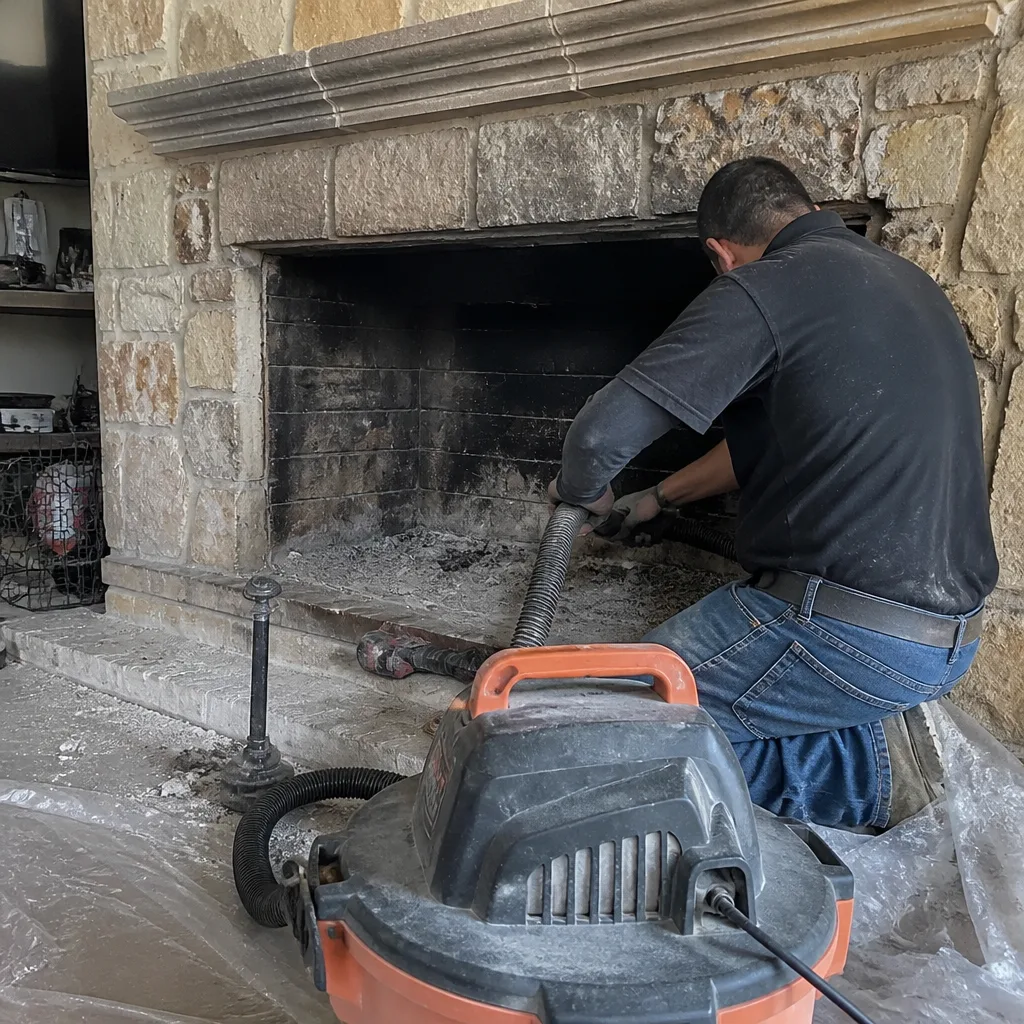 Before
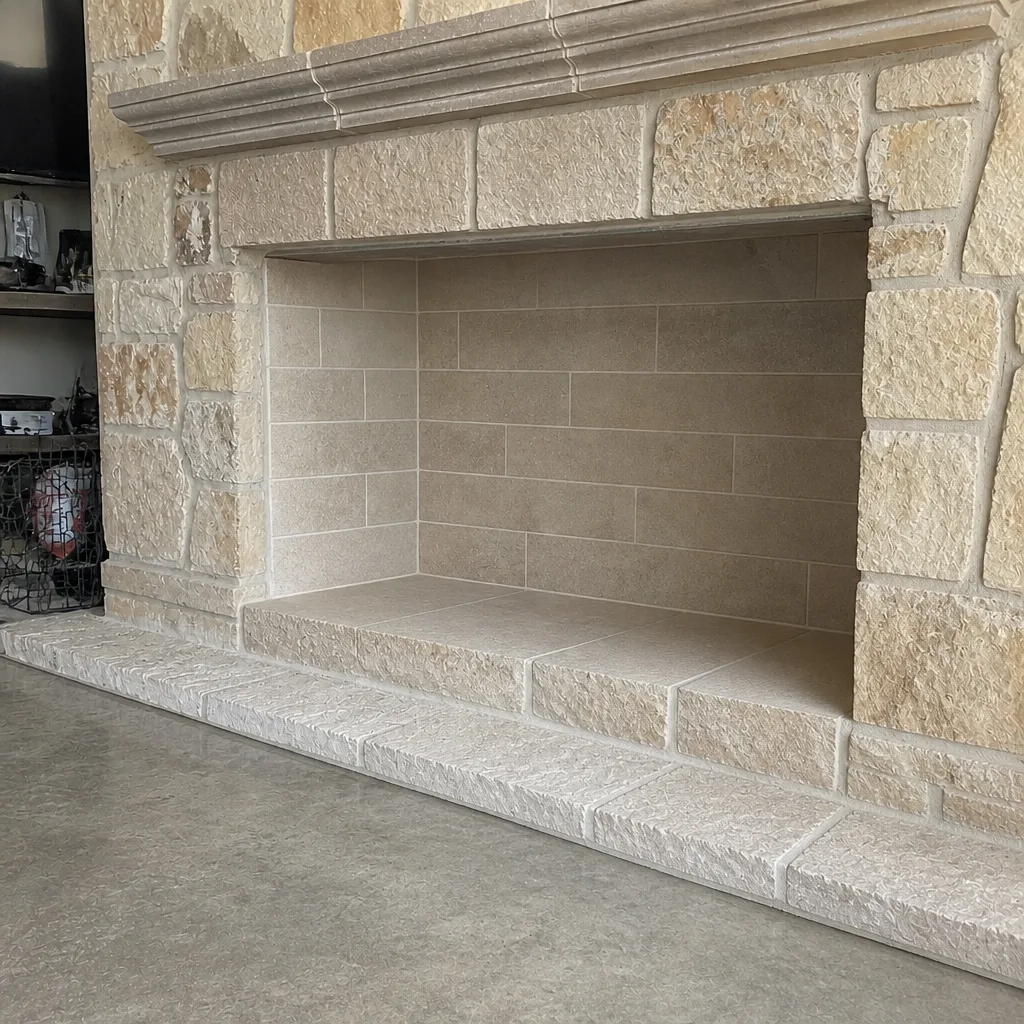 After
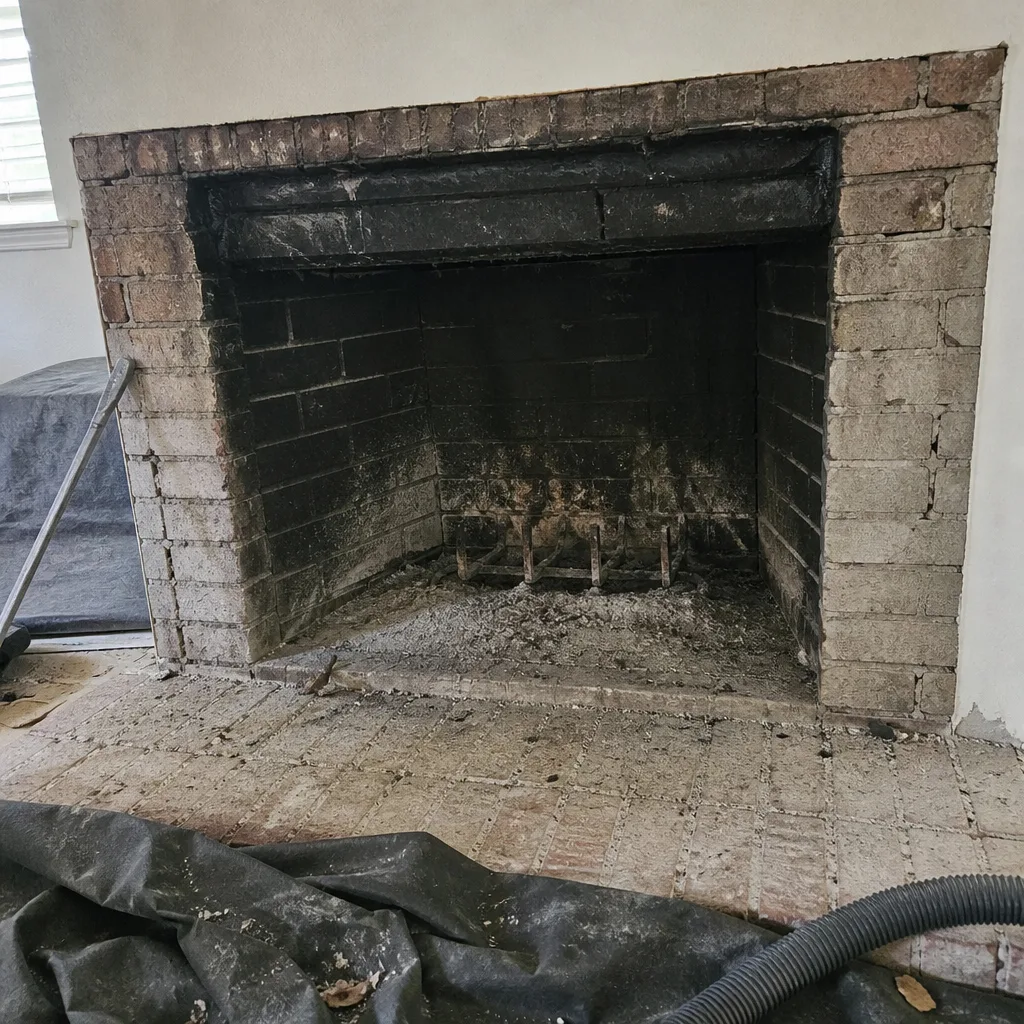 Before
 After
 Before
 After