
Last updated November 14, 2026
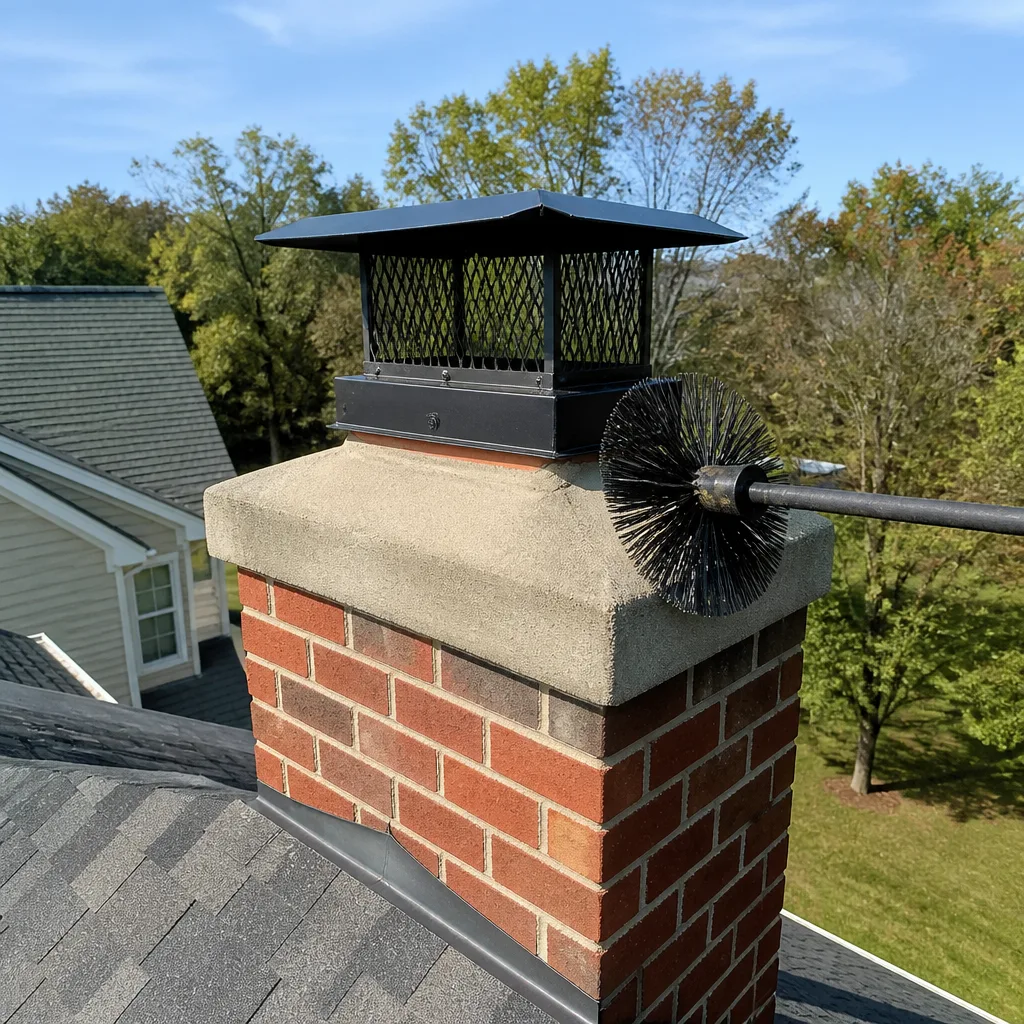 Sweep & inspection
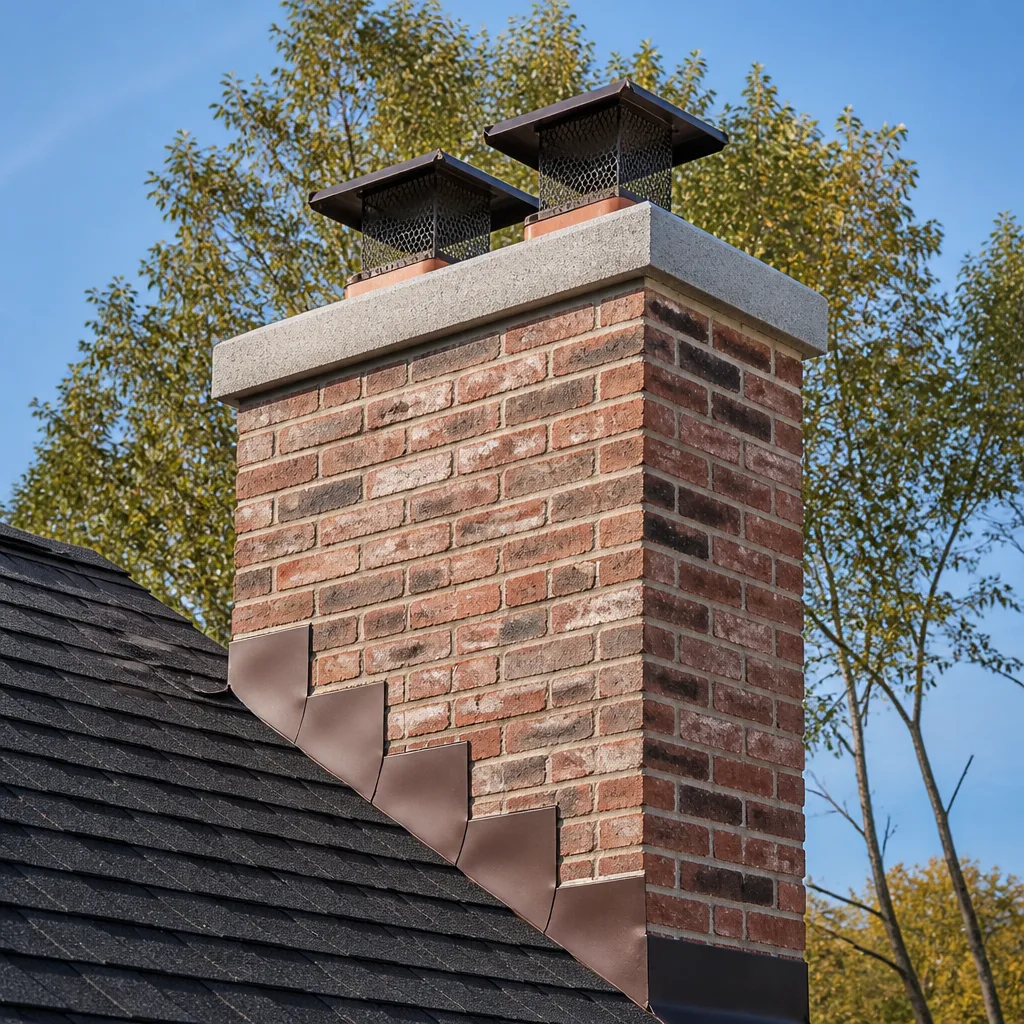 Caps & crowns
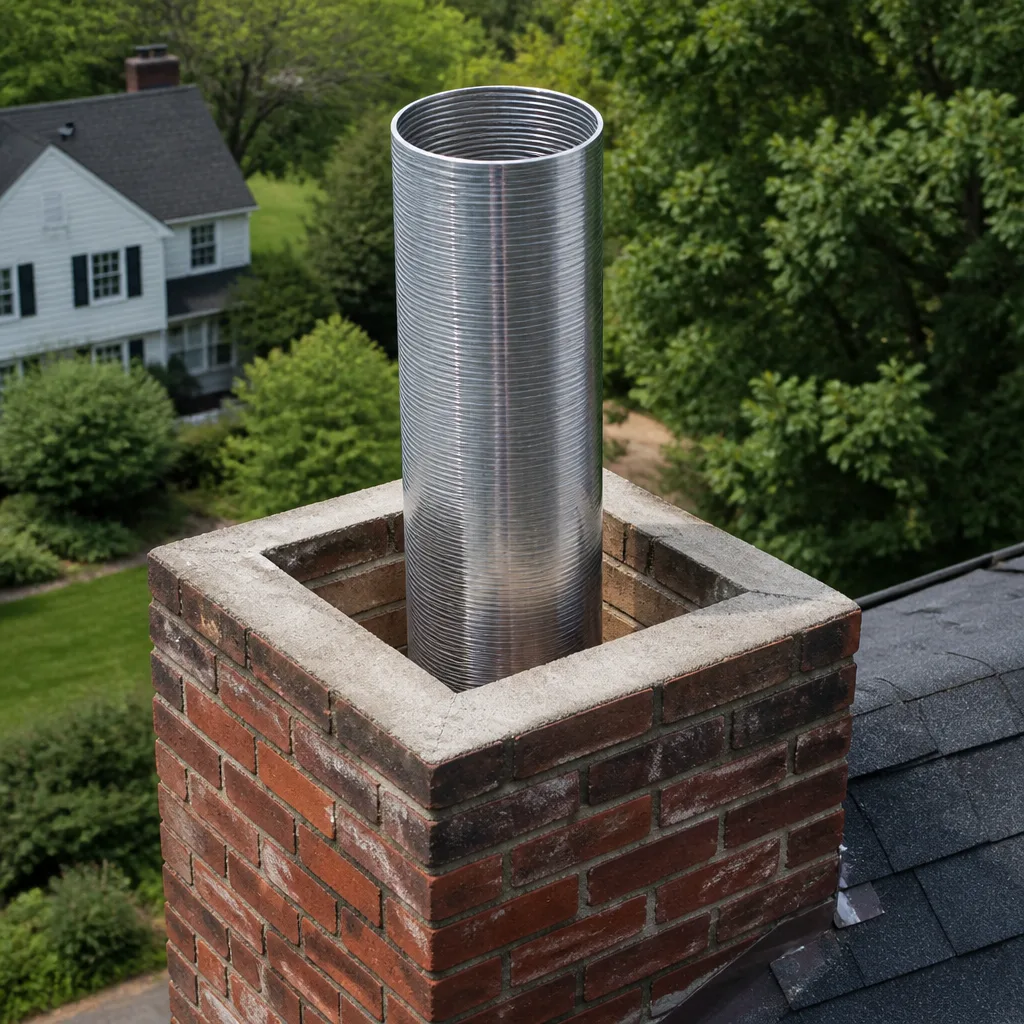 Flue relining
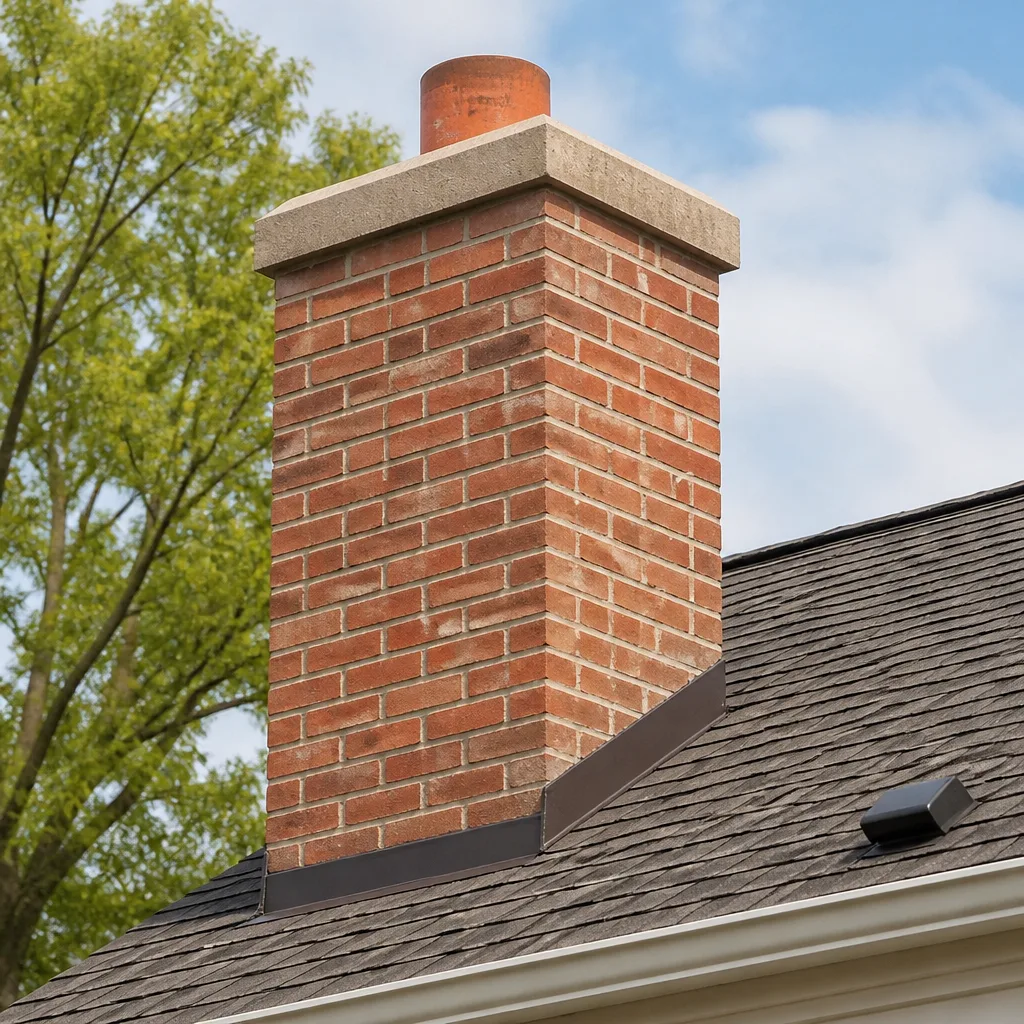 Masonry repair
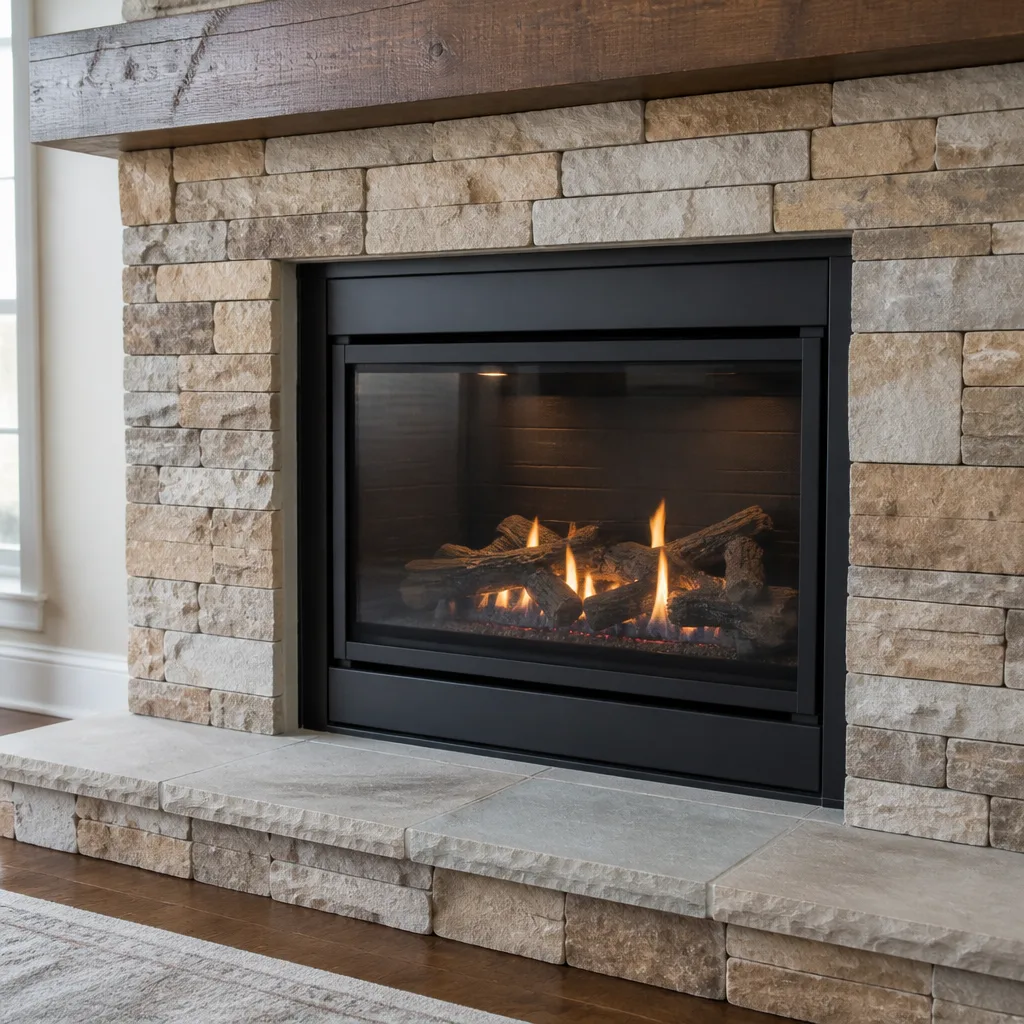 Gas fireplace service
Level 1 sweep and inspection to the NFPA 211 annual standard - flue, crown, cap, and flashing checked and photographed
Chimney sweep logs do not sweep chimneys. They loosen some creosote - which then falls where a brush and vacuum still have to collect it.
Chimney Cleaning Permits, Codes & Inspections in McAllen, TX: What You Need to Know
A chimney cleaning doesn’t need a permit. A new stainless steel liner installation might. That single distinction trips up more McAllen homeowners than any other part of chimney work, and the confusion usually surfaces at the worst possible moment: during a home sale, when a buyer’s inspector asks to see the paperwork for the liner that was installed three owners ago. This guide draws a clear line between routine maintenance and the work that crosses into permitted alteration under Texas building code, explains how the City of McAllen’s building department handles chimney permits, and shows you how to verify a contractor’s permits before a single tool comes off the truck. You’ll learn what NFPA 211 requires, what local code adds on top of it, and why unpermitted work has a way of appearing on inspection reports right when you can least afford it.
Quick Answer
Routine chimney cleaning (sweeping) in McAllen does not require a permit because it’s classified as maintenance, not construction. But structural changes – installing a new stainless steel liner, adding a fireplace insert, rebuilding a chimney crown, or installing a cap that requires fastening into the masonry – typically do require a permit from the City of McAllen’s building department, and that work should be inspected. If a contractor tells you a liner replacement needs no permit at all, ask for that in writing before hiring.
Styles & brands we work with
- Sweep & inspection
- Caps & crowns
- Flue relining
- Masonry repair
- Gas fireplace service
Table of Contents
- Where maintenance ends and permitted alteration begins
- How the City of McAllen handles chimney permits
- NFPA 211 vs. local McAllen and Hidalgo County code
- What the inspection process actually looks like
- Why unpermitted work complicates home sales
- How to verify a contractor’s permits before work begins
- Why the materials on the permit matter as much as the permit itself
Where maintenance ends and permitted alteration begins
In Texas, the threshold is not about how big or expensive the job is. It’s about whether the work changes the structure, function, or code compliance of the chimney and venting system. Sweeping removes creosote and debris and leaves everything as it was. Relining replaces a component of the venting system. Those are legally different categories of work.
Here’s the line, drawn as plainly as we can draw it:
- No permit typically required: chimney sweeping, creosote removal, cap cleaning, minor mortar repointing that doesn’t change the structure, and fireplace cleaning.
- Permit typically required: full stainless steel liner installation (including DuraFlex or equivalent), fireplace insert installation, chimney crown replacement, chase cover replacement, structural masonry repair, and any change to the flue’s internal dimensions.
- Gray zone, ask the building department: minor cap replacements, damper replacements, and HeatShield resurfacing of a flue liner. Whether these require a permit depends on how the work is classified locally, and it’s better to ask than to assume.
A good rule of thumb: if the work requires opening a wall, cutting into the masonry, or installing a new manufactured component into the flue, assume a permit is required until you’re told otherwise by the City of McAllen. Sweeping a firebox does not meet that bar. Sliding a stainless liner down a chimney absolutely does.
How the City of McAllen handles chimney permits
The City of McAllen’s building department issues permits for mechanical, structural, and gas-related work, and chimney liner installations and insert installations fall into those categories. The application process itself is straightforward, but the details of what’s filed matter more than most homeowners realize.
A chimney permit application typically requires:
- A completed permit application with the property address and owner information.
- A scope of work describing exactly what’s being replaced, added, or altered – “install 6-inch stainless steel flexible liner in existing masonry chimney” is a real scope; “chimney work” is not.
- Product specifications for the liner or insert being installed, including UL listing information.
- Contractor licensing information (Texas does not license chimney sweeps as a trade, but mechanical and gas work may require separate licensure).
- The permit fee, which scales with the valuation of the work.
Once the permit is issued, the work proceeds, and an inspector from the City of McAllen verifies the installation before the permit is closed out. That final inspection is the piece most homeowners never see – and the piece that matters most at resale. A closed permit with a passing inspection is documented proof the liner meets code. An open permit or no permit at all leaves a question mark the size of your chimney.
If you’re hiring work in McAllen and the contractor schedules the job without mentioning a permit, that’s the moment to ask. Our chimney sweep team treats permitted liner work as a separate scope from routine sweeping for exactly this reason.
NFPA 211 vs. local McAllen and Hidalgo County code
NFPA 211 is the national standard for chimneys, fireplaces, vents, and solid fuel-burning appliances. It’s the technical backbone of nearly every local chimney code in the country, including what’s enforced in McAllen and Hidalgo County. What local code does is adopt NFPA 211 as the baseline and then add requirements on top.
Where NFPA 211 says a liner must be “listed and installed per the manufacturer’s instructions,” local code says “and inspected by the City of McAllen building department before the permit can be closed.” Where NFPA 211 covers clearance-to-combustibles in general terms, local code references the same numbers and confirms them at inspection.
The practical differences you’ll see in McAllen:
- Inspection timing. NFPA 211 doesn’t require an inspection on every liner install. Local permitting does.
- Documentation. NFPA 211 tells you what makes a chimney compliant. Local code tells you what paperwork proves it.
- Enforcement. NFPA 211 is a standard, not a law. Hidalgo County and the City of McAllen enforce their adopted codes, which means the same NFPA language now has teeth.
For homeowners, the takeaway is simple: NFPA 211 tells you what’s safe. McAllen’s adopted codes tell you what’s legal, and the building department is the place both meet.
What the inspection process actually looks like
An inspection isn’t a homeowner interview. It’s a code check on the installed system, performed after the work is complete and before the permit is closed. Here’s what the sequence looks like in McAllen:
- Application submitted. The contractor files the permit with the City of McAllen’s building department, along with the scope and product specs.
- Permit issued. The fee is paid and the permit is posted or recorded at the property.
- Work performed. The liner, insert, or structural repair is installed per the approved scope.
- Inspection requested. The contractor calls for a final inspection, typically within a set window after completion.
- Inspector verification. The inspector checks clearances, connector integrity, cap installation, and product documentation against the application.
- Permit closed. If everything passes, the permit is closed in the city’s records. If not, corrections are noted and the inspection re-scheduled.
The inspection itself is usually fast – often under an hour for a typical residential liner install – but the closeout documentation is what lives on in the public record. If you ever sell the home, that closed permit is what a buyer’s inspector wants to see, and it’s the difference between a clean transaction and a months-long negotiation.
If you’re in the middle of a McAllen remodeling project that touches the chimney, ask the general contractor early whether the chimney scope is being permitted separately. It’s easy to fold chimney work into a larger permit and easy to miss the separate inspection.
Why unpermitted work complicates home sales
A home buyer’s inspector is trained to spot the differences between factory-listed chimney components and field-fabricated substitutes. A stainless steel liner installed without a permit doesn’t hide – it shows up as a shiny new component with no corresponding permit record, and that’s the exact flag that triggers questions.
When unpermitted liner or insert work is discovered at inspection, the consequences usually play out in one of three ways:
- The buyer asks for repairs or a credit. You reopen the chimney at your own cost, or you hand over a credit for the buyer to fix it later.
- The lender refuses to fund. Some lenders will not close on a property with open permits or unpermitted alterations to the venting system.
- The sale stalls or dies. The buyer walks, and you’re back to listing the home with a documented issue.
None of those outcomes are uncommon. The cost of pulling a permit during the install is a fraction of the cost of sorting it out during a sale, and the record you have at the end of a permitted job is the record that makes the transaction smooth. In a market like McAllen, where homes regularly move between owners, the paper trail matters.
How to verify a contractor’s permits before work begins
Asking for a permit before work starts is a normal part of hiring a chimney company in McAllen. A contractor who does the work will not be surprised by the question, and one who is surprised is telling you something.
Here’s the sequence that protects you:
- Ask what’s being permitted. Before you sign anything, ask the contractor to state in writing what permit they’re pulling, from which jurisdiction, and what the inspection will cover.
- Request the permit number once it’s filed. A real permit number is verifiable with the City of McAllen’s building department. Ask for it in writing.
- Verify with the city before work begins. Call the building department and confirm the permit is open, the scope matches, and the contractor is named on the permit.
- Get the closed permit at the end. After inspection, ask for the closed permit confirmation. Keep it with your home records.
If a contractor resists any of these steps, treats the permit question as an insult, or says “we don’t pull permits for that,” that’s the answer. A chimney company that won’t put its permit work in writing is a chimney company that can leave you holding the bill at resale. We’ve seen the phone calls, and they’re never fast to resolve.
Why the materials on the permit matter as much as the permit itself
The permit documents what was installed. What was installed determines how long the work lasts and how well it functions in McAllen’s climate. A permit for a liner that’s undersized or off-spec is still a permit, and it still passes a passing inspection, but it doesn’t give you the system you paid for.
We work with professional-grade industry brands because the material record matters as much as the paperwork. DuraFlex flexible liner systems are the industry standard for relining irregular or aging flues, and they’re a reasonable choice for the older masonry chimneys common in McAllen. HeatShield resurfacing restores a deteriorating flue without the cost of full replacement in cases where the clay tile is still structurally sound. Gelco, Olympia Chimney, and Famco components round out the venting system – caps, top plates, connectors – with named, listed products rather than anonymous substitutes.
Between the permit and the material documentation, you get a complete record of what lives inside your chimney. That’s what we mean when we say: we name the brands we install, because you deserve to know what’s in your chimney.
Common Mistakes to Avoid
- Assuming sweeping needs a permit. It typically doesn’t, and paying a permit fee for a routine sweep is money wasted. Save the permit conversation for liner, insert, and structural work.
- Assuming liner installation doesn’t need a permit. It typically does. That’s the single most expensive misunderstanding in chimney permitting, and it surfaces at resale.
- Trusting a verbal “we’ll handle it.” Verbal assurances mean nothing to a building inspector or a buyer’s agent. Get the permit number in writing.
- Folding chimney work into a larger remodel permit and skipping the inspection. Separate scope, separate inspection. Don’t let it get lost in the shuffle.
- Not asking about the insert permit separately. A fireplace insert is a change to the venting system, and it’s usually permitted on its own.
- Losing the closeout paperwork. The inspection record is what you’ll need five, ten, or twenty years from now when the house changes hands. Keep it with your other home documents.
- Skipping the dryer vent in the same conversation. Dryer vent work is regulated differently from chimney work, but it’s the same class of fire-safety concern, and our dryer vent cleaning team handles it under the same safety-first standard.
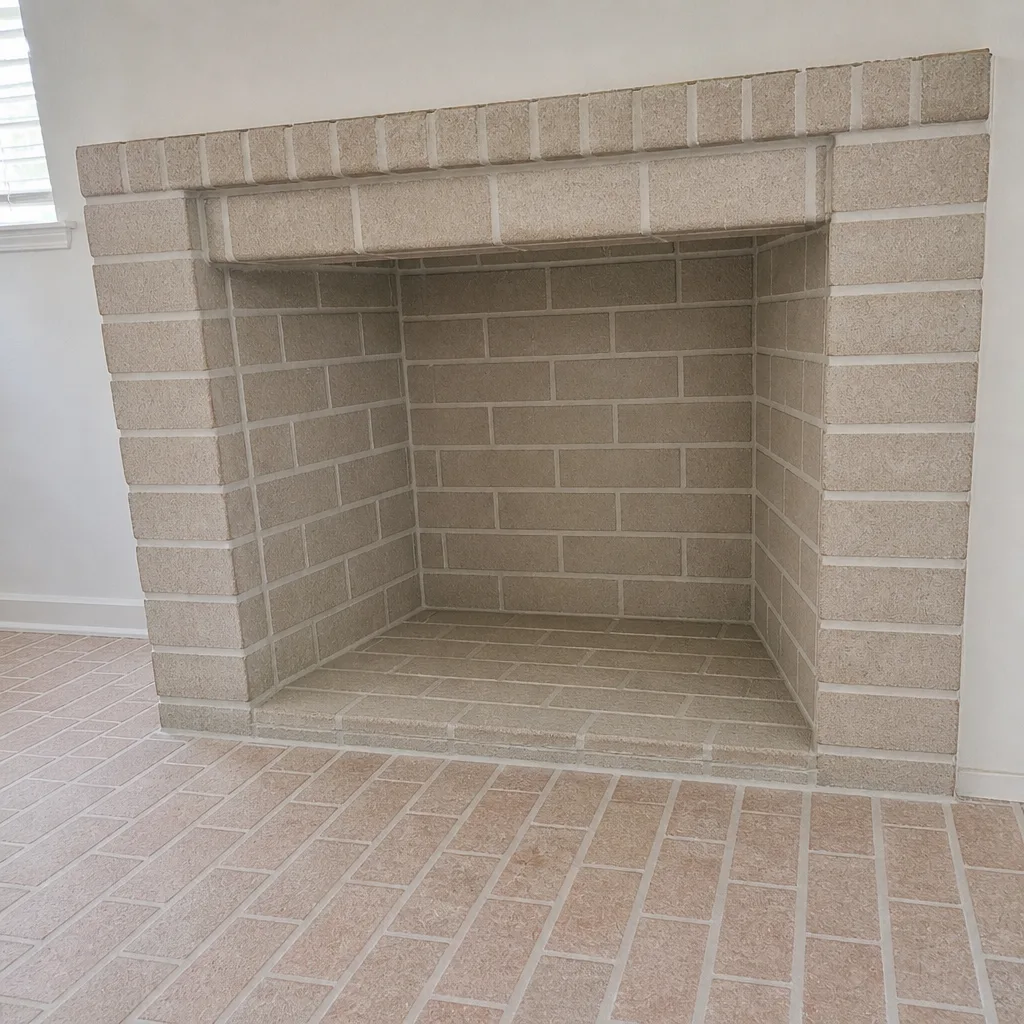
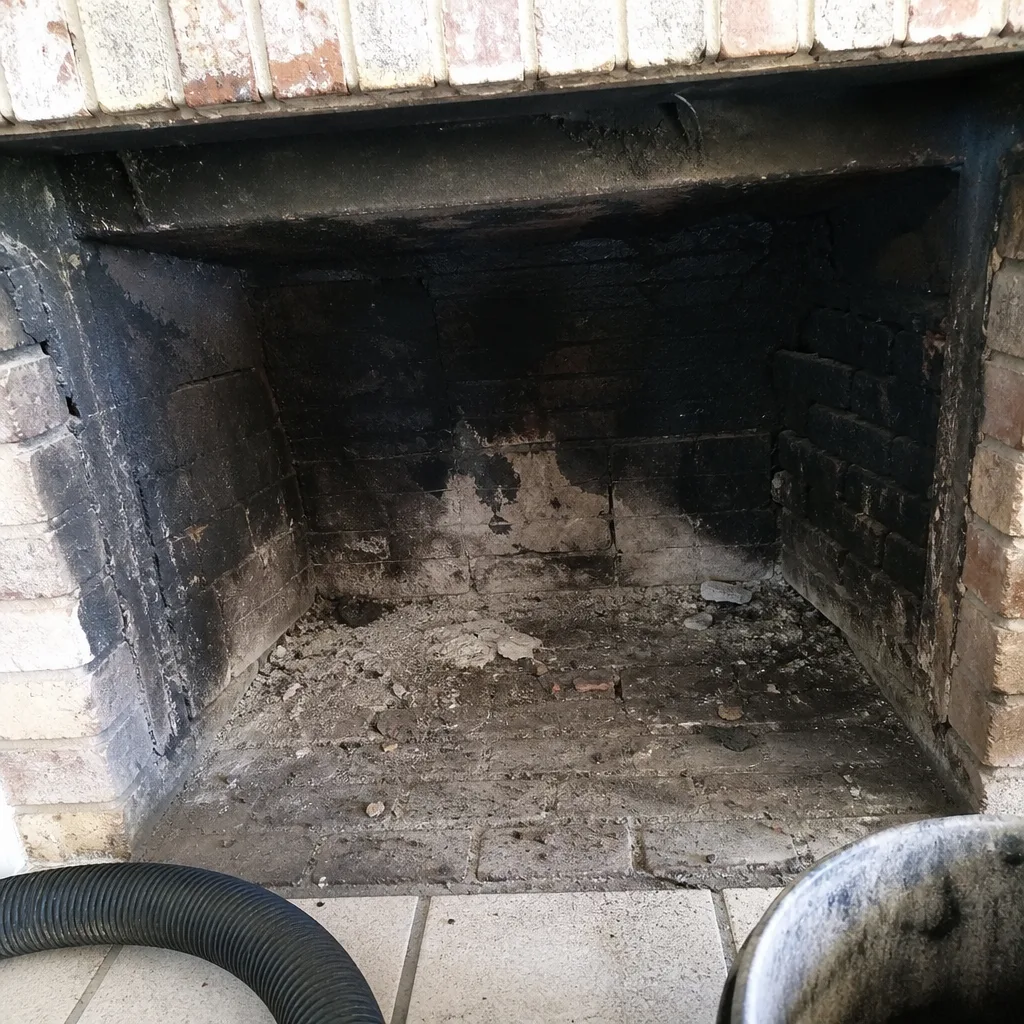
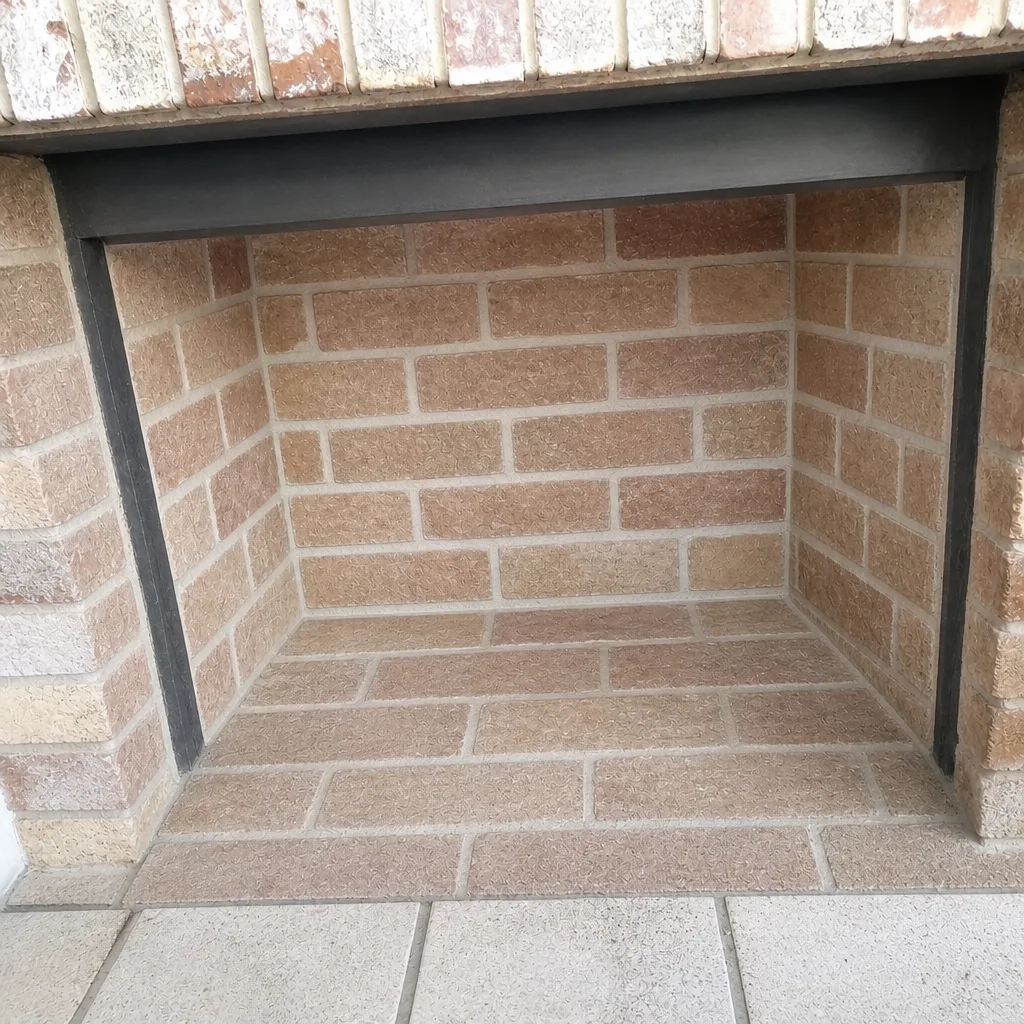
See the difference
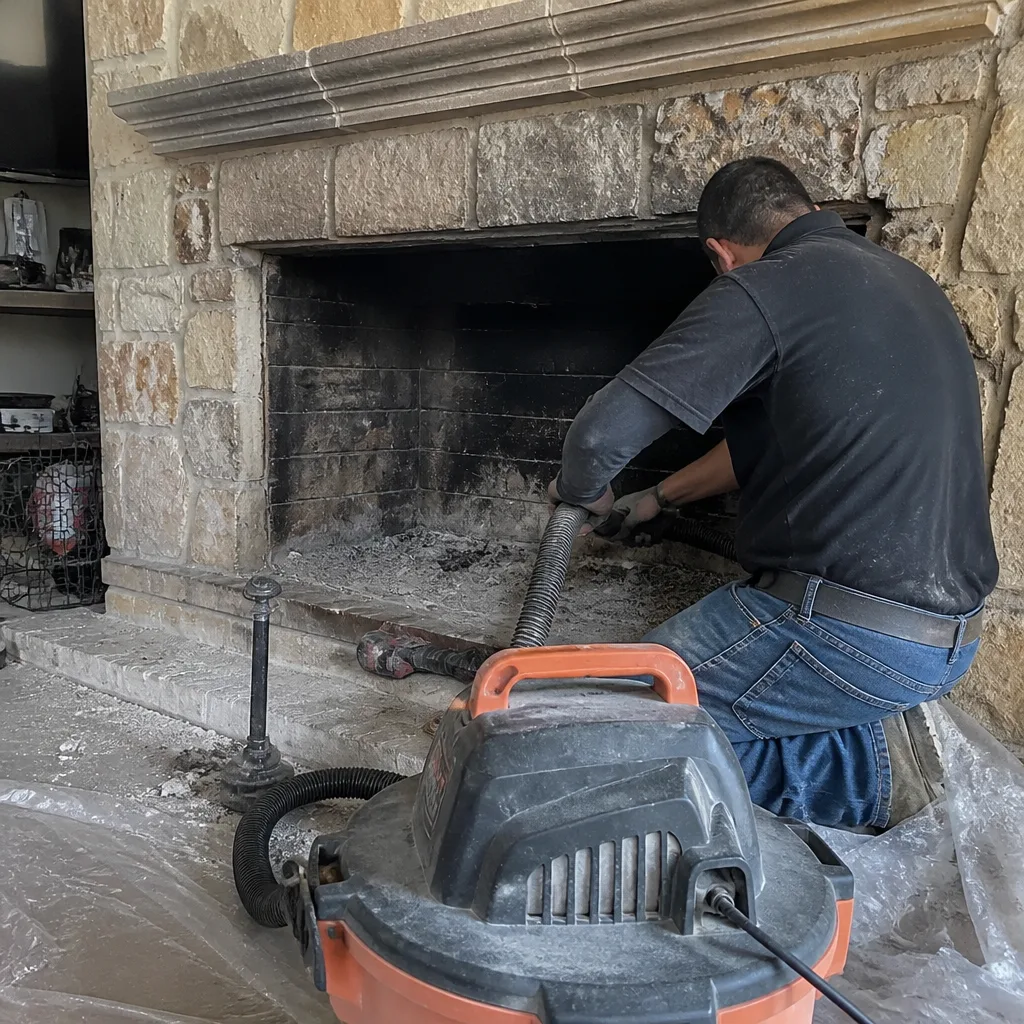 Before
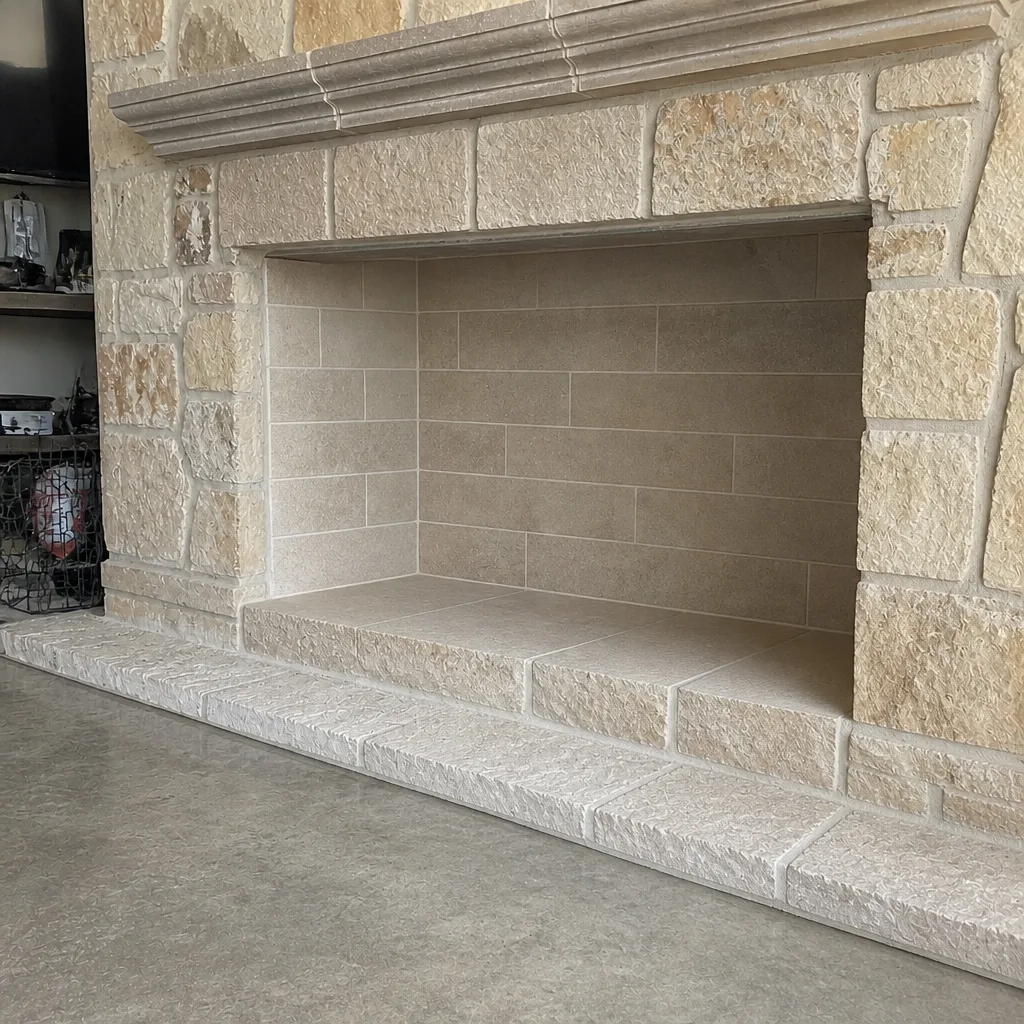 After
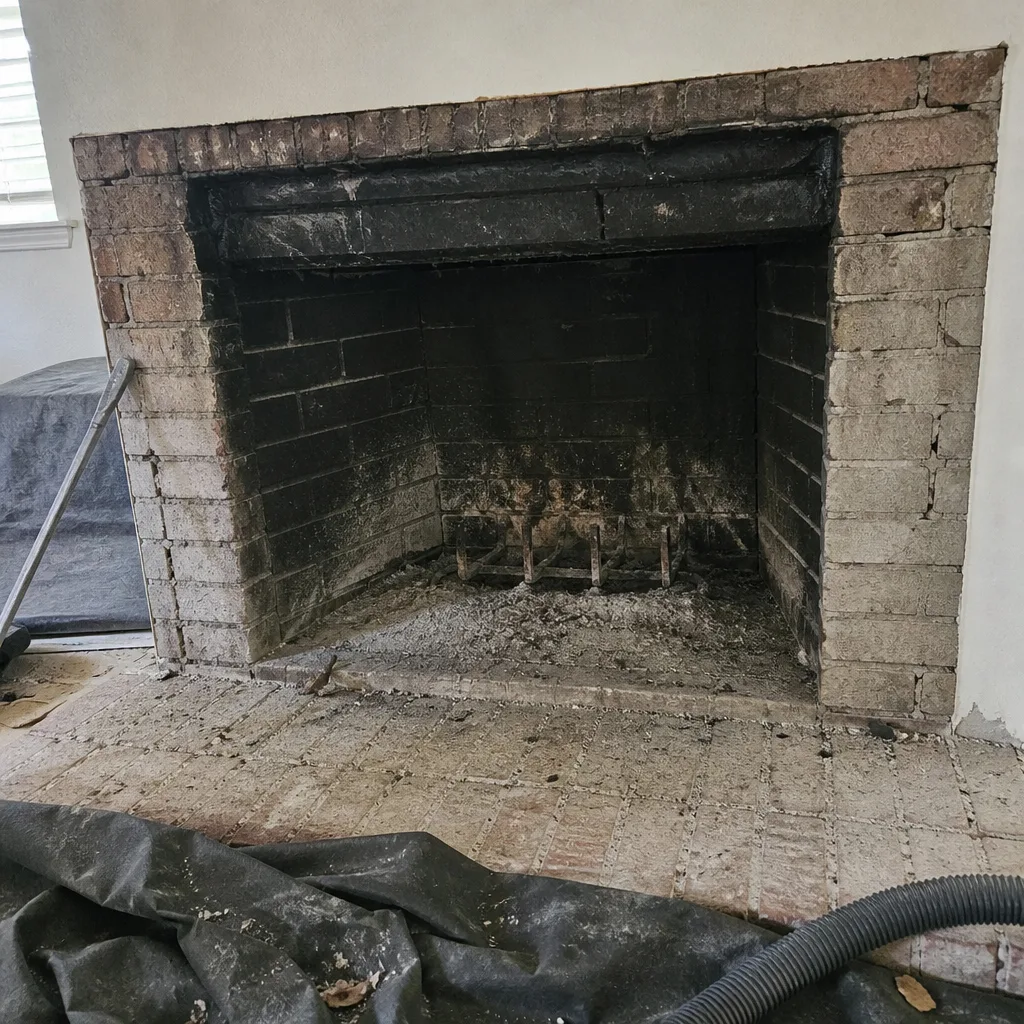 Before
 After
 Before
 After
When to Call a Professional
Call before work starts if you’re considering a liner replacement, fireplace insert, crown rebuild, or any structural change to the chimney – not after. The permit conversation happens before the contract, not during the job. Call if you’re buying or selling a McAllen home with a fireplace and don’t have the permit records for the previous install. Call if a previous contractor can’t produce a closed permit for work that was completed. Call if your inspection report shows unpermitted work and you need to know what’s fixable and how. Chimney Sweep McAllen offers free estimates in McAllen – call (866) 566-0403. We answer 24/7. Fast dispatch from 7am to 7pm, Sunday through Friday.
Frequently Asked Questions
No – routine chimney cleaning (sweeping) in McAllen does not require a permit because it’s classified as maintenance, not construction. Sweeping removes creosote and debris without altering the chimney or its venting system. If your sweep recommends a liner replacement or an insert install during the visit, that separate scope may require a permit. Call (866) 566-0403 for an exact quote – estimates are free.
Yes – in most cases, a full stainless steel chimney liner installation in McAllen requires a permit from the City of McAllen’s building department, because it’s a structural alteration to the venting system. This applies to DuraFlex liners and comparable products. Some partial relining work and HeatShield resurfacing may fall into a gray zone, and it’s worth asking the building department directly. Call (866) 566-0403 for an exact quote – estimates are free.
Ask the contractor for the permit number in writing, then call the City of McAllen’s building department to confirm it’s open, that the scope matches your job, and that the contractor is named on the permit. After the work is inspected, ask for the closed permit confirmation and keep it with your home records. A contractor who resists these steps is telling you something. Call (866) 566-0403 for an exact quote – estimates are free.
Unpermitted chimney work in Hidalgo County can surface during a home inspection at resale, at which point the buyer may ask for repairs or a credit, or the lender may refuse to fund. The cost of pulling the permit during the install is small compared to sorting it out during a sale. Call (866) 566-0403 for an exact quote – estimates are free.
NFPA 211 sets the national technical standard for chimney and venting compliance – liner listings, clearances to combustibles, and installation requirements. McAllen’s adopted building codes use NFPA 211 as the baseline and add local enforcement: permit applications, building department inspections, and closed-permit documentation. NFPA 211 tells you what’s safe. Local code tells you what’s legal and documented. Call (866) 566-0403 for an exact quote – estimates are free.
Yes – a fireplace insert installation in McAllen is a change to the venting system and typically requires a permit from the City of McAllen’s building department, including inspection of the liner and connector. An insert that was installed without a permit is one of the most common findings on a home inspection report. Call (866) 566-0403 for an exact quote – estimates are free.
The Bottom Line
The line between routine chimney cleaning and permitted work in McAllen is simpler than it looks: sweeping is maintenance; relining, insert installation, crown rebuilds, and structural changes are permitted alterations. If a contractor can’t tell you which category your job falls into, that’s the first warning sign. Ask for the permit number in writing, verify it with the City of McAllen’s building department before work starts, and keep the closed permit with your home records. That paperwork is what protects you at resale. The materials on the permit matter too – named, listed products like DuraFlex and HeatShield are what give the permit meaning. If you’re not sure where your job falls, start with a call.
Contact
If you’re in McAllen and unsure whether your chimney work needs a permit – or you’ve inherited a home with unpermitted work and need to sort it out – call us at (866) 566-0403 for a free estimate. We answer 24/7. Fast dispatch from 7am to 7pm, Sunday through Friday.
You can also start with the basics: schedule a Chimney Sweep McAllen inspection, and we’ll tell you plainly what we find, what requires a permit, and what can safely wait. No pressure, no sales pitch, just a clear answer and a written estimate that sets your price.
Written by the team at Chimney Sweep McAllen.