
Last updated November 14, 2026
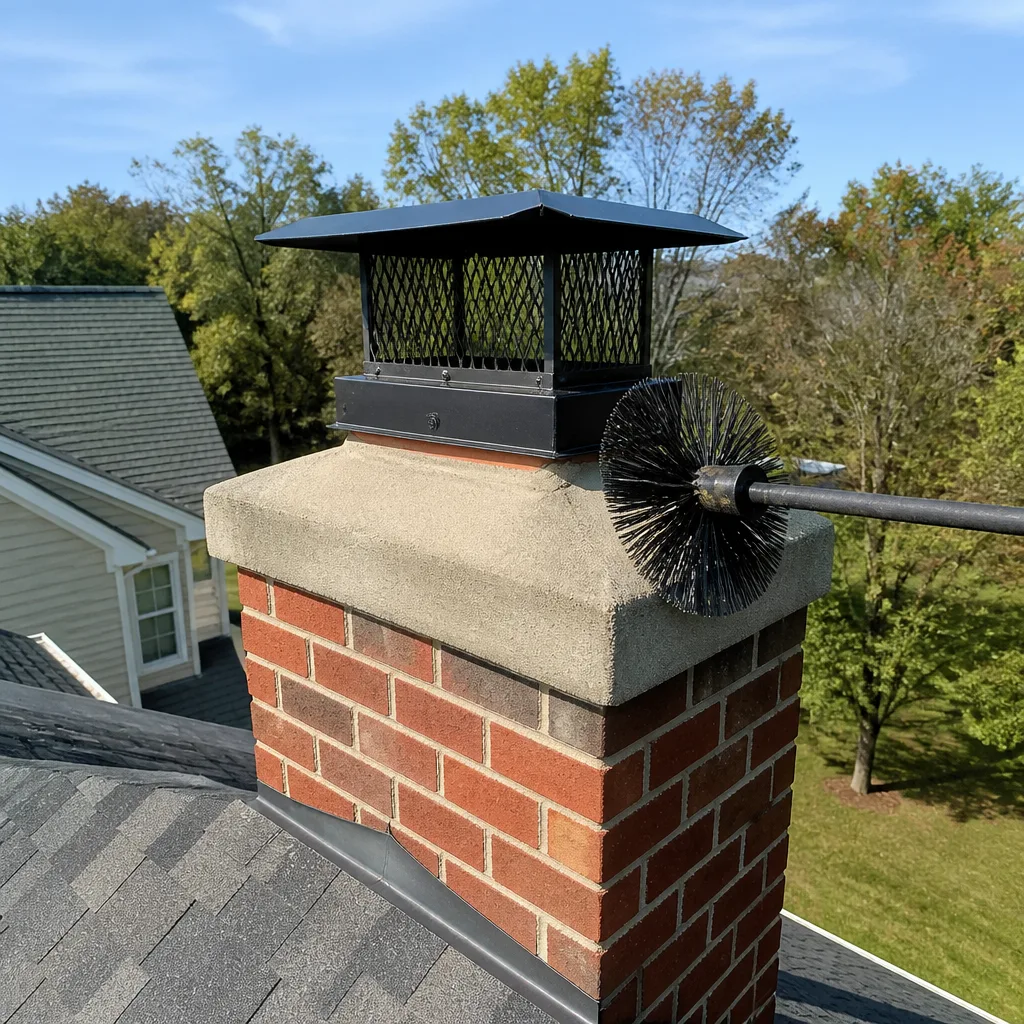 Sweep & inspection
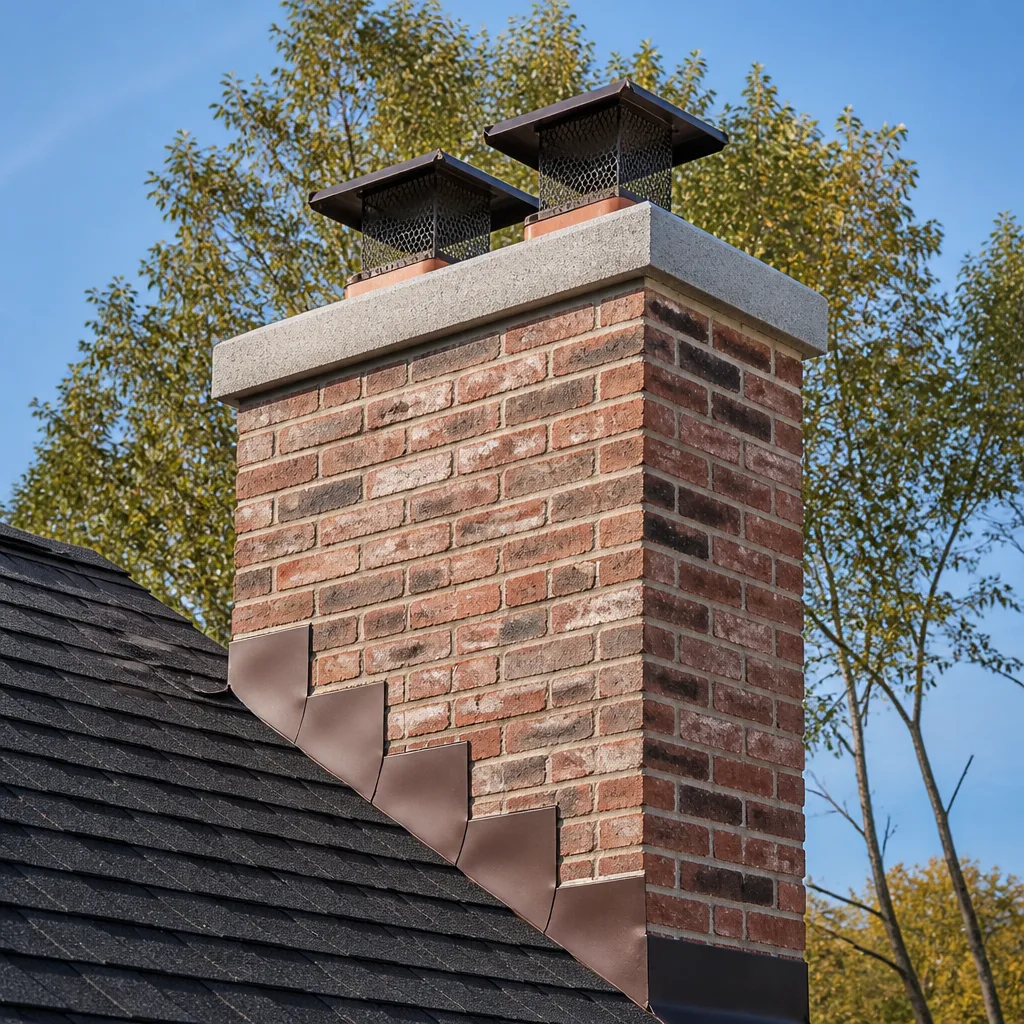 Caps & crowns
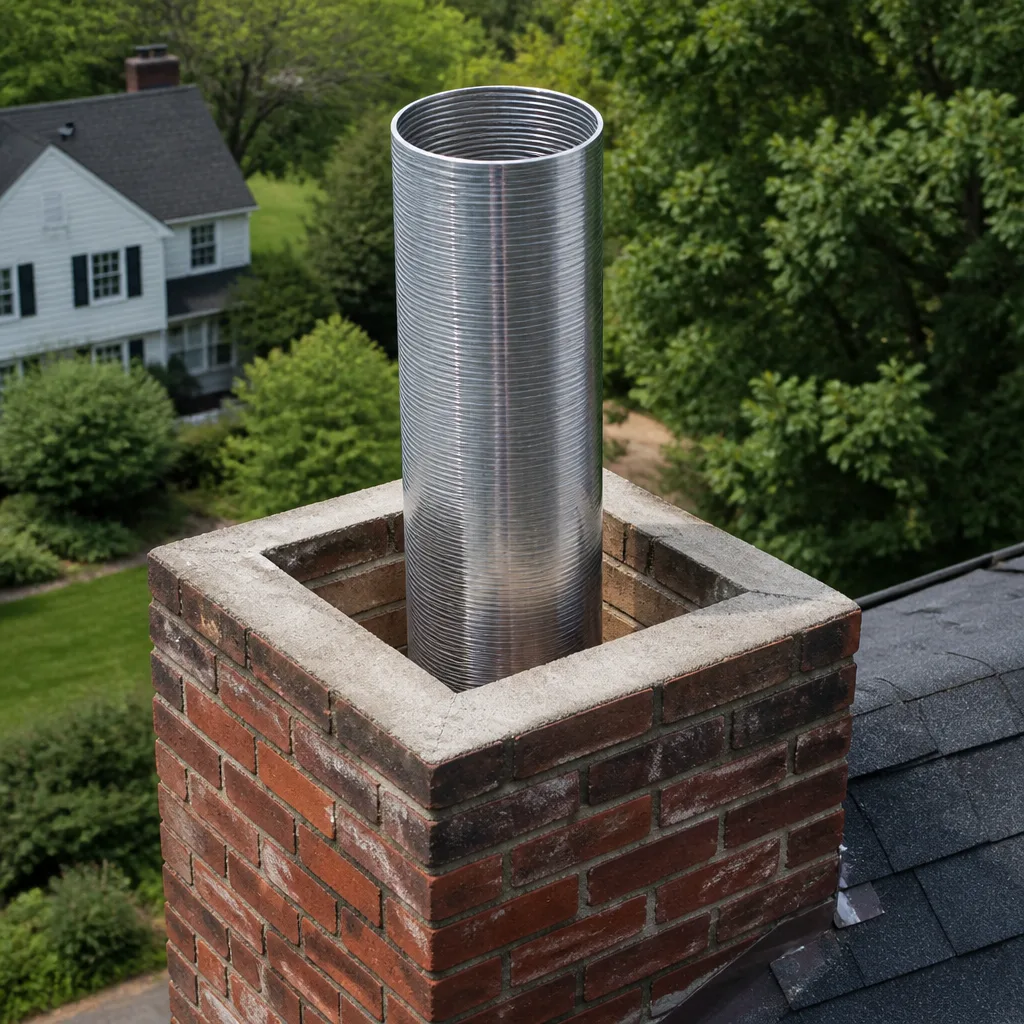 Flue relining
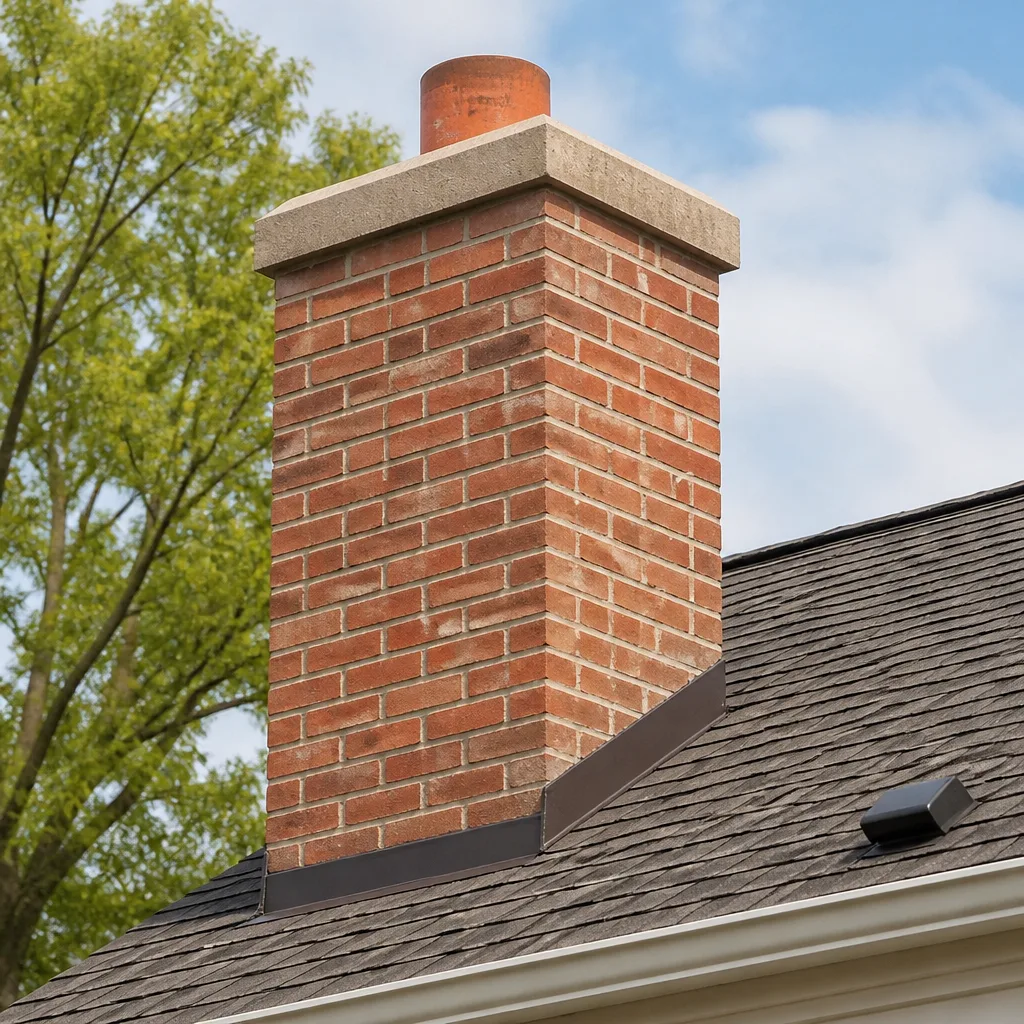 Masonry repair
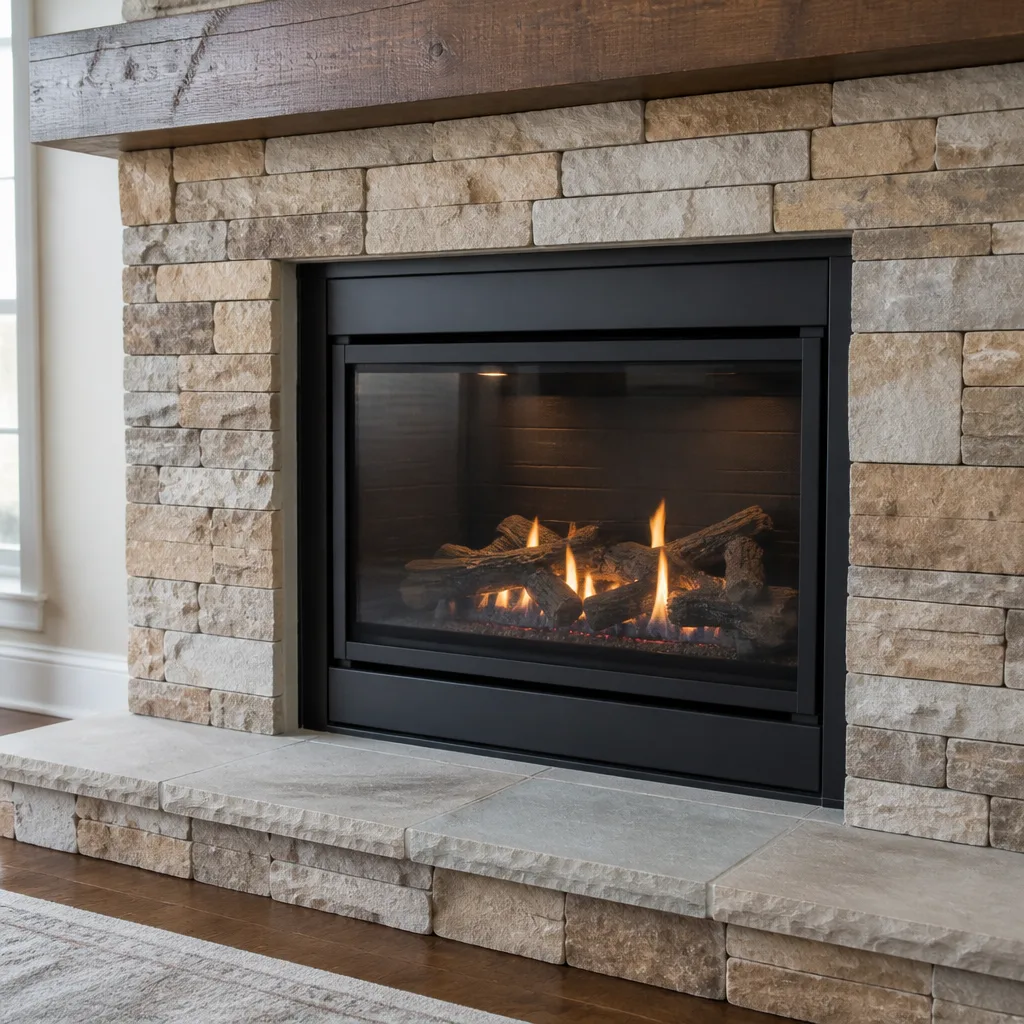 Gas fireplace service
Level 1 sweep and inspection to the NFPA 211 annual standard - flue, crown, cap, and flashing checked and photographed
Chimney sweep logs do not sweep chimneys. They loosen some creosote - which then falls where a brush and vacuum still have to collect it.
Chimney Cleaning Warning Signs: A McAllen Homeowner’s Reference Guide
A chimney fire announces itself loudly. But the conditions that cause it, especially in a McAllen home that burns only a few times a year, often show up quietly: a hairline crack across the crown, a rust stain bleeding down the brick, a faint sour smell from the firebox in August. These early signals are easy to miss because the Valley’s mild winters let months pass between fires, and the climate works on masonry between those burns. This guide covers the warning signs you can check from the ground, what each one actually means, and which signals mean call now versus call before the season. It’s written for homeowners who use a wood fireplace, gas insert, or vented appliance and want to know what’s happening inside the flue before it becomes a structural or fire-safety problem.
Quick Answer
Chimney cleaning warning signs in McAllen include cracked or missing crown mortar, rust stains on exterior brick, white efflorescence staining, smoke rolling back into the room, slow or smoky ignition, dropping draft, persistent odors from the firebox, and visible soot or creosote buildup at the damper. Any sign of smoke entering the living space, a strong chemical or burning smell with no fire lit, or loose masonry near the roofline means stop using the chimney and call a professional. Cosmetic wear and odor between seasons can usually wait for a scheduled appointment.
Styles & brands we work with
- Sweep & inspection
- Caps & crowns
- Flue relining
- Masonry repair
- Gas fireplace service
Table of Contents
- Visual Warning Signs You Can Check From the Ground
- What Firebox Odors Mean in a South Texas Home
- Draft Problems: Smoke Backing Up and Slow Ignition
- White Staining on Exterior Masonry: What It Tells You
- Emergency Signs vs. Signs That Can Wait
- Why the Valley’s Climate Accelerates Chimney Wear
- Creosote and the Infrequent-Burner Problem
- What a Professional Sweep Actually Checks
Visual Warning Signs You Can Check From the Ground
You can catch most serious chimney deterioration without ever climbing a ladder. Stand back from the house at ground level, ideally on a clear morning with the light behind you, and look at the chimney top, the brick or siding, and the roofline where the chimney meets the roof. These are the signs that matter and what each one points to.
- Cracked or crumbled crown mortar. The concrete or mortar cap at the very top of the chimney should be intact and slightly sloped. Vertical cracks wider than a hairline let rainwater into the flue structure, and in McAllen’s summer downpours that water gets in fast.
- Missing or displaced spark arrestor or cap. A cap that’s tilted, rusted through, or gone lets rain, birds, and squirrels into the flue. If you see a gap at the top, likely something is already living in there.
- Rust stains on brick or flashing. Orange or brown streaks usually mean the metal flashing at the roofline has failed, or the cap’s fasteners have rusted and are letting water track down the masonry.
- White chalky staining (efflorescence). Covered in its own section below, but from the ground it reads as a pale crust or bloom along the brick face.
- Spalling brick or flaking mortar joints. Brick faces that are popping off, or joints that crumble when you touch them, mean moisture and possibly a failing liner behind them.
- Tilted chimney. A chimney that visibly leans away from vertical is a structural problem and needs professional attention before the next burn season.
- Soot staining around the top rim. Heavy black staining at the crown can suggest the flue is undersized for what you’re burning, or that draft is weak.
If any of these appear, note the location and take a phone photo from the ground. That picture is exactly what a technician wants to see before arriving, because it tells us whether the visit is a sweep and inspection or a repair call.
What Firebox Odors Mean in a South Texas Home
Odors coming from the firebox when no fire is burning are one of the most underrated warning signs in this climate, and each smell points to a different cause. In a McAllen home where the fireplace sits unused for eight or nine months, the firebox becomes a still, humid space, and that’s exactly what certain problems love.
Here’s how to read the smells:
- Damp, musty, or earthy smell. Water is getting into the flue or the smoke chamber. In humid Valley summers, a failed crown or a hairline flashing leak can keep the flue damp for months, and damp masonry deteriorates faster than dry masonry.
- Sharp, sour, or acrid smell, sometimes described as burnt and pickled at the same time. This is often creosote, especially third-degree creosote that has glazed onto the flue walls. Creosote off-gasses in heat, which is why the smell gets stronger on warm days.
- Ammonia or animal smell, scratching sounds. Birds, squirrels, or bats have gotten into the flue. Droppings and nesting material are combustible and restrict draft.
- Smoky smell that worsens after rain. Draft is being compromised by moisture, or the flue liner has cracked and is leaking.
- Gas smell from a gas insert. This is different from chimney odor and calls for the gas appliance to be shut off and inspected by a qualified technician before any further use.
If you’re noticing any of these, treat it as a signal to schedule rather than a reason for alarm. The exception is a gas smell from an insert, which is a stop-and-call situation.
Draft Problems: Smoke Backing Up and Slow Ignition
Draft problems are the system telling you something is blocking the flow, and in McAllen they often show up in two specific ways: smoke rolling back into the room and fires that take a long time to catch. Both deserve attention because a chimney that doesn’t draft properly is a chimney that deposits creosote more heavily and can push combustion byproducts into the living space.
Here’s how a typical draft check goes when we visit a McAllen home:
- Light a small test fire and watch the smoke. It should rise up and out. If it lingers at the damper or drifts into the room, draft is compromised.
- Check the damper operation. A damper that sticks or doesn’t open fully restricts airflow, which is sometimes the entire answer and sometimes a symptom of a debris blockage.
- Look up the flue for visible blockage. Nesting material, a fallen brick, or a collapsed liner section are all common finds.
- Evaluate the smoke chamber. A rough, oversized smoke chamber makes smoke tumble before it exits, which is often why a fire that looks fine ends up smoking into the room.
- Confirm the liner is continuous and correctly sized. A cracked or displaced clay tile liner changes how the flue draws, and a liner that’s too large for the appliance is a frequent hidden cause of slow ignition.
Two factors make draft worse here. First, homes in McAllen tend to be tight, which means the house itself is competing with the chimney for air. Second, warm outside temperatures mean a chimney that’s relatively cool, which weakens draft, especially during the shoulder months. Neither of those is a fault in the chimney, but they make existing blockage or damage worse.
White Staining on Exterior Masonry: What It Tells You
White, chalky staining on the exterior brick of a chimney is efflorescence, and it’s the most reliable visible clue that moisture is moving through the masonry from the inside out. It forms when water dissolves salts within the brick or mortar and deposits them on the surface as it evaporates. Efflorescence on its own isn’t a fire hazard, but it’s a sign of a moisture problem you want to understand.
Here’s what to look at:
- Efflorescence that appears then fades. Usually seasonal, tied to humid stretches and rain, and worth monitoring but rarely urgent.
- Efflorescence that’s persistent or growing. A sign that the crown, flashing, or cap has been letting water in for a while.
- Efflorescence accompanied by spalling. Brick faces popping off is a step further than efflorescence and points to persistent saturation.
- Efflorescence inside the firebox or smoke chamber. Not visible to most homeowners, but something a sweep will note. Interior efflorescence suggests water is tracking down the flue.
When we see efflorescence on a McAllen chimney, the recommendation is usually to inspect the crown and flashing first, correct the water entry point, and then reassess whether the liner has been compromised. Sometimes the answer is a crown repair and a sweep. Sometimes it’s liner work. We don’t quote one without knowing which.
Emergency Signs vs. Signs That Can Wait
Not every warning sign is an emergency, and knowing which is which keeps homeowners from panicking over cosmetic wear and from waiting on something that shouldn’t wait.
Call now and stop using the chimney if you see:
- Smoke coming into the room persistently when a fire is burning.
- A strong chemical or sulfur smell with no fire lit, or a gas smell from a gas insert.
- Visible fire or glowing in the flue, or a roar from the chimney that sounds like a freight train (a chimney fire). If a chimney fire is suspected, get everyone out, call the fire department, and don’t use the chimney afterward until it’s been inspected.
- Loose brick, missing mortar, or a section of chimney that’s visibly tilted or has fallen.
- Carbon monoxide alarms triggering.
Schedule an appointment if you see:
- Efflorescence staining without other symptoms.
- Mild creosote odor between burns.
- Slow ignition or light smoke when first lighting a fire.
- Rust stains that haven’t grown.
- Soot buildup that isn’t heavy.
- A damper that’s mildly stiff.
Anything that fits the second list should still be looked at before the next burning season, not pushed indefinitely. Creosote and moisture damage that get months to work are worse than the same problems caught early. Call Chimney Sweep McAllen. We answer 24/7. Fast dispatch from 7am to 7pm, Sunday through Friday.
Why the Valley’s Climate Accelerates Chimney Wear
Mild winters are easier on the homeowner but not on the chimney. Southern Hidalgo County’s climate gives you two things a chimney dislikes: heavy rain concentrated in short stretches, and long stretches of humid, warm air that let moisture sit inside masonry for weeks. Combined with an infrequent-fire habit, that’s a recipe for slow, quiet deterioration between burn seasons.
Here’s what actually happens to a McAllen chimney across a year:
- Winter: short, mild, and often the only time the fireplace runs. Fires may be small and spaced out, so creosote deposits accumulate slowly but are rarely swept.
- Spring and summer: the fireplace sits dormant. Rain works on the crown and flashing. Humidity seeps into masonry joints. Odors from creosote and moisture build up inside the closed firebox.
- Fall: the first fire of the season is often when warning signs become obvious. That’s when smoke backdrafts and odors get noticed, but the conditions were building for months.
Because the annual wet cycle here is aggressive, the check-from-the-ground list above is worth doing every year, ideally in fall before the first fire. If anything looks off, a chimney sweep with a camera inspection tells you whether it’s cosmetic or structural. It’s a small job to check; it’s a bigger job to repair. And it’s worth remembering the whole home’s combustion system includes the dryer vent. A dryer vent cleaning is the same kind of quiet-safety check on a different exhaust line.
Creosote and the Infrequent-Burner Problem
Infrequent burning makes creosote sneakier, not safer. Fires that get lit two or three times a season and burn small, cool, or green wood deposit creosote more slowly than a daily-burner, but they deposit the same creosote and often get swept less often because the homeowner assumes “we haven’t burned much.” That assumption is where problems hide.
Creosote comes in stages, and each one matters differently:
- First stage: sooty, fluffy, easy to brush. Typical after a few fires with decent dry wood. Sweepable.
- Second stage: crusty, flaky, harder to remove. Builds with repeated small fires or any use of damp wood. Needs a proper sweep with the right tools.
- Third stage: glazed, hard, tar-like. This is the fire-risk stage, and it’s the one that needs professional attention because brushing alone won’t remove it.
The warning signs of third-stage creosote are a sour smell, visible black glassy coating at the damper (if you can see it), and an unusually hot or roaring fire. If any of those appear, treat it as a priority.
For structural problems, professional-grade materials make the difference between a fix and a patch. We install DuraFlex flexible liners, which are built for flues that don’t have a clean, uniform shape. We also apply HeatShield resurfacing, which lets us restore a deteriorating flue liner without a full replacement in the right conditions. Brands like Copperfield and Gelco cover the fittings and venting components that make the system whole. We name the brands we install because you deserve to know what’s in your chimney.
What a Professional Sweep Actually Checks
A proper sweep is a full-system check, not just a brushing. When we sweep a McAllen chimney, this is what the visit covers:
- Exterior visible check from the ground and the roofline. Crown, cap, flashing, brick, and mortar joints, plus the efflorescence and staining covered above.
- Firebox and damper inspection. Damper operation, firebox cracks, and evidence of water or animal intrusion.
- Flue sweep. Brushing from the top or bottom as appropriate to remove soot and creosote buildup.
- Camera inspection. A borescope through the flue to look for cracks in the tile liner, gaps at joints, and third-stage creosote you can’t see from outside.
- Smoke chamber and throat check. The transition area between firebox and flue is where a lot of draft problems hide.
- Photo report. Pictures of what we found, delivered to you so you can see what we saw. Nothing is recommended without camera evidence you can see for yourself, and we say plainly when work can safely wait.
- Written estimate for any recommended work. Flat-priced and agreed before anything is booked. Estimates are free.
We handle sweeping, structural repair, and dryer vent cleaning under one crew, which matters because the exhaust paths in a home are connected systems. Chimney, gas insert venting, and dryer venting each move combustion byproducts or hot, lint-laden air out of the house, and a problem in one often points to a question about the others. A McAllen homeowner shouldn’t have to coordinate three contractors to answer one safety question.
Common Mistakes to Avoid
- Assuming “we’ve barely burned” means no sweep is needed. Infrequent use still deposits creosote, and the mild climate here gives moisture and odor problems months to develop between burns.
- Burning unseasoned or damp wood to use up what’s stacked. Wet wood produces more creosote and less heat, which is the worst combination for a flue.
- Treating efflorescence as a paint problem. Painting over white staining traps moisture and hides the water-entry symptom without fixing the crown or flashing that’s letting it in.
- Running the dryer without checking the vent because “it still dries.” A dryer vent that hasn’t been cleaned still works right up to the point where lint buildup becomes a fire hazard. It’s the same quiet-failure pattern as creosote.
- Skipping the camera inspection to save time. A brush-only sweep can leave a cracked tile liner undocumented, and a cracked liner is a fire pathway.
- Reaching for off-brand or handyman-sourced venting parts. Brand and rating matter in venting components. We install DuraFlex, HeatShield, Copperfield, Gelco, and similar professional-grade products because a mystery part in a combustion system is not worth the savings.
- Doing cosmetic chimney repairs without addressing what’s underneath. Parging a crack without checking for liner damage is the kind of fix that fails quietly a season later.
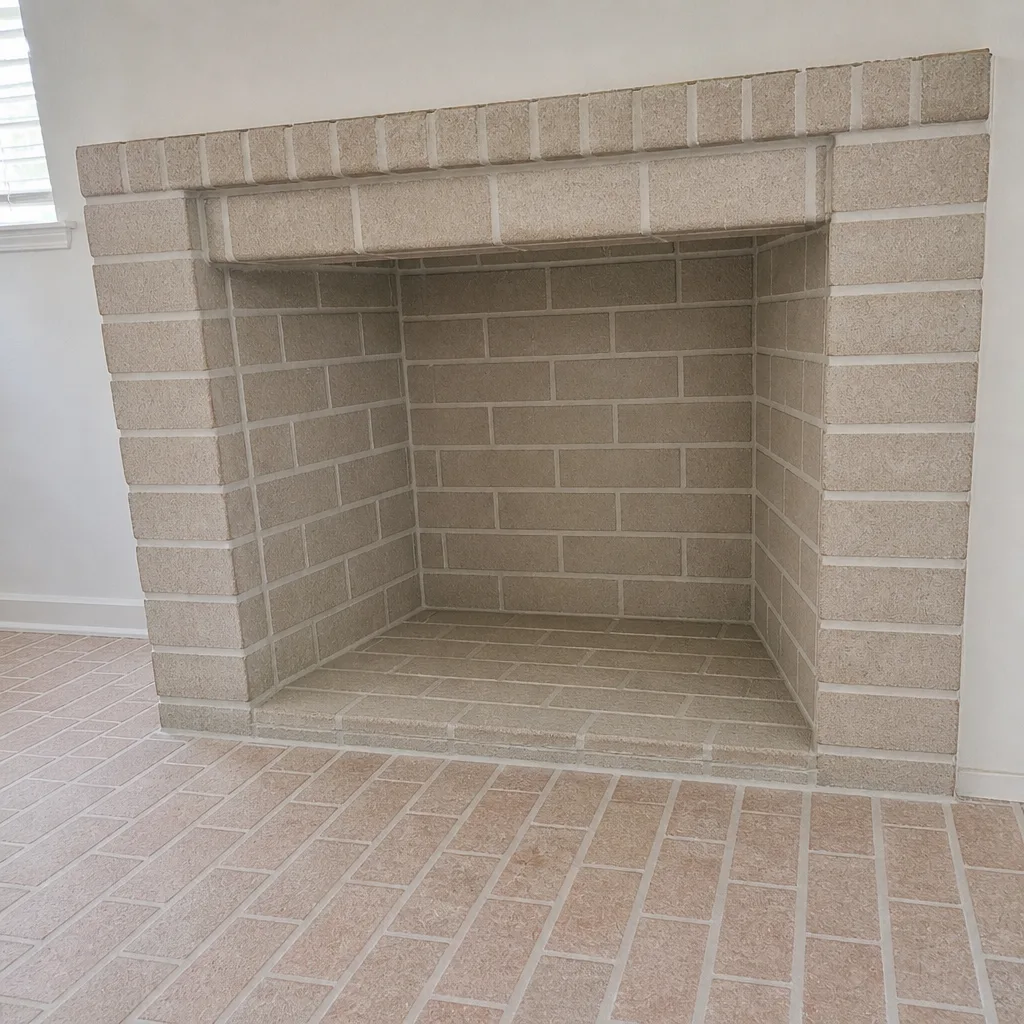
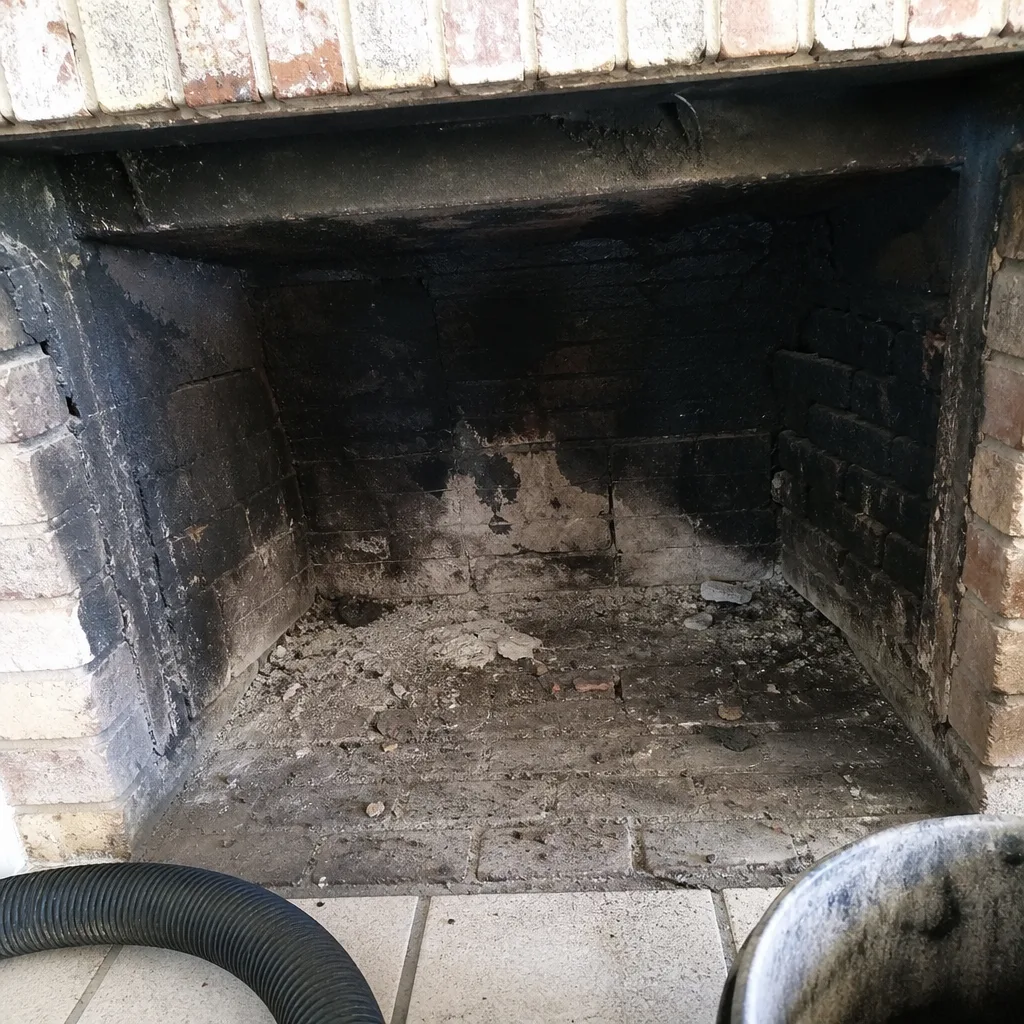
See the difference
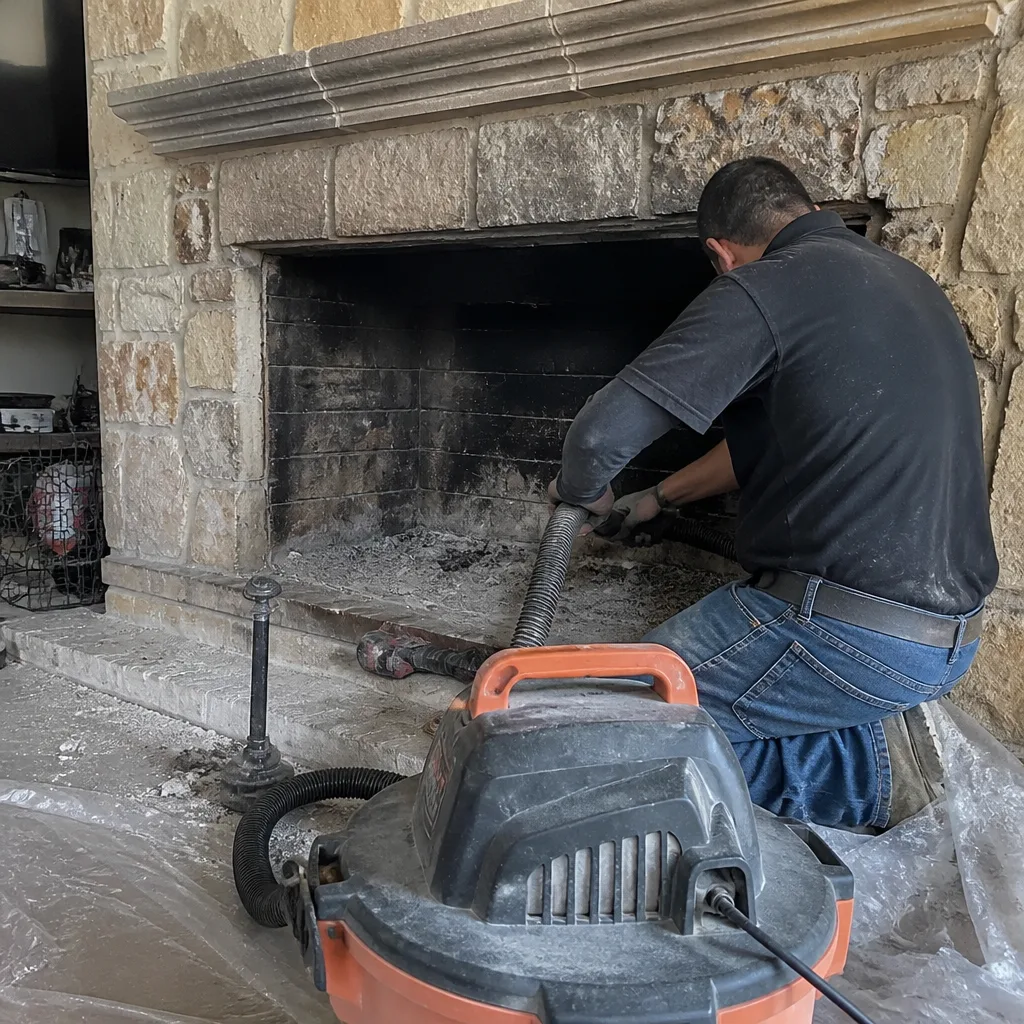 Before
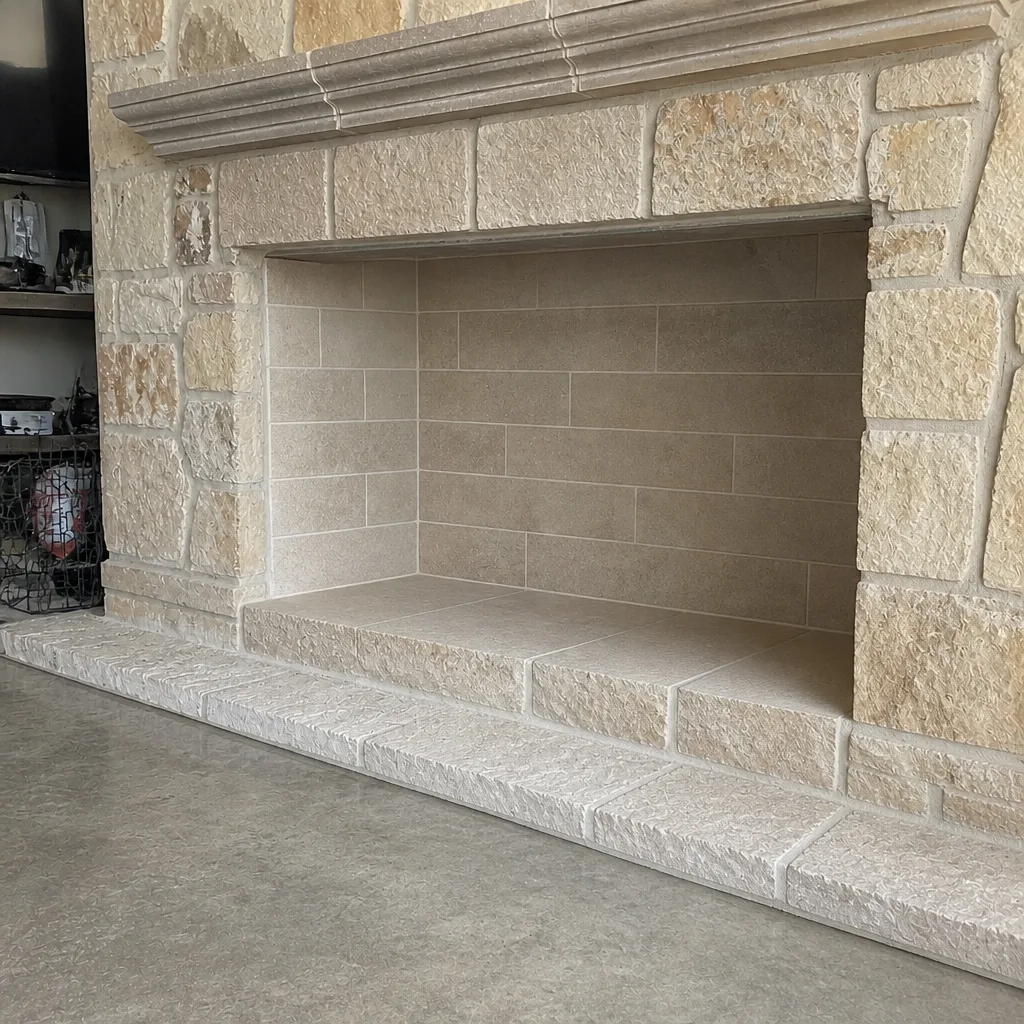 After
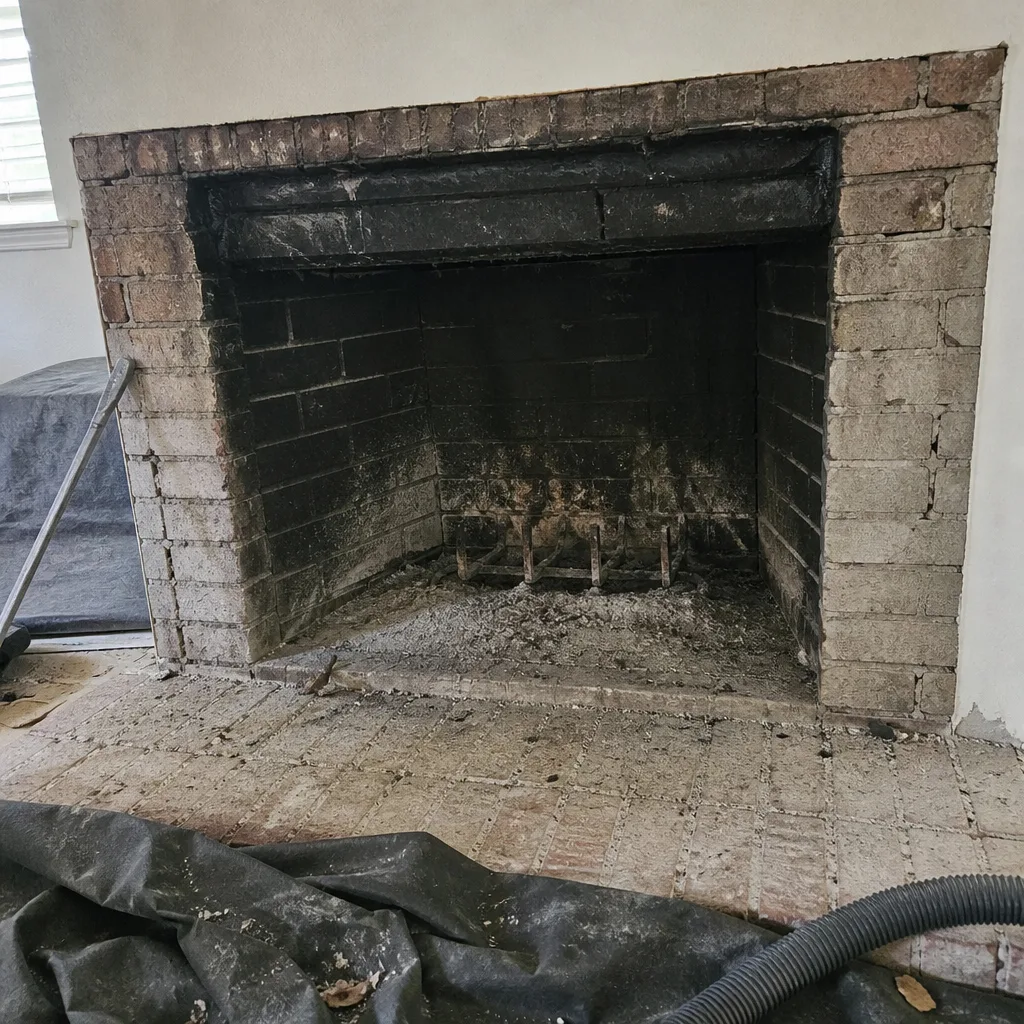 Before
 After
 Before
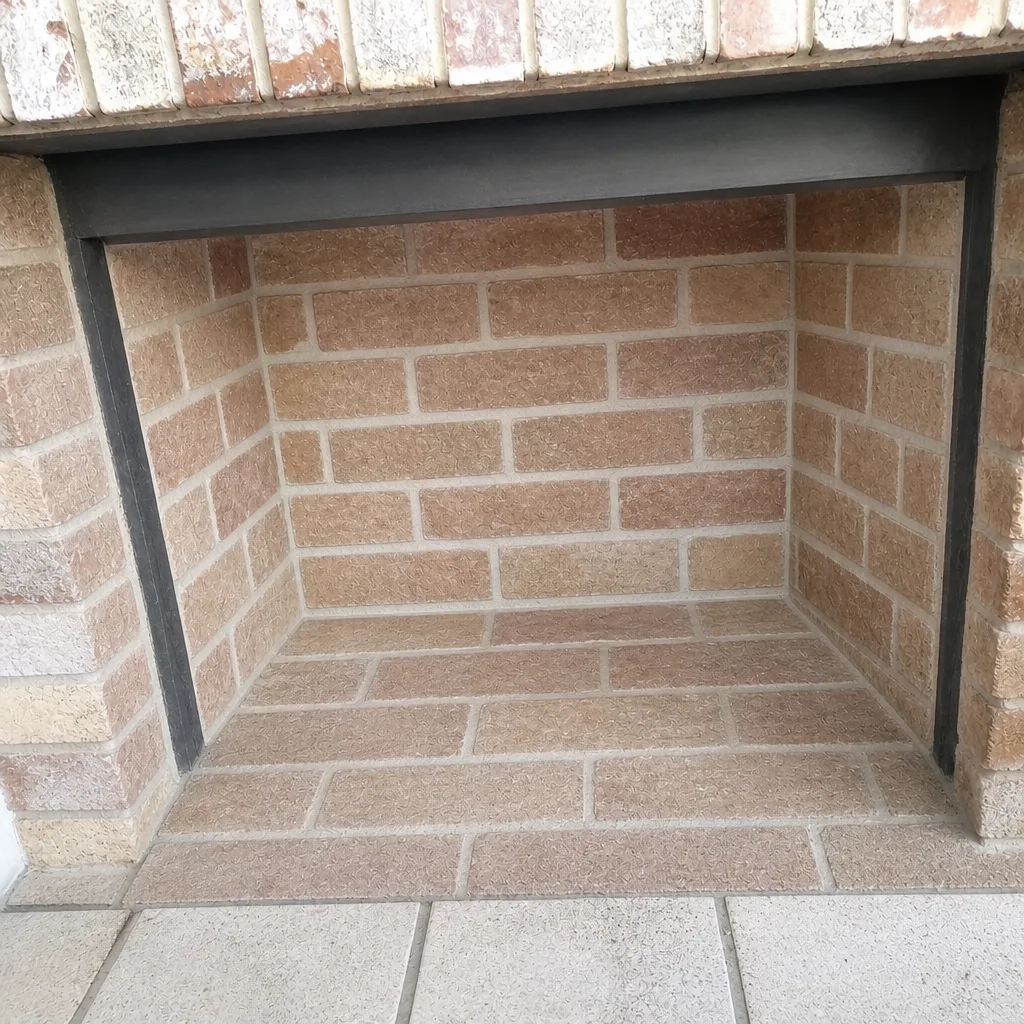 After
When to Call a Professional
Call a professional if you see smoke rolling into the room, a strong chemical or gas smell with no fire lit, loose or missing masonry near the roofline, carbon monoxide alarms, or anything that looks like a chimney fire aftermath. Those are stop-use situations, not next-month situations. Also call if you’re seeing efflorescence that’s spreading, persistent odors from the firebox, or slow ignition and backdraft on the first fire of the season. Those are more likely to be “schedule this fall” calls than emergencies, but they deserve a look before burning season rather than after. Chimney Sweep McAllen offers free estimates in McAllen. Call (866) 566-0403. We answer 24/7. Fast dispatch from 7am to 7pm, Sunday through Friday.
Frequently Asked Questions
Once a year if you burn regularly, and at minimum before each burning season if you burn intermittently. Because winters here are mild, many McAllen homes burn in short bursts, which means creosote builds slowly but rarely gets swept on a schedule. An annual check-from-the-ground walk and a professional sweep before the first fire of the season is the simplest routine.
Basic sweeping of light soot and first-stage creosote is something some homeowners attempt, but a professional sweep covers the camera inspection, the smoke chamber, and the crown and flashing checks that a brush alone won’t find. If you suspect a cracked liner, third-stage creosote, or structural damage, don’t attempt it yourself. The risk of a missed problem is greater than the savings from a sweep.
Smoke backing into the room means draft is being blocked or compromised. Common causes include a debris or nesting blockage, a partially closed or sticking damper, a cracked liner, or a smoke chamber that’s routing smoke poorly. In McAllen, tight modern homes and warm outside temperatures also weaken draft. Stop using the chimney and have it checked with a camera inspection before lighting another fire.
Efflorescence itself isn’t a fire hazard, but it’s a sign that water is moving through the masonry. Where that matters is if the moisture is also reaching the flue liner and degrading it. Persistent staining alongside cracked crown mortar or missing flashing is worth a professional inspection, because the liner condition is what determines whether the staining is cosmetic or structural.
A damp, musty smell in summer usually points to moisture in the flue or smoke chamber, and in this climate that’s often a crown or flashing leak that’s had months to work. A sharp, sour, or acrid smell is more likely creosote off-gassing in the heat. Neither is a reason to panic, but both are worth a scheduled visit before the next burning season. Call (866) 566-0403 for an exact quote, and estimates are free.
Sometimes yes. HeatShield resurfacing is applied to the interior of the flue and can restore a deteriorated liner without full replacement when the damage and the liner geometry fit the criteria. A camera inspection is the only way to know if the flue is a candidate. If the flue interior is irregular or the tile is beyond resurfacing, a DuraFlex flexible liner is often the right answer. We’ll show you the photos and explain which applies, and tell you plainly if no work is needed yet.
The Bottom Line
The warning signs that matter most on a McAllen chimney between burn seasons are the quiet ones: hairline crown cracks, rust stains on flashing, efflorescence that’s spreading, sour or musty odors from the firebox, and slow or smoky ignition at the first fire of fall. Any hint of smoke in the living space, a chemical or gas smell with no fire lit, loose masonry, or carbon monoxide alarms is a stop-use call. Everything else usually waits for a scheduled appointment, with a camera-verified inspection and a written estimate before anything gets done. Check from the ground once a year before the first fire, keep your dryer vent on the same schedule, and call a specialist rather than patch over what you find. That’s the whole discipline, and it works.
Call (866) 566-0403 for a free estimate. We answer 24/7. Fast dispatch from 7am to 7pm, Sunday through Friday.
Written by the team at Chimney Sweep McAllen.