
Last updated November 14, 2026
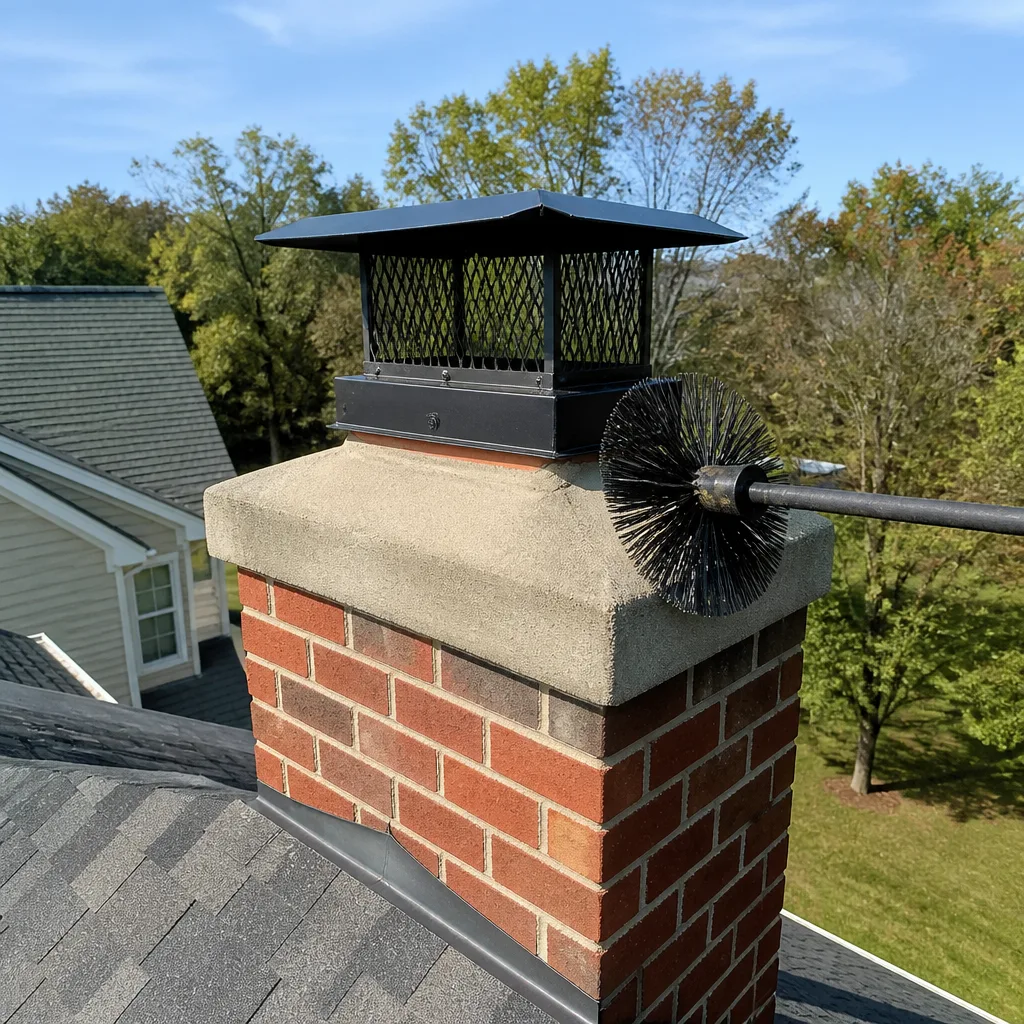 Sweep & inspection
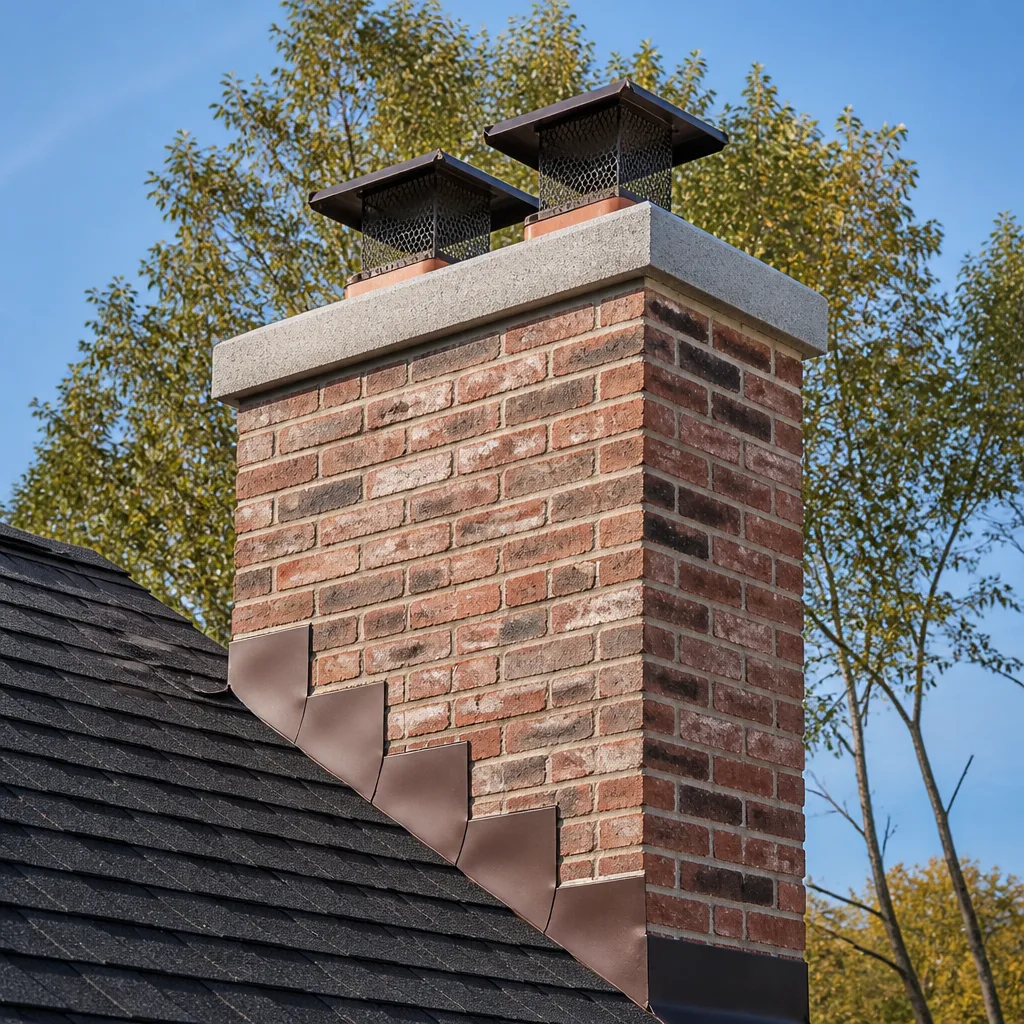 Caps & crowns
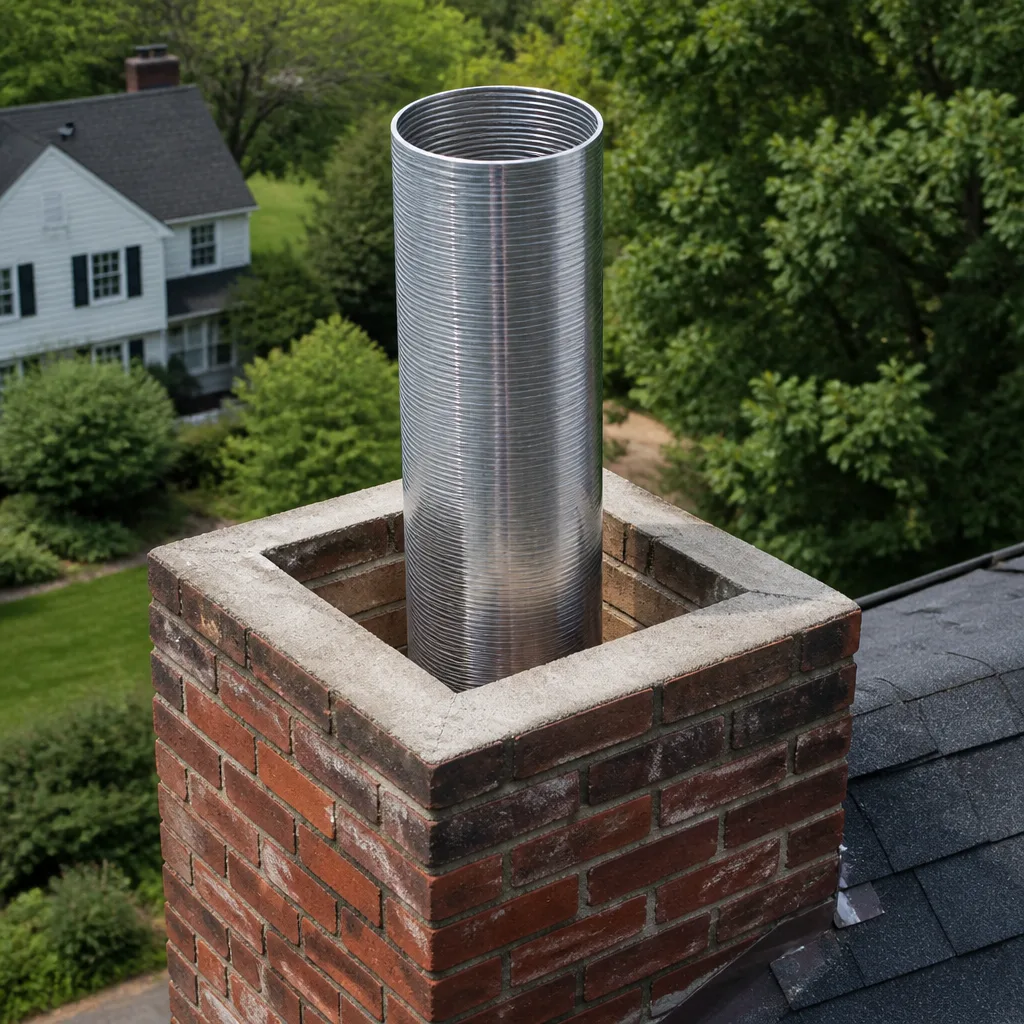 Flue relining
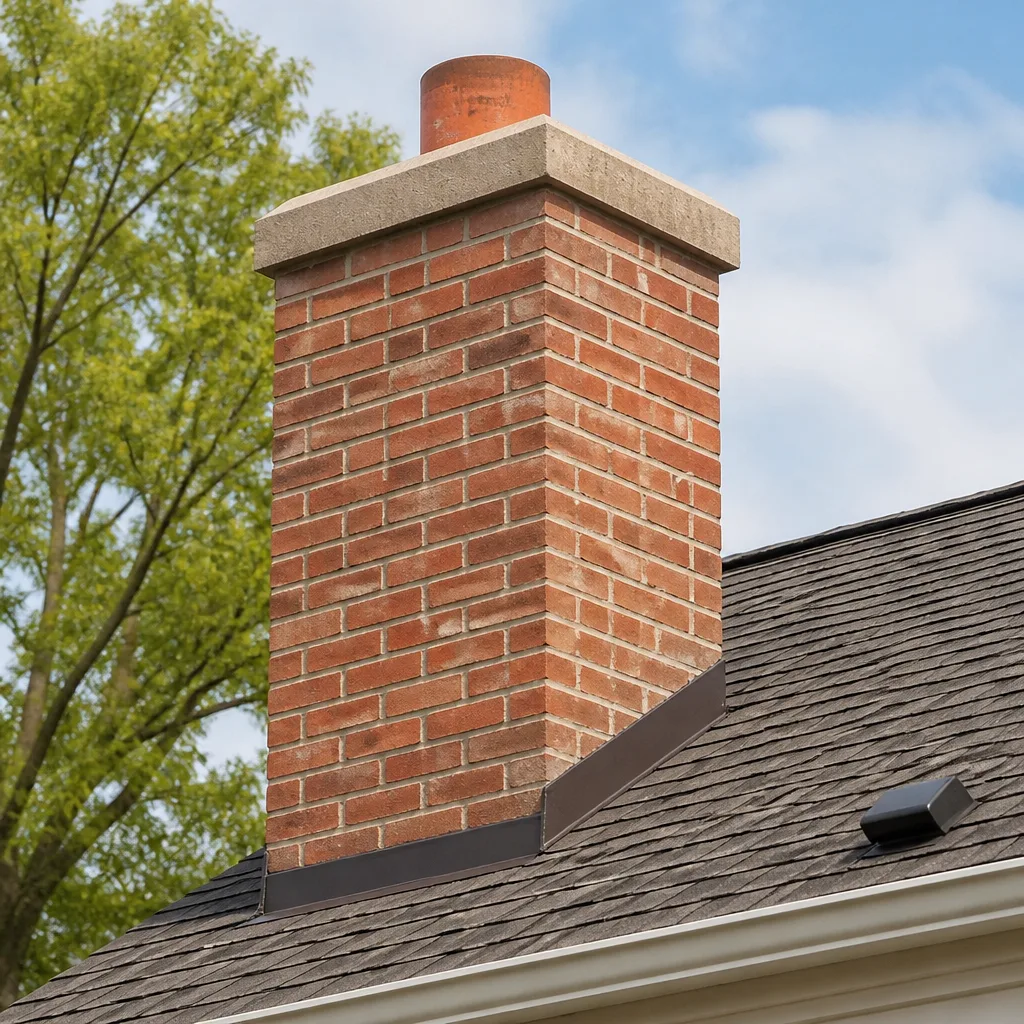 Masonry repair
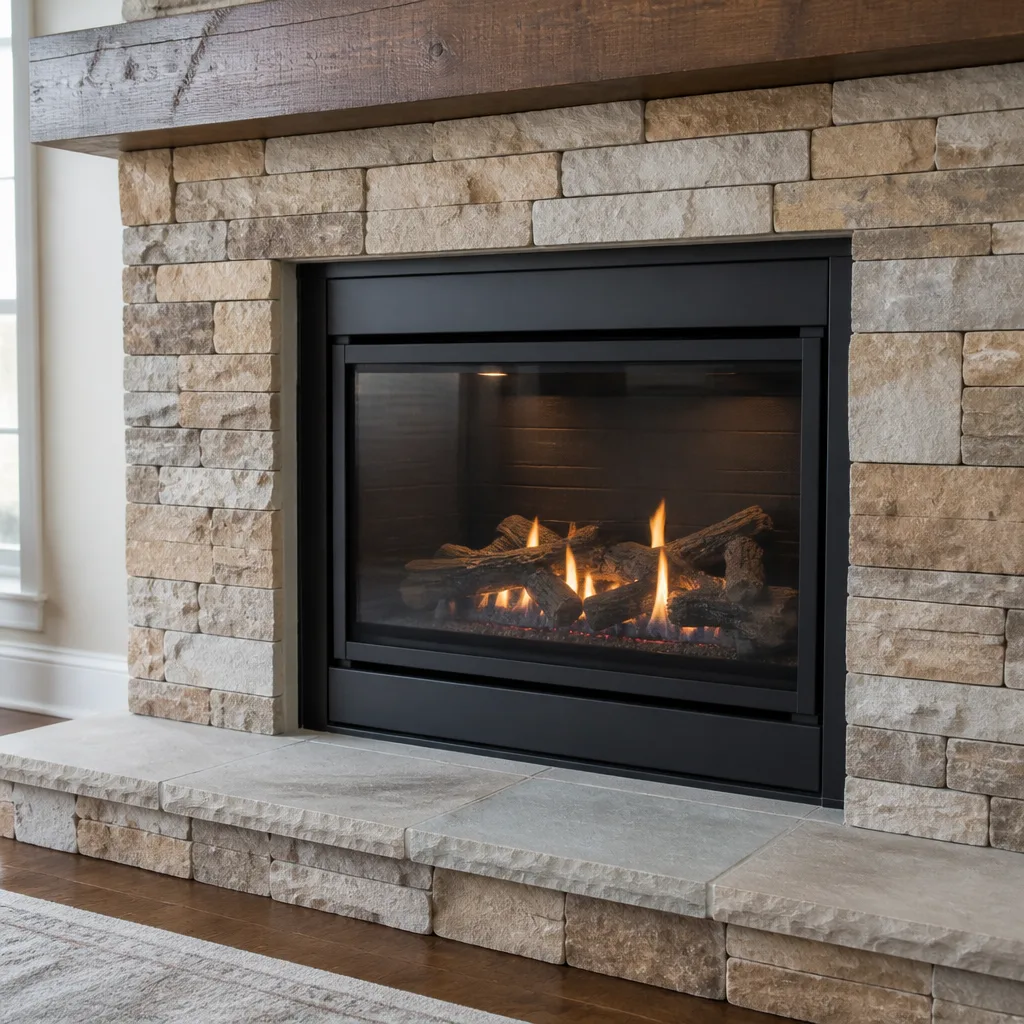 Gas fireplace service
Level 1 sweep and inspection to the NFPA 211 annual standard - flue, crown, cap, and flashing checked and photographed
Chimney sweep logs do not sweep chimneys. They loosen some creosote - which then falls where a brush and vacuum still have to collect it.
Chimney Sweep Troubleshooting in McAllen: Common Problems and How to Fix Them
A smoky fireplace isn’t always a dirty chimney. Sometimes it’s a collapsed flue tile, a blocked rain cap, or negative air pressure pulled by your HVAC system. That distinction matters because sweeping the wrong problem doesn’t fix it, and it can leave a real hazard in place. In our experience working chimneys across McAllen, the same handful of root causes keep showing up, and most of them trace back to South Texas conditions: humidity that eats mortar joints, desert dust that packs into flues, and long stretches of non-use that let animals move in unnoticed. This guide walks you through the symptoms, what each one usually points to, and which fixes you can handle yourself versus which need a trained technician.
Quick Answer
Most chimney problems in McAllen come down to a short list of causes: creosote or dust buildup restricting the flue, a failed or missing rain cap, deteriorating mortar from humid air, animal intrusion during months of disuse, or a liner that needs resurfacing or replacement. The symptom tells you which one you’re dealing with. Smoke rollback points to pressure or blockage, odor points to creosote or animals, and crumbling material in the firebox points to moisture damage in the masonry. Diagnosing the symptom before you call saves time and prevents unnecessary work.
Styles & brands we work with
- Sweep & inspection
- Caps & crowns
- Flue relining
- Masonry repair
- Gas fireplace service
Table of Contents
- Which Symptom Points to Which Root Cause?
- Why Humidity Accelerates Mortar Failure in McAllen
- Animal Intrusion vs. Creosote Buildup: How to Tell the Difference
- What You Can Fix Yourself and What Needs a Technician
- Liner Problems: HeatShield Resurfacing vs. DuraFlex Relining
- What to Document and Photograph Before We Arrive
- Dryer Vents: The Overlooked Fire Hazard in the Same System
- Preventing the Next Problem
Which Symptom Points to Which Root Cause?
Smoke behavior is the most useful diagnostic clue you have, and it’s the one homeowners describe least accurately when they call. Three symptoms get confused constantly: smoke rollback, downdraft, and blockage. Each points to a different problem, and each needs a different fix. Learning to tell them apart takes about five minutes and can save you from paying for a sweep that doesn’t solve anything.
Smoke rollback happens when the fire is burning fine and then smoke spills into the room instead of going up the flue. That’s almost always a pressure problem, not a dirty chimney. Modern McAllen homes are tightly sealed, and a kitchen exhaust fan or a running HVAC system can pull more air out of the house than the chimney can replace. The flue loses the pressure battle and the smoke comes back inside. Cracking a window near the fireplace and seeing the smoke correct itself is the tell.
Downdraft looks similar but happens before the fire is established, especially on windy days or when the chimney is cold. Cold air sits in the flue and pushes down into the room until the flue warms up. A pre-warm with a rolled newspaper held near the damper usually solves it. If downdraft persists after the flue is warm, the chimney height or cap is likely the issue.
Blockage is the one to take seriously. If smoke won’t go up at all, or the fire struggles from the start, something is physically in the way: a bird nest, a collapsed tile, heavy creosote, or a stuck damper. Blockage is a fire and carbon monoxide risk, and it’s the symptom that should prompt a call rather than a workaround.
- Smoke only when the HVAC or exhaust fan runs: pressure problem, check ventilation balance first.
- Smoke on startup, clears once warm: cold-flue downdraft, pre-warm before lighting.
- Smoke won’t clear at all, fire struggles: blockage, stop using the fireplace and call.
- Smoke and a burning smell together: creosote ignition risk, stop using and call.
Why Humidity Accelerates Mortar Failure in McAllen
McAllen’s humid air is the quiet cause behind a lot of masonry damage we diagnose. Mortar is porous. It absorbs moisture from the air and releases it slowly, and in a climate where the air stays heavy most of the year, that cycle runs constantly. The joints between the clay flue tiles and the surrounding brick take the worst of it. Over time the mortar softens, cracks, and crumbles, and once it starts failing, water finds the gaps and the damage accelerates.
From inside the firebox, failing mortar looks like sand or grit collecting on the smoke shelf, white chalky staining on the brick, or visible gaps between the flue tiles when you look up with a flashlight. From outside, it shows as missing or recessed joints in the chimney crown or the brick stack. Homeowners often mistake the grit in the firebox for ash and sweep it away without realizing it’s masonry falling apart above them.
This is where the materials we work with matter. HeatShield is a resurfacing system applied to the inside of a deteriorating flue, and it restores the liner’s integrity without the cost of tearing out and replacing the whole thing. It requires trained application and a proper assessment first, which is why it isn’t something a general handyman can offer. When the damage is further along and the flue tiles are cracked or displaced, a chimney sweep inspection with a camera will show whether resurfacing is still viable or whether a full reline is the honest answer. We don’t guess on this. We show you the camera footage and explain what it means.
Worth knowing: not every crumbling joint means a liner replacement. Sometimes the fix is a crown repair and repointing, which is far less expensive. The camera tells the difference, and the written estimate tells you the price.
Animal Intrusion vs. Creosote Buildup: How to Tell the Difference
Birds and squirrels treat an unused chimney as a ready-made nesting site, and in McAllen, where fireplaces often sit idle through the warm months, the window for intrusion is long. The confusing part is that animal intrusion and creosote buildup produce overlapping symptoms: odor, restricted draw, and debris. Homeowners often assume creosote when the real problem is a nest, or assume animals when the flue is simply loaded with soot.
Here’s how to separate them:
- Smell. Creosote smells like burnt wood and tar, strongest on warm, humid days when the flue draws poorly. Animal nests smell organic and musty, and the odor often appears suddenly rather than building over a season.
- Sound. Scratching, flapping, or chirping from the chimney means animals, full stop. Stop using the fireplace immediately and call; a nest in the flue is a blockage and a fire risk.
- Debris in the firebox. Twigs, dried grass, feathers, or nesting material are a clear animal sign. Fine black flakes or a shiny, tar-like coating on the damper are creosote.
- Draw restriction. Creosote buildup restricts flow gradually, worsening over the season. A blocked flue from a nest restricts flow all at once.
- Cap condition. A missing or damaged rain cap is the open door animals use. If your cap is gone, the flue has been exposed, and a Copperfield cap replacement is the fix once the flue is cleared.
We install and service recognized industry brands for exactly this reason: a proper cap on a properly sized flue is what keeps animals out, and it’s a small job compared to the damage a blocked flue can cause. When we clear a nest, we check the cap and the crown in the same visit, because the intrusion happened for a reason.
What You Can Fix Yourself and What Needs a Technician
Some chimney problems are genuinely homeowner-fixable, and we’d rather tell you that than sell you a service call you don’t need. Others look simple and aren’t. The line between the two is clear once you know where it sits.
Reasonable to handle yourself:
- Pre-warming a cold flue with a rolled newspaper to stop startup downdraft.
- Cracking a window near the fireplace to relieve negative pressure during a fire.
- Removing ash from the firebox once the fire is fully out and cold.
- Visual checks of the cap and crown from the ground with binoculars.
- Booking a sweep before burning season rather than after the first smoky fire.
Needs a trained technician:
- Replacing a rain cap. It looks straightforward, but it’s height work on a roof edge, and a cap sized wrong restricts the flue or invites more intrusion. A Copperfield cap installed correctly is a small job for a trained technician and a real risk for a homeowner on a ladder.
- Any liner work. HeatShield resurfacing and DuraFlex relining both require assessment, sizing, and trained application. Getting this wrong is a fire hazard, not an inconvenience.
- Anything involving a blockage, animal nest, or persistent smoke problem.
- Masonry repair, crown repair, and repointing.
- Any gas appliance venting question. Gas work is not a DIY category.
The honest rule: if the fix involves getting on the roof, opening the flue, or touching anything that carries combustion gases, it’s a technician’s job. If it involves airflow in the room or routine ash cleanup, it’s yours.
Liner Problems: HeatShield Resurfacing vs. DuraFlex Relining
Liner decisions are where homeowners get the most upsold and the most confused, so let’s be plain about how the two main options differ. Both are legitimate fixes for genuine problems. The question is which one your flue actually needs, and the only honest way to answer that is with camera evidence.
HeatShield resurfacing restores a flue liner that has deteriorated but is still structurally intact. The system is applied to the inside of the flue, filling and smoothing the damaged joints and rebuilding a continuous, protected surface. It’s typically the right answer when the clay tiles are still in place but the mortar between them has eroded. It costs less than full replacement and preserves the existing structure. It requires trained application and a proper assessment to confirm the liner is a candidate.
DuraFlex relining is the answer when the existing liner is cracked, displaced, or too irregular to resurface, or when an older flue was never properly lined for the appliance now connected to it. DuraFlex flexible liner systems are built for the flue you actually have, not the perfect one, and they handle irregular interiors and outdated clay tile systems that rigid liners can’t. This is a bigger job, and it should be. It’s also the right job when resurfacing isn’t honest.
Here’s what we tell every homeowner facing a liner recommendation:
- Ask to see the camera footage. Not a description of it.
- Ask why resurfacing won’t work if a full reline is recommended. If the answer is vague, get a second opinion.
- Ask what happens if you wait a season. Sometimes the answer is “nothing, it can wait.” Sometimes it’s “no.” Both are useful.
- Get the recommendation in a written estimate, with the materials named. We specify HeatShield, DuraFlex, Gelco, Olympia Chimney, and Famco by name because you deserve to know what’s going into your chimney.
One more thing worth saying plainly: nothing on this page requires you to decide today. A liner recommendation that can’t survive a week of you thinking it over wasn’t a solid recommendation.
What to Document and Photograph Before We Arrive
Good documentation shortens diagnosis and cuts the guesswork that leads to upselling. You don’t need special equipment. You need a phone camera and a few minutes before we arrive. Here’s what actually helps:
- Photograph the firebox interior. Flash on, aimed up at the damper and the first few feet of flue. Gaps, staining, and grit all show up clearly.
- Photograph the damper open and closed. A damper that doesn’t seat properly is a common cause of persistent odor.
- Photograph the chimney from outside at ground level. The crown, the cap, and the brick stack. Binoculars and a phone camera work well together.
- Note when the problem happens. Only during fires, only when the HVAC runs, only on windy days, only in the morning. Timing is diagnostic.
- Note the smell and describe it. Tar and burnt wood, musty and organic, or chemical. Each points somewhere different.
- Write down what you burn and how often. Seasoned wood, green wood, manufactured logs, or a gas insert. This changes what we look for.
- List any recent changes to the house. New windows, a new HVAC system, added insulation, a remodel. Tight houses behave differently, and pressure problems often start right after a change like this.
When you hand a technician a folder of photos and a clear description of when the problem happens, the diagnosis is faster, the recommendation is more precise, and there’s less room for someone to tell you that you need work you can’t verify. We work with your insurer where coverage is relevant and we put everything in writing, so the record follows the job from the first visit to the last.
Dryer Vents: The Overlooked Fire Hazard in the Same System
Your dryer vent is part of the same exhaust picture as your chimney, and it’s the part most homeowners never think about. Lint accumulation in a dryer duct is a genuine fire hazard, and a restricted vent also makes the dryer run hot and long. We treat dryer vent cleaning with the same seriousness as chimney work because the failure mode is the same: a restricted exhaust path plus heat equals risk.
Signs your dryer vent needs attention:
- Clothes take longer than one cycle to dry.
- The dryer or the laundry room feels unusually hot.
- There’s a burning or musty smell during a cycle.
- Lint is visible around the outside vent flap or behind the dryer.
- The outside flap doesn’t open fully when the dryer runs.
Having chimney sweeping, chimney repair, and dryer vent cleaning handled by the same trained crew means the connected exhaust systems in your home get looked at together rather than piecemeal. We use Gelco and Famco venting components where replacement is needed, so the parts match the system rather than whatever was on the shelf.
Preventing the Next Problem
Prevention in McAllen comes down to timing and inspection, not equipment. These are the habits that keep chimneys working:
- Book a sweep before burning season, not after the first smoky fire. Getting ahead of the problem is cheaper than diagnosing it mid-season.
- Keep the rain cap in good repair. A missing cap is an open invitation to birds, squirrels, and rain, and it’s the cheapest fix on this list.
- Burn seasoned wood. Green wood deposits more creosote, and creosote is the fuel in a chimney fire.
- Watch for grit in the firebox. It’s often the first visible sign of failing mortar, and catching it early is what makes HeatShield resurfacing an option instead of a full reline.
- Get a camera inspection on a regular schedule. A visual check from the ground and a light from the firebox won’t show what a camera shows.
- Have the dryer vent cleaned on the same routine. It’s part of the same fire-safety picture, and it’s easy to forget because it’s out of sight.
If you’re in the Rio Grande Valley and want a straight answer about your chimney, a free estimate from Chimney Sweep McAllen is the simplest way to find out where things stand.
Common Mistakes to Avoid
- Assuming smoke means a dirty chimney. Often it’s a pressure or blockage problem that sweeping won’t solve, and paying for a sweep that doesn’t fix it wastes money and leaves the real issue in place.
- Burning through a blockage because the fire “mostly works.” A partially blocked flue is a carbon monoxide and fire risk, and it doesn’t get better with use. Stop and call.
- Skipping the camera inspection to save time. The camera is what makes a liner recommendation honest. Without it, you’re trusting a guess about the inside of your flue.
- Accepting a liner replacement quote with no footage. Ask to see what the technician sees. If the footage doesn’t back up the recommendation, get a second opinion.
- Forgetting the dryer vent entirely. A lint-clogged vent is a fire hazard in the same way a creosote-loaded flue is, and it’s the one most homeowners never check.
- Going up on the roof yourself for a cap replacement. Height work on a roof edge is a real fall risk, and a cap sized wrong creates a new problem. It’s a small job for a trained technician.
- Waiting to book until the weather turns. Booking a sweep ahead of burning season gets you a proper inspection instead of a rushed one, and it costs nothing to schedule.
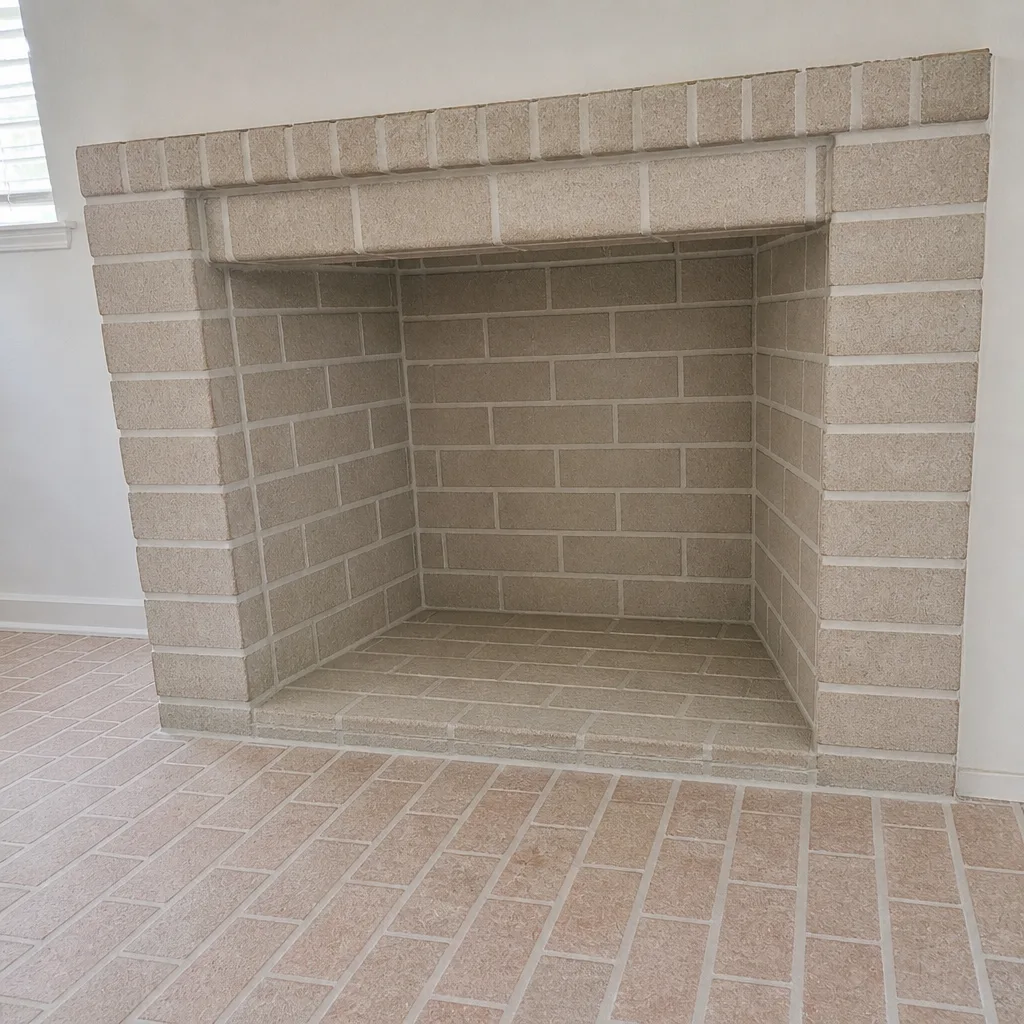
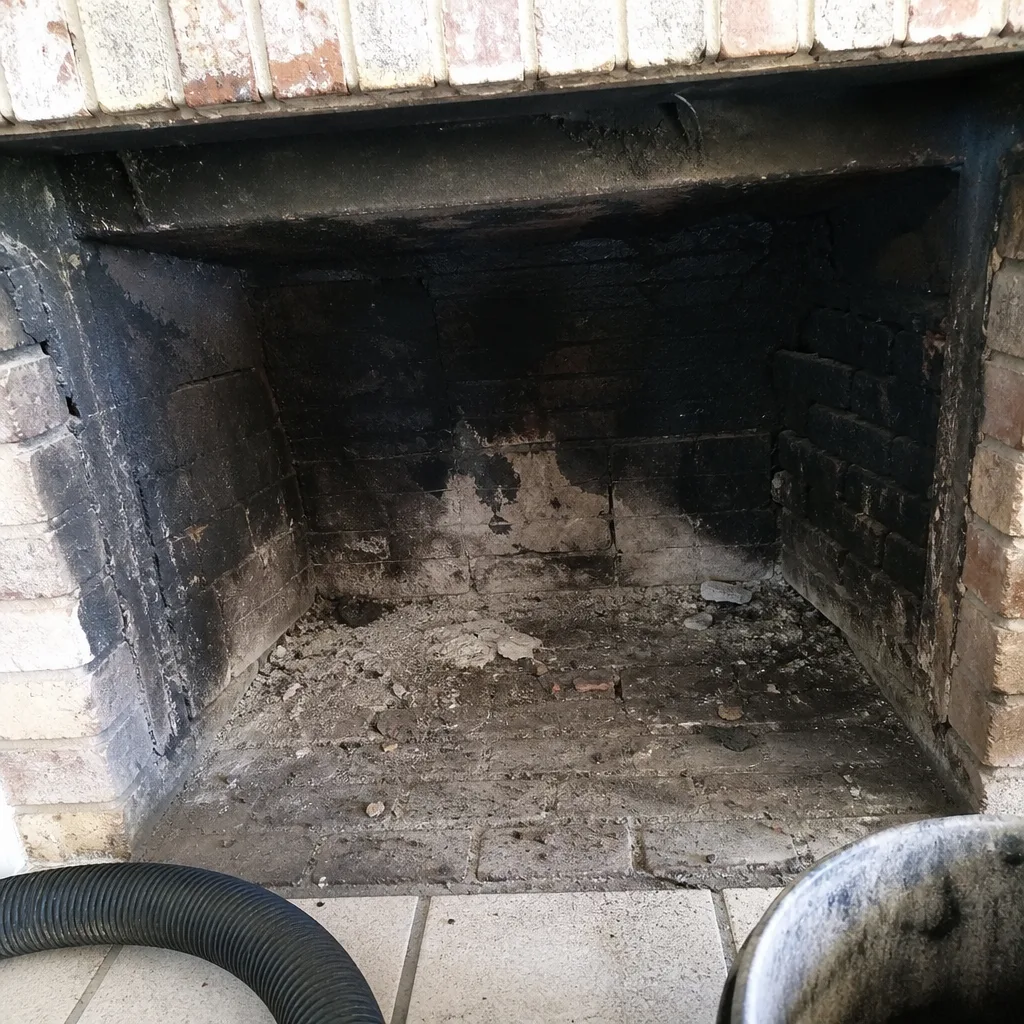
See the difference
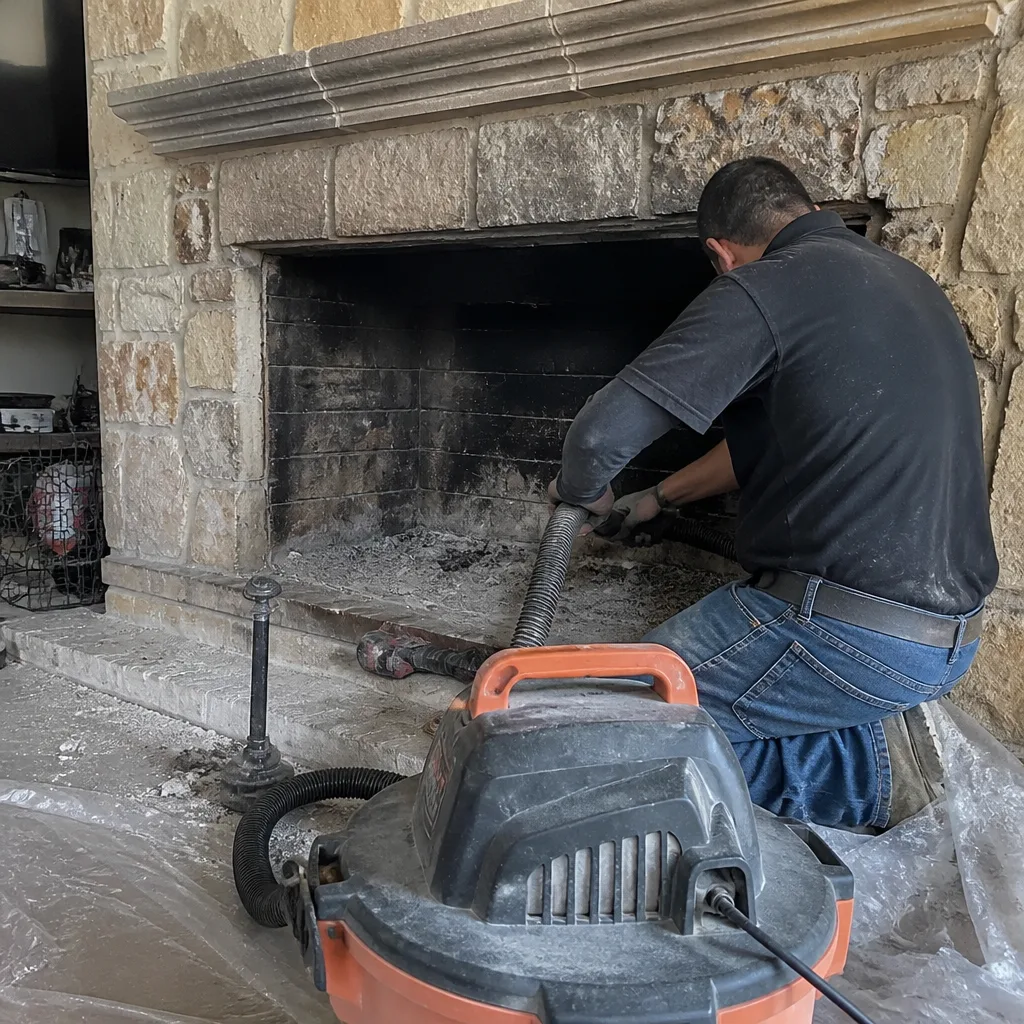 Before
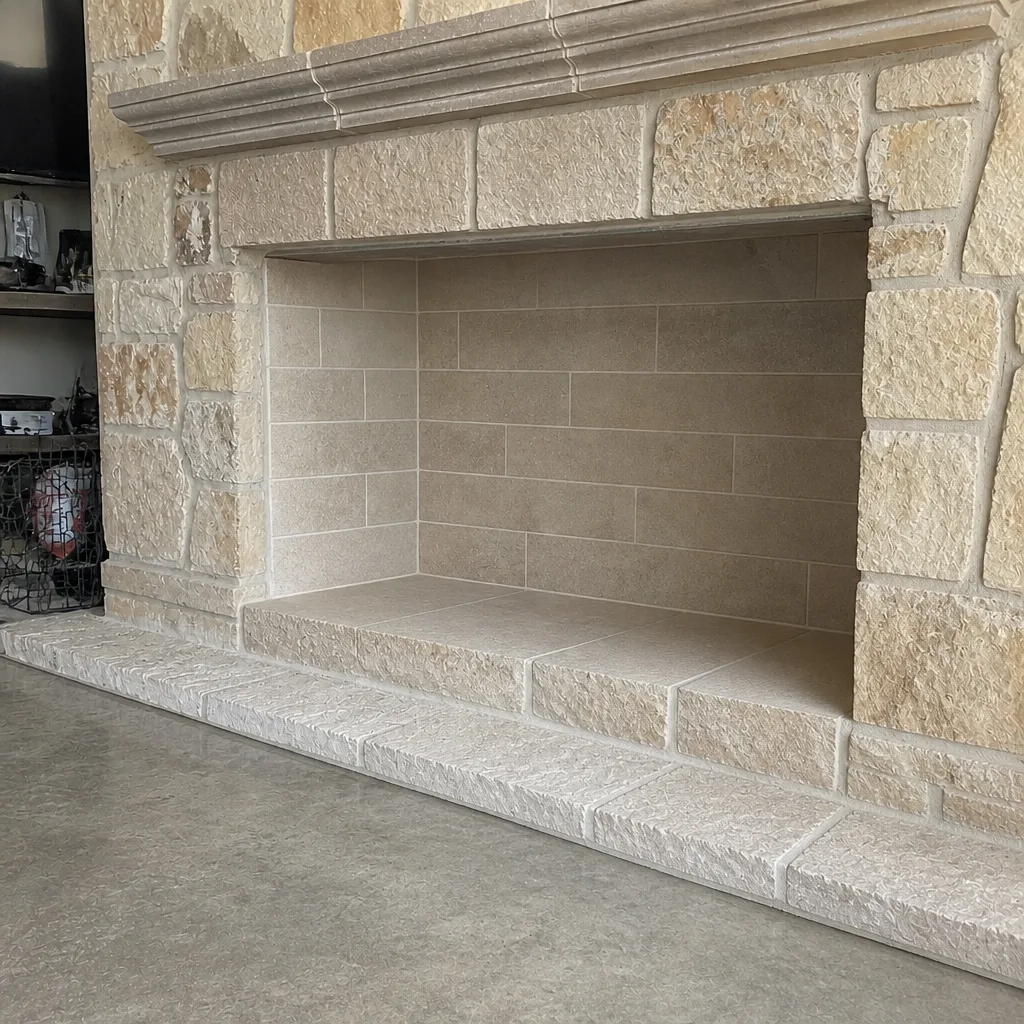 After
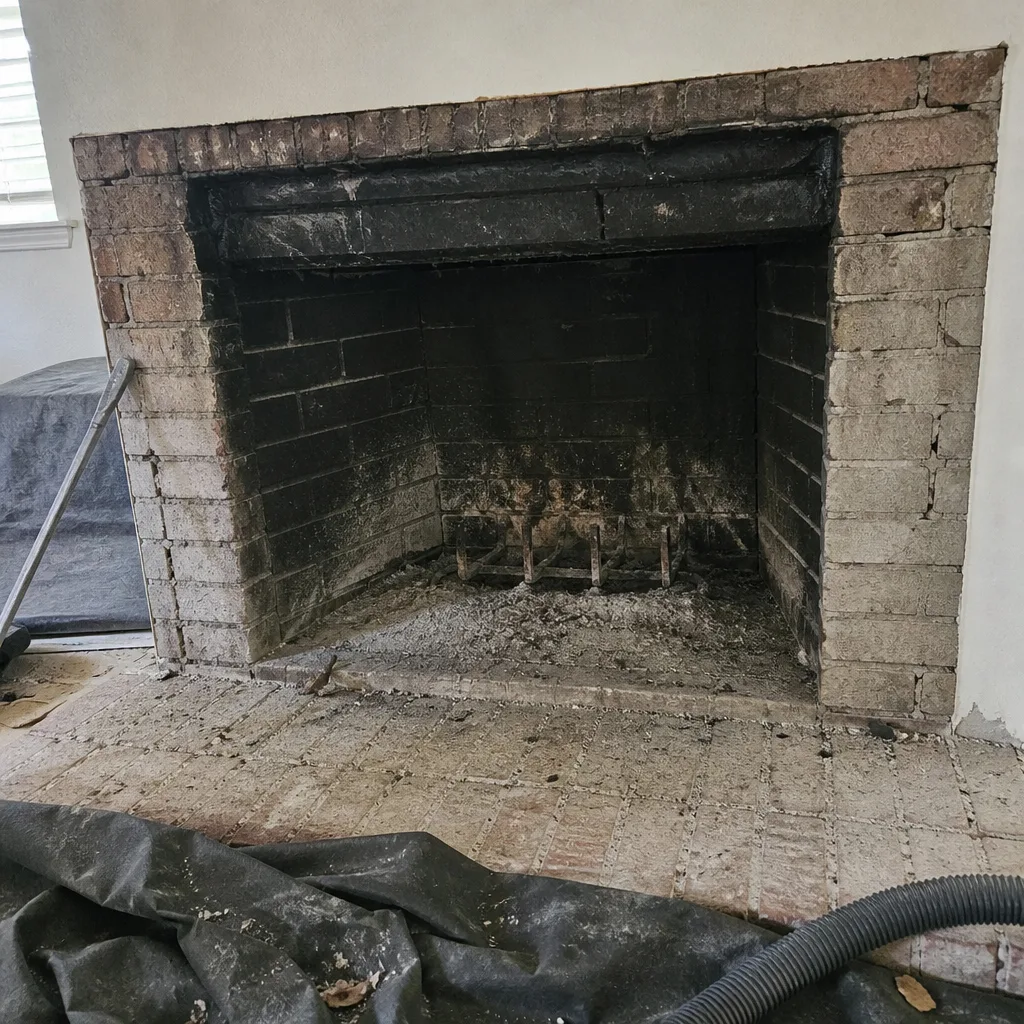 Before
 After
 Before
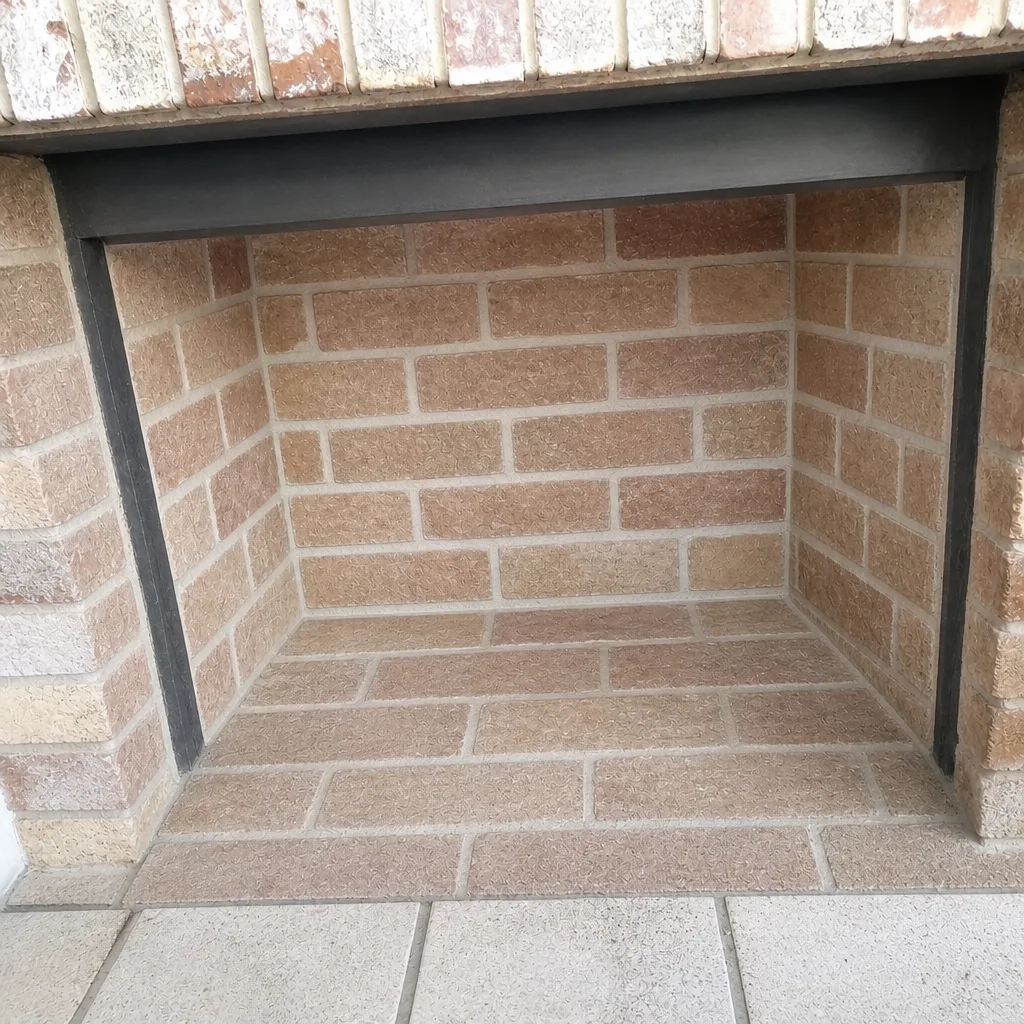 After
When to Call a Professional
Call a professional if smoke won’t clear once the fire is established, if you smell gas or hear animals in the chimney, if the firebox shows crumbling mortar or white staining on the brick, or if your dryer vent hasn’t been cleaned in a long stretch of regular use. Also call if a prior estimate recommended liner work without showing you footage. Those are the situations where guessing is expensive and the camera inspection settles the question. Our technicians have up to 12 years of experience diagnosing exactly these problems, and we work with recognized industry brands so the parts are named in writing. We answer 24/7, with fast dispatch from 7am to 7pm, Sunday through Friday. Chimney Sweep McAllen offers free estimates in McAllen, so call (866) 566-0403 and we’ll schedule a visit.
Frequently Asked Questions
Not necessarily. Intermittent smoke that depends on the HVAC running or the wind direction usually points to pressure or downdraft rather than buildup, and a sweep won’t fix either. Start by noting when it happens; a camera inspection sorts out whether buildup is also involved. Call (866) 566-0403 for an exact diagnosis; estimates are free.
Ash is fine, gray, and uniform. Failing mortar shows up as sand-like grit, white chalky staining, or visible gaps between the flue tiles when you look up with a flashlight. The second kind is the one to photograph and mention when you call. Call (866) 566-0403 for an exact quote; estimates are free.
Sometimes it can genuinely wait, and we’ll tell you so. HeatShield resurfacing handles many deteriorating liners at a fraction of full replacement cost, and a camera inspection tells you which category you’re in. Never accept a liner recommendation without seeing footage of your own flue. Call (866) 566-0403 for an exact quote; estimates are free.
HeatShield resurfacing restores a liner that’s deteriorated but still structurally intact, and it’s the lower-cost option when it applies. DuraFlex relining replaces a liner that’s cracked, displaced, or too irregular to resurface, and it’s built for the flue you actually have. The camera inspection decides which one fits, not a sales preference. Call (866) 566-0403 for an exact quote; estimates are free.
The general guidance is once a year with regular use, and a camera inspection on the same schedule. In McAllen, the long humid stretches and months of fireplace disuse mean animal intrusion and moisture damage get a look during every inspection, not just creosote. Booking ahead of burning season gets you a thorough visit. Call (866) 566-0403 for an exact quote; estimates are free.
Creosote builds up, mortar joints erode from humidity, and small problems turn into liner replacements. The serious risk is a chimney fire or carbon monoxide from a blocked flue, and those are real, not scare tactics. Even if you can safely wait a season, the inspection that tells you so is worth having. Call (866) 566-0403 for an exact quote; estimates are free.
The Bottom Line
Most chimney trouble in McAllen traces back to a few causes, and the symptom tells you which one you’re facing. Smoke rollback means pressure, not dirt. Odor with no fire often means animals or creosote. Grit in the firebox usually means moisture has eaten the mortar. Once you know the category, the fix is specific: a cap replacement, a resurfacing with HeatShield, a DuraFlex reline, or a straightforward sweep. The thing that separates an honest diagnosis from a guess is camera evidence you can see yourself, and a recommendation in writing that names the materials going into your chimney. For chimney work in McAllen, that’s the standard we hold to.
To book an inspection or get a free estimate, call (866) 566-0403. We answer 24/7. Fast dispatch from 7am to 7pm, Sunday through Friday. We’ll show you what we find, tell you what can wait, and put the price in writing before any work begins.
Written by the team at Chimney Sweep McAllen.