
Last updated November 14, 2026
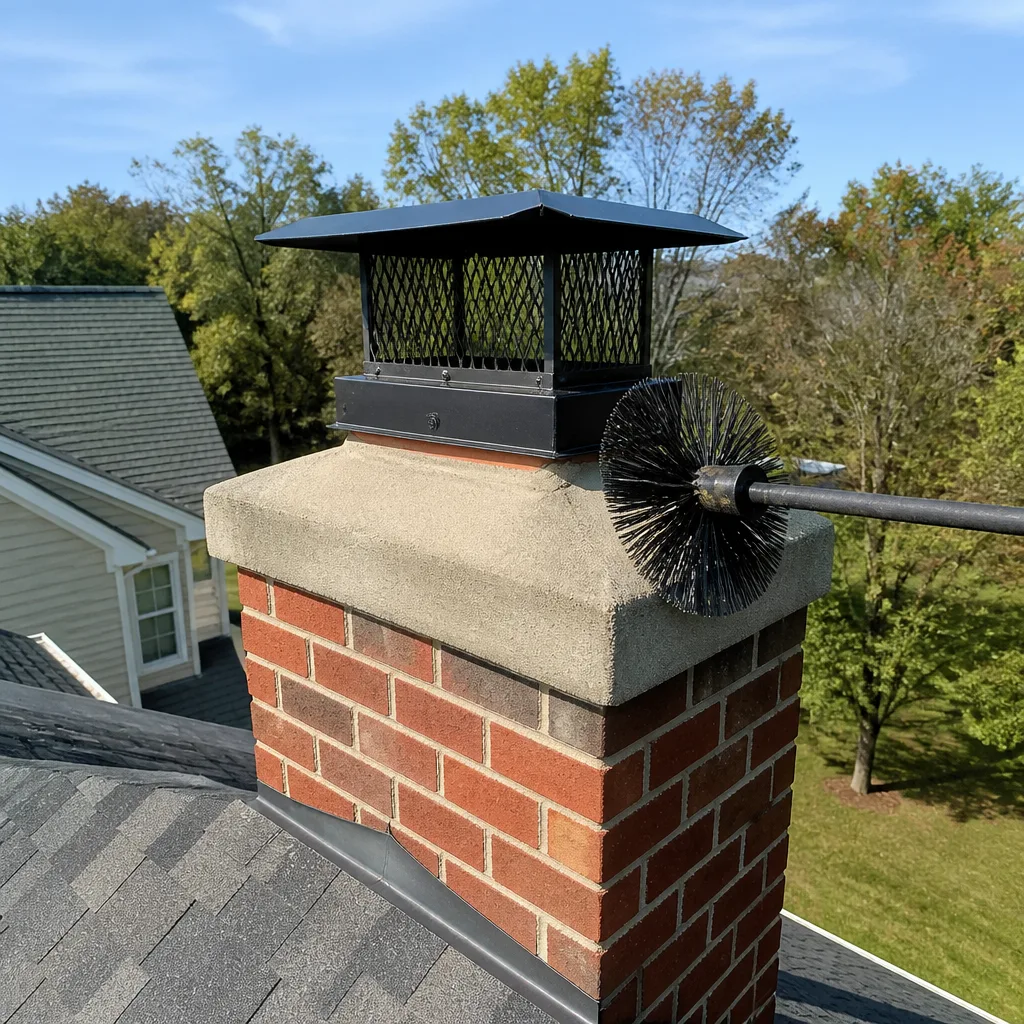 Sweep & inspection
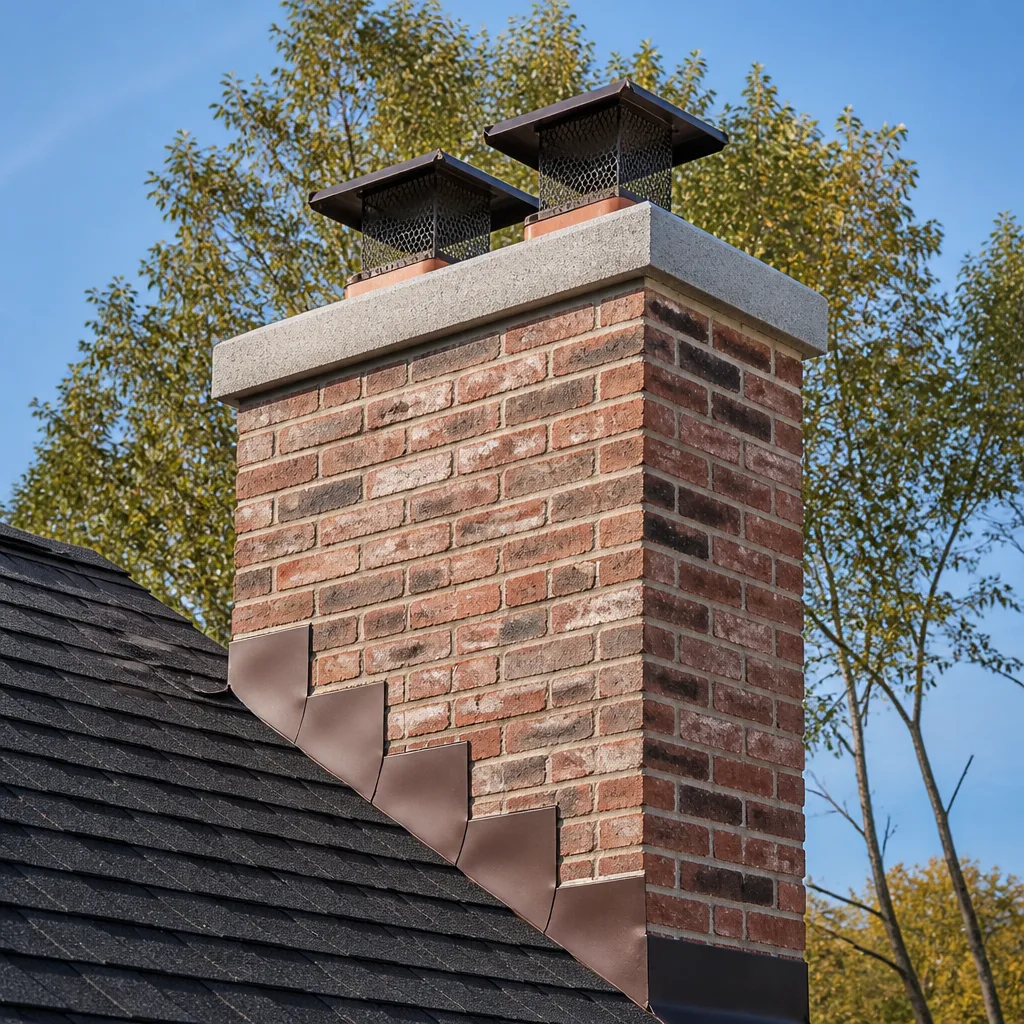 Caps & crowns
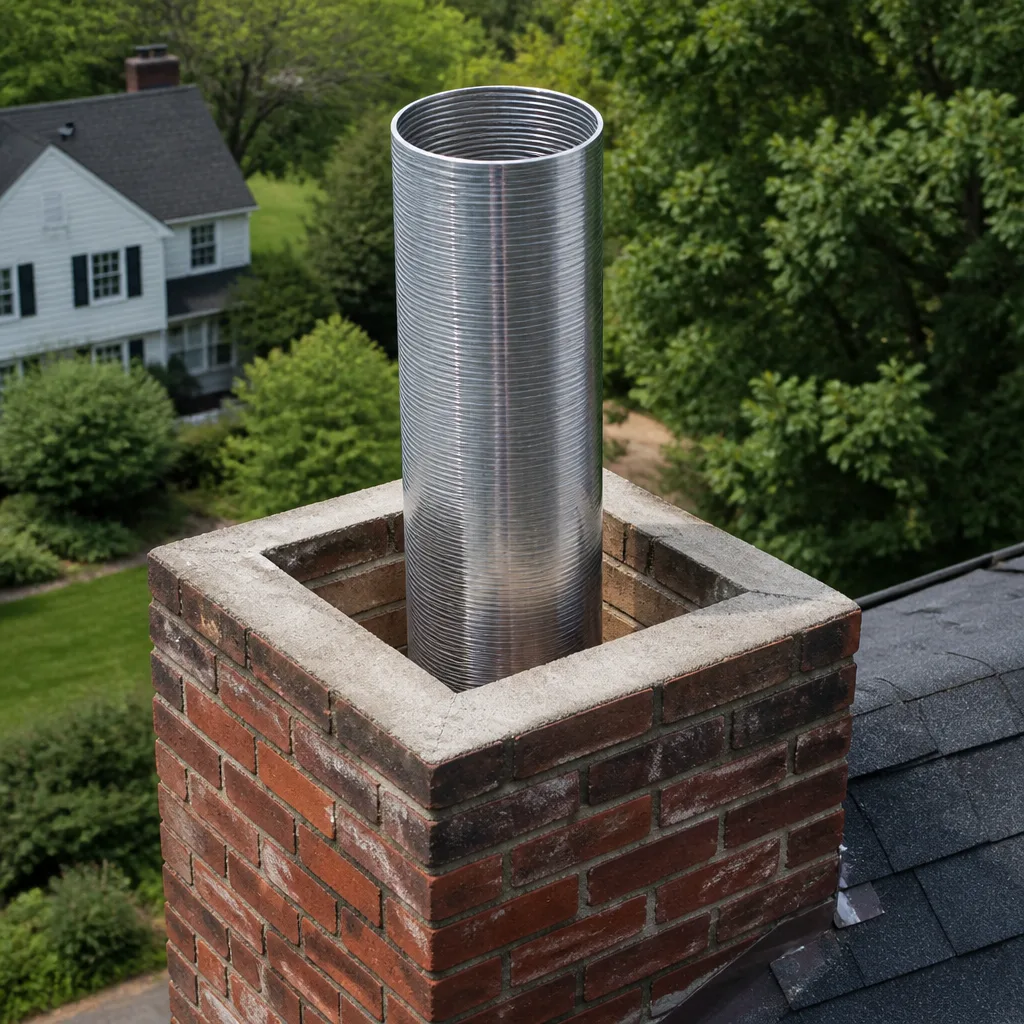 Flue relining
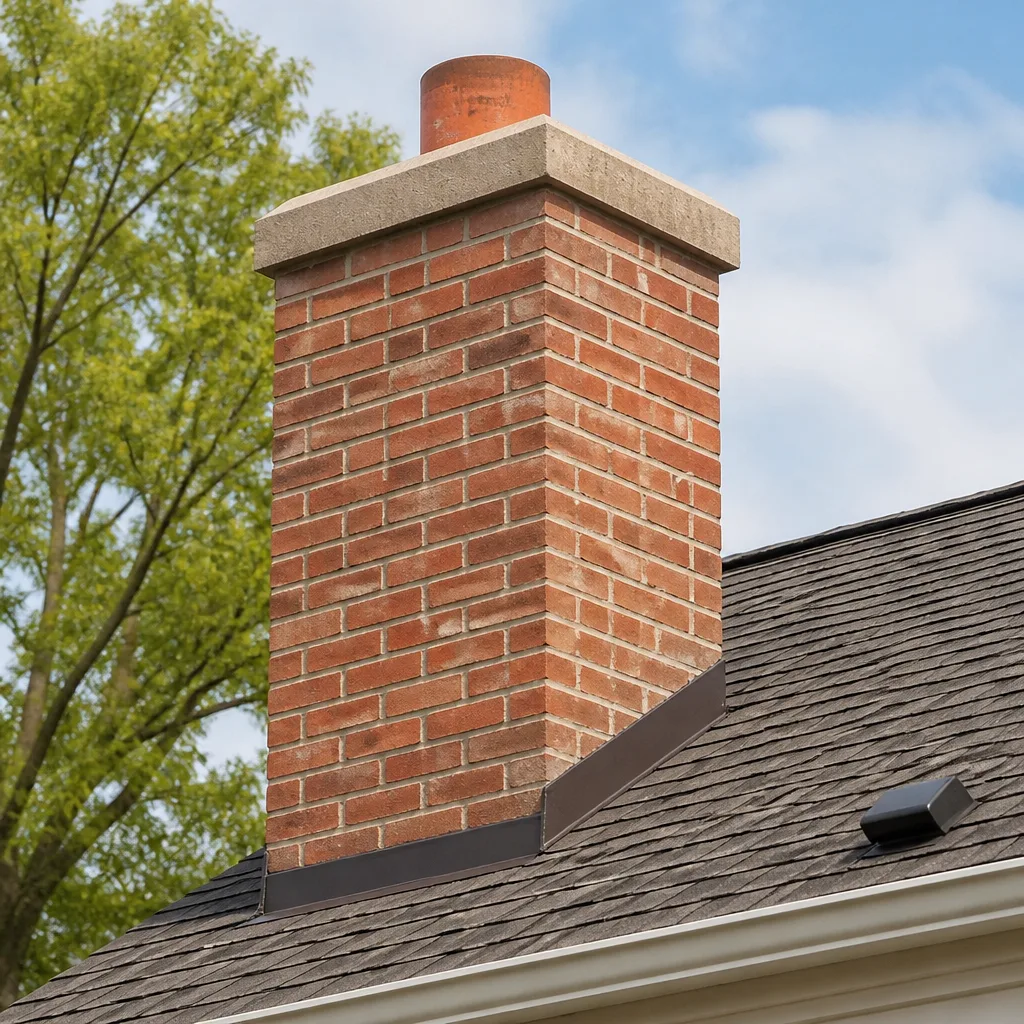 Masonry repair
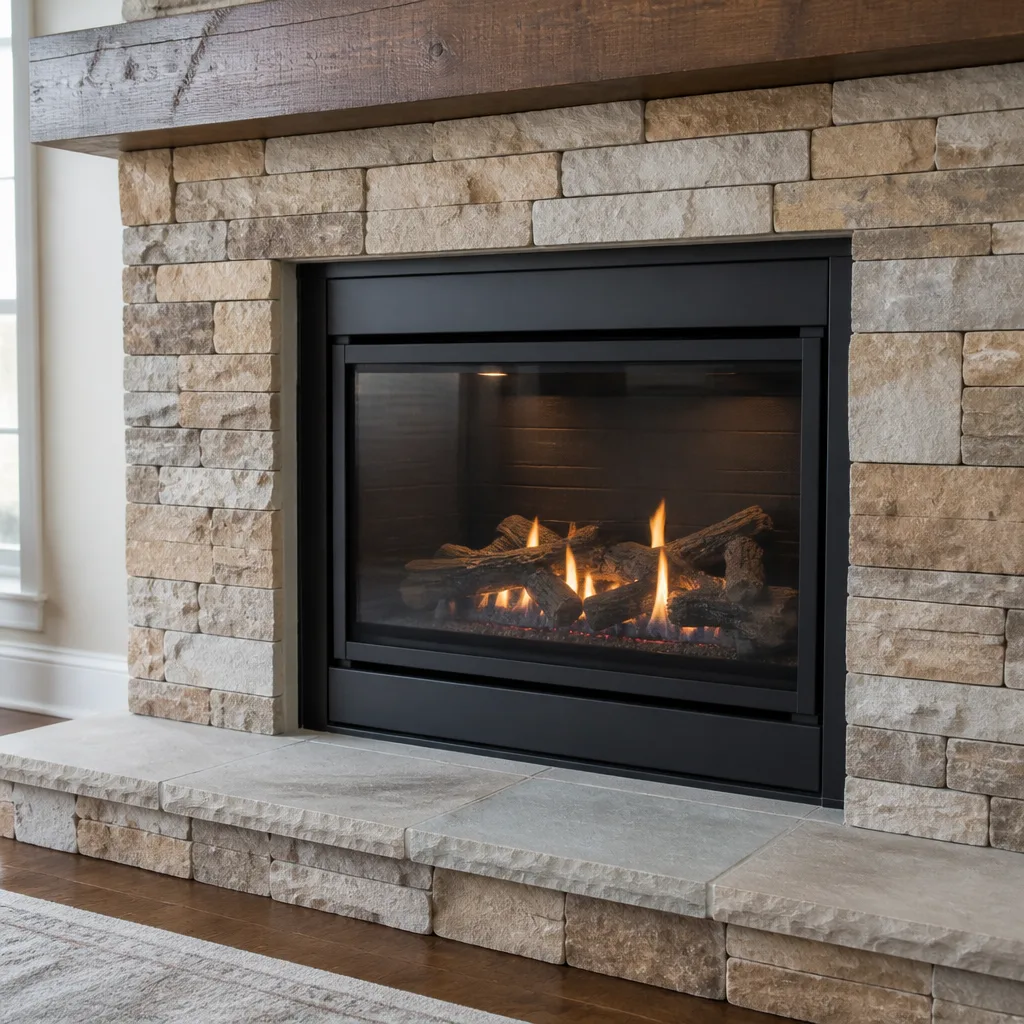 Gas fireplace service
Level 1 sweep and inspection to the NFPA 211 annual standard - flue, crown, cap, and flashing checked and photographed
Chimney sweep logs do not sweep chimneys. They loosen some creosote - which then falls where a brush and vacuum still have to collect it.
Chimney Cleaning Emergency Preparedness Guide for McAllen Homes
Most chimney advice assumes you have time. Time to book a sweep, time to compare bids, time to think about it before next winter. A real chimney emergency does not work that way. A creosote fire can move from ignition to structural heat damage in under ten minutes, and the homeowners who limit the damage are the ones who already know what to do: close the damper, get everyone outside, call 911, and only then call a chimney company. The rest figure it out mid-crisis, and that gap is measured in damaged flues and insurance headaches.
This guide is written to be read before you need it. It covers what to do in a chimney fire, how to spot one, what a smoldering situation looks like, carbon monoxide warning signs specific to fireplaces, what to tell dispatchers, how to document a loss for your insurer, and what a post-emergency inspection actually requires in a McAllen home. Keep it somewhere you can find it in a hurry.
Quick Answer
If you suspect an active chimney fire in a McAllen home: close the damper if you safely can, get everyone outside, call 911, and do not re-enter until firefighters clear the structure. After the emergency passes, the chimney needs a Level 2 inspection before it is used again, because a visual check from the firebox cannot detect hidden damage inside the flue.
Styles & brands we work with
- Sweep & inspection
- Caps & crowns
- Flue relining
- Masonry repair
- Gas fireplace service
Table of Contents
- What to Do in a Chimney Fire: Step-by-Step
- Active Chimney Fire vs. Smoldering Creosote: How to Tell
- Carbon Monoxide Warning Signs Specific to Fireplaces and Chimneys
- What to Tell Emergency Services and Your Insurer
- What a Post-Emergency Inspection Requires
- Sudden Blockages and Other Chimney Emergencies
- Preparing Your McAllen Chimney Before the Emergency Happens
What to Do in a Chimney Fire: Step-by-Step
A chimney fire is a fire inside the flue, usually fed by creosote that has built up on the walls. In McAllen, the buildup pattern is specific: long cooling seasons with short, hot burns, plus a mild climate that tempts people to burn seasoned wood slowly or not at all, produces sticky creosote in stages. When it lights off, the sound is the giveaway for most people. The right response is a sequence, and it is short enough to memorize.
- Close the glass doors or the firebox screen. This limits air feeding the fire, but do not open the damper to “let it vent.”
- Close the damper if you can do it safely and without opening the firebox wide. If the firebox is too hot to approach, leave it.
- Get everyone outside immediately, including pets. Exit the house, not just the room.
- Call 911 from outside. Tell the dispatcher you have a chimney fire and give the full address.
- Do not re-enter for valuables. No papers, no electronics, no pets that are already out.
- Do not spray water down the flue or into the firebox. Thermal shock to a hot flue can crack clay tiles and, in older chimney assemblies, do serious structural damage.
- Wait for the fire department to clear the structure. Firefighters will check the attic, roofline, and chimney cap area for extension.
- Call a chimney professional after the emergency has passed. The chimney is not usable again until it has been inspected.
Notice what is not on that list: fetching a fire extinguisher for the firebox. A creosote fire inside the flue is above the firebox, and a home extinguisher is not designed to reach it. The fire department is the appropriate response. Your role is to stop feeding the fire, remove people, and get help.
Active Chimney Fire vs. Smoldering Creosote: How to Tell
An active chimney fire is loud and unmistakable to most homeowners. A clicking, popping, or roaring sound from inside the flue is the classic signature. Visible flames or dense smoke pouring from the chimney cap is another. You may see pieces of burning creosote fall down the flue into the firebox, which looks like a shower of sparks. A neighbor may see smoke from the roof before you notice anything inside.
A smoldering creosote fire is the harder case, and honestly, the more dangerous one for a household that has never seen a chimney fire before. It can burn slowly for a long time at low intensity. What to look for:
- A hot, acrid smell in the room that does not go away when the fire dies down.
- Smoke rolling back into the room even with a damper that normally drafts fine.
- A chimney cap or upper exterior that is noticeably hot to the touch (test with the back of your hand from a distance, not by grabbing).
- Discolored or puffy creosote visible at the top of the firebox, sometimes with a “honeycomb” texture.
- A chimney that stays warm hours after the fire has gone out.
If you see or smell any of those signs, treat it as an emergency. The active-versus-smoldering distinction matters for what firefighters will find when they arrive, but for the homeowner, both get the same response: get out, call 911, wait for clearance. In our experience across McAllen neighborhoods, the smoldering cases are the ones homeowners ask about after the fact, because they were not sure what they were looking at. If you are not sure, treat it as active.
Carbon Monoxide Warning Signs Specific to Fireplaces and Chimneys
Carbon monoxide from a chimney problem is a drafting failure, not a fire. A crack in the flue, a nest blocking the top, a collapsed clay tile, or a damper stuck shut can divert combustion gases back into the living space. Because the gas is colorless and odorless, the warning signs are physical and behavioral, and they tend to cluster:
- Headaches that begin during or shortly after fireplace use and fade when you leave the room or the house.
- Dizziness, nausea, or unusual fatigue that gets better outdoors.
- Multiple people in the household feeling the same symptoms at the same time, including pets.
- Warm, stuffy, or stale air near the fireplace with the fire running.
- Soot streaks above the firebox opening or around the chimney cap – evidence of backdrafting.
- A flickering or snuffing pilot light or a gas appliance flame burning orange or yellow rather than blue.
If you notice any combination, get everyone outside and call 911. Do not wait to see if the symptoms pass. If a carbon monoxide alarm has sounded, treat it as a real event every time, even if you cannot smell anything.
Why a CO detector near the fireplace is different from a general household detector
Standard CO alarms are placed in hallways and bedrooms for a reason, but they are installed with the general home in mind. Fireplace-related CO events start at the chimney and can concentrate in the room with the hearth before a hallway detector registers anything. A CO alarm within the fireplace room, or on the same wall as the chimney chase in an adjacent room, gives you a head start. Read the manufacturer’s placement instructions carefully; some detectors are not rated for placement close to a hearth, and placing them behind treated glass or in a closed cabinet defeats the purpose. The county and city fire departments publish CO safety guidance for homes in the area, and it is worth a look alongside your detector manual.
What to Tell Emergency Services and Your Insurer
When you call 911, dispatchers need three things fast, in this order: that it is a chimney fire, the full street address, and whether anyone is still inside. Say “chimney fire” clearly at the start – do not describe a fireplace fire or a flue problem. Chimney fires are treated with specific equipment and procedures, and the dispatch reflects that. Add anything you can quickly describe: visible flames from the cap, smoke in the attic, a smell of hot creosote in the walls. Then stay on the line until the dispatcher releases you.
After the fire department has cleared the scene and you are safe, call your homeowner’s insurance. Before any post-emergency repair work begins, gather the following:
- Photographs of the exterior of the chimney, the roofline, the firebox, and any damaged interior surfaces. Photograph everything before anyone removes anything.
- Notes about the timing of the fire, the sound, and the visible signs – what you saw and when, written down while it is fresh.
- Any receipts for recent chimney service, sweep reports, or inspection paperwork you already have.
- The fire department’s incident report number. Ask for it before they leave the scene, or ask the dispatcher how to obtain a copy.
- Written statements from any technician who inspects the chimney before you authorize repairs.
Do not let a repair crew start removing damaged flue tiles or chimney components before the insurance adjuster has documented the condition. This is one of the most common mistakes homeowners make after the emergency, and it makes the claim harder to settle. If the chimney is unsafe and must be stabilized immediately, document it in photos before and after, and tell the insurer plainly what was stabilized and why.
What a Post-Emergency Inspection Requires
After any chimney fire, the chimney needs a Level 2 inspection before it is used again. A visual check from the firebox, or a flashlight up the flue from the hearth, will not find what a fire leaves behind: cracks in clay tiles that a flashlight cannot see, gaps in the mortar between tiles, warped or heat-distorted metal liners, or damaged chimney cap and crown assembly that allows water and animals in afterward. The inspection needs to see the flue from the top down and the firebox up, and in many cases it requires video from inside the flue to be conclusive.
What a Level 2 inspection after a chimney fire looks like in a McAllen home:
- A camera run through the full length of the flue, recording what the walls look like.
- An inspection of the chimney exterior, including the cap, crown, and flashing at the roofline.
- An inspection of accessible portions of the chimney chase and adjacent attic spaces for signs of heat or smoke damage.
- A check of the firebox, damper, and smoke chamber for damage that could affect future drafting.
- Written findings with photos, so you can share them with your insurance company and understand what you are authorizing.
Where a flue is found damaged, the repair may not be a full liner replacement. HeatShield, a resurfacing system we are trained to apply, can restore a deteriorated flue without the cost of a full liner, and it is the option most sweep-only companies cannot offer. Where the flue is irregular, cracked beyond resurfacing, or the existing clay tile system is past the point of repair, a DuraFlex flexible liner is the industry standard for relining, and we install it because it is built for the flue you actually have. Either way, the decision belongs to the inspection findings, not to a sales pitch.
Sudden Blockages and Other Chimney Emergencies
Not every chimney emergency starts with fire. Sudden blockages are the second most common urgent call in McAllen, and they present differently depending on the cause:
- Bird nest or animal in the flue. You will usually hear scratching, or you will see smoke backing into the room without any obvious firebox problem.
- Collapsed clay tile. Often accompanied by a sudden smell of smoke and creosote in the room and a visible shift in how the fire burns.
- Heavy creosote flaking. Sometimes triggers a small flare that resolves on its own, sometimes triggers the full fire. Treat the flare as a warning, not a pass.
- Gas appliance backdraft. A gas log set or vented insert that suddenly starts producing a smell of exhaust in the room, with a pilot light or flame that looks wrong.
The right response to all of these is the same: stop using the fireplace or appliance, get the room ventilated if it is safe to do so, get people out of the area, and get a professional to inspect before the next burn. Do not try to clear a flue obstruction by dropping something down the chimney. A clay tile can break loose, and the weight of a dropped object in the flue can turn a blockage into a collapse.
When our technicians inspect a chimney with a suspected blockage, we run a camera and produce a photo report before we recommend anything. That is not ceremony; it is the difference between knowing exactly what is in your flue and guessing. Nothing is recommended without camera evidence you can see for yourself.
Preparing Your McAllen Chimney Before the Emergency Happens
Emergency preparedness is mostly a list of small things done ahead of time. Set aside a cool morning before the burning season and check the following:
- Confirm your chimney has been swept within the last year. A fireplace in regular use needs an annual sweep. If you cannot remember the last one, that is your answer.
- Test your CO alarms. Every unit, including the one near the fireplace if you have one. Replace batteries and note the manufacture date on the back of the unit.
- Check your fire extinguisher. It belongs near the exit to the room with the fireplace, not on the far wall, and it belongs with the gauge reading in the green.
- Look at the chimney cap from the ground. A missing cap, a rusted cap, or a visibly damaged chimney crown is an open door for water, animals, and weather.
- Have a Level 1 inspection done before the season. It is a short visit that tells you what condition the flue is in now, so you know what to watch for later.
- Store your insurance documents and this guide together. If an emergency does happen, you will not want to search for either.
If you already know your chimney has not been inspected, the right call is a chimney sweep before you light the next fire. A sweep also gives us the chance to spot early problems – thinning creosote, a cracked tile, a damaged damper – long before they become an emergency. And it is worth saying plainly: a sweep is not the same as a repair. If we find a problem, we will show you the camera footage and tell you what we recommend, in writing, with a flat price agreed before booking. If the work can safely wait until next season, we will tell you that too.
Dryer vents deserve the same preparation. Lint accumulation in a dryer vent is a fire risk, and it is one of the leading causes of house fires in homes where the vent has not been cleaned in years. We treat dryer vent cleaning with the same seriousness as chimney work, because a fire in the vent behind your dryer is no less dangerous than a fire in the flue above your fireplace. When the same crew handles both, you are not coordinating two contractors on a safety problem that is really one system.
Common Mistakes to Avoid
- Calling a chimney company before calling 911. If the fire is active, the emergency response comes first, every time. A chimney professional is for after the emergency, not during it.
- Opening the damper to “let the fire vent.” That feeds more air into a flue fire. The correct moves are close what you can close and get out.
- Spraying water down the flue. Thermal shock to a hot clay flue can crack tiles and turn a manageable fire into a structural problem. Let the fire department handle suppression.
- Authorizing repair work before the insurance adjuster has seen it. Photograph everything first, and get the fire department’s incident number before anyone touches the chimney.
- Assuming a smoldering smell is “just creosote.” A hot, acrid smell that lingers after the fire is out is a warning sign, not a nuisance. Treat it as active until a professional says otherwise.
- Relighting the fireplace because the fire “seems out.” After any chimney fire, the flue needs a Level 2 inspection before the next burn. The chimney may look fine from the hearth and still be damaged inside.
- Using a generic handyman for post-fire repair. A chimney is a specialized system with specific materials requirements. Ambiguous, off-brand components are common in the trade, and they are exactly what you do not want in a structur
ally stressed flue. Ask who is doing the work and what materials they are using.
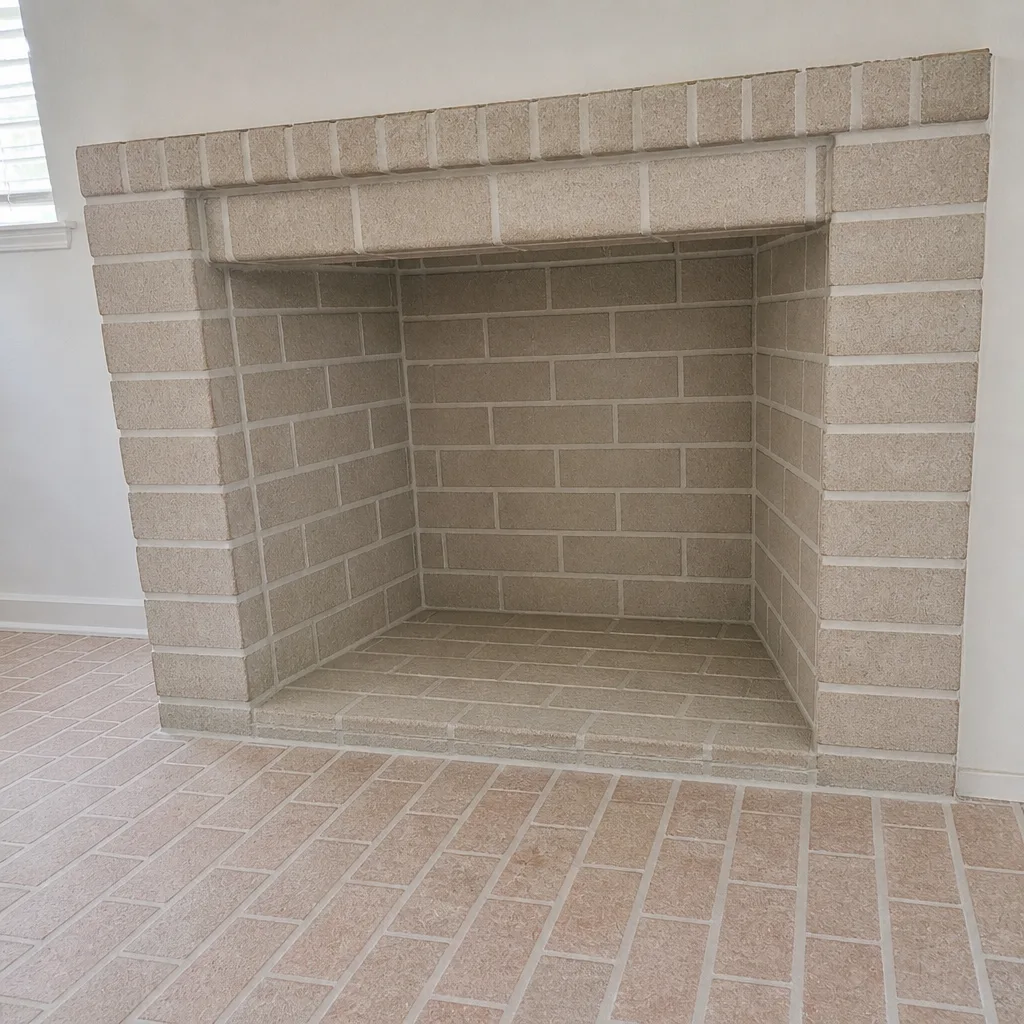
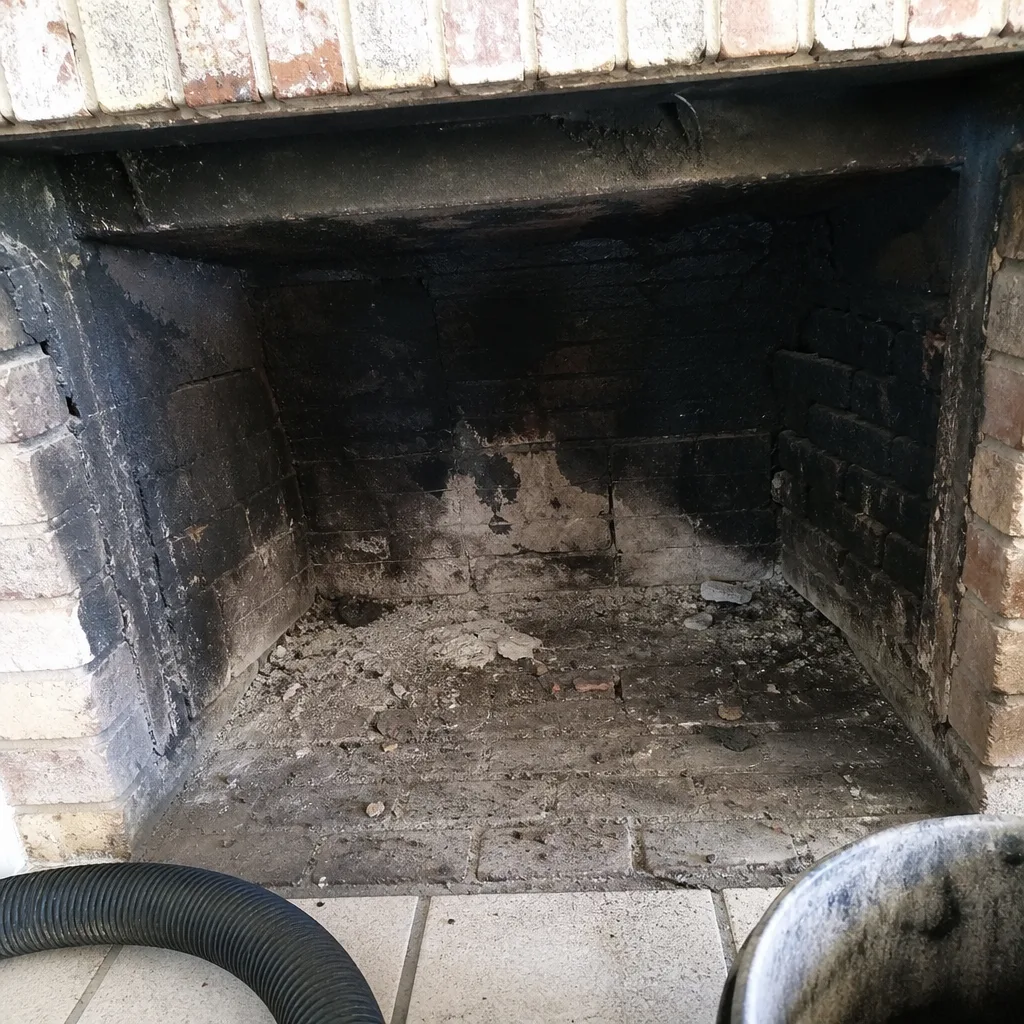
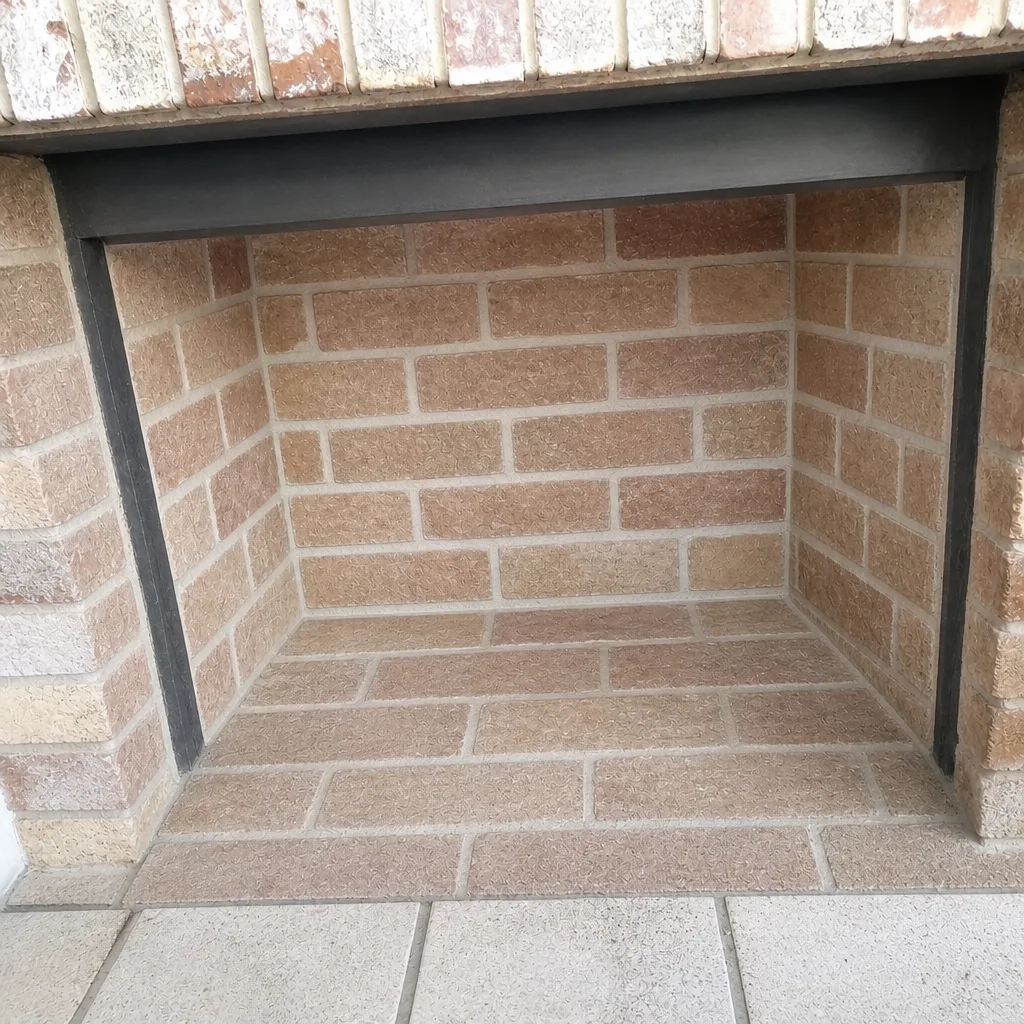
See the difference
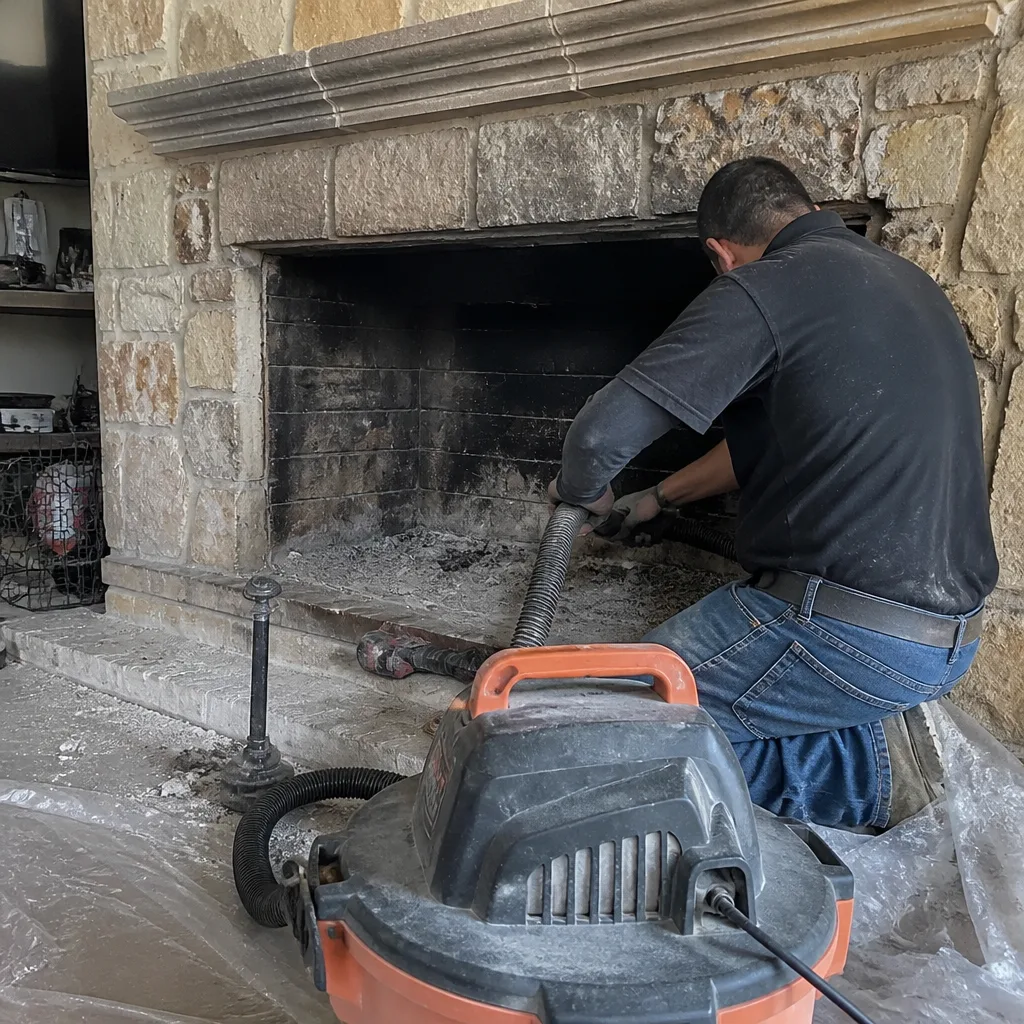 Before
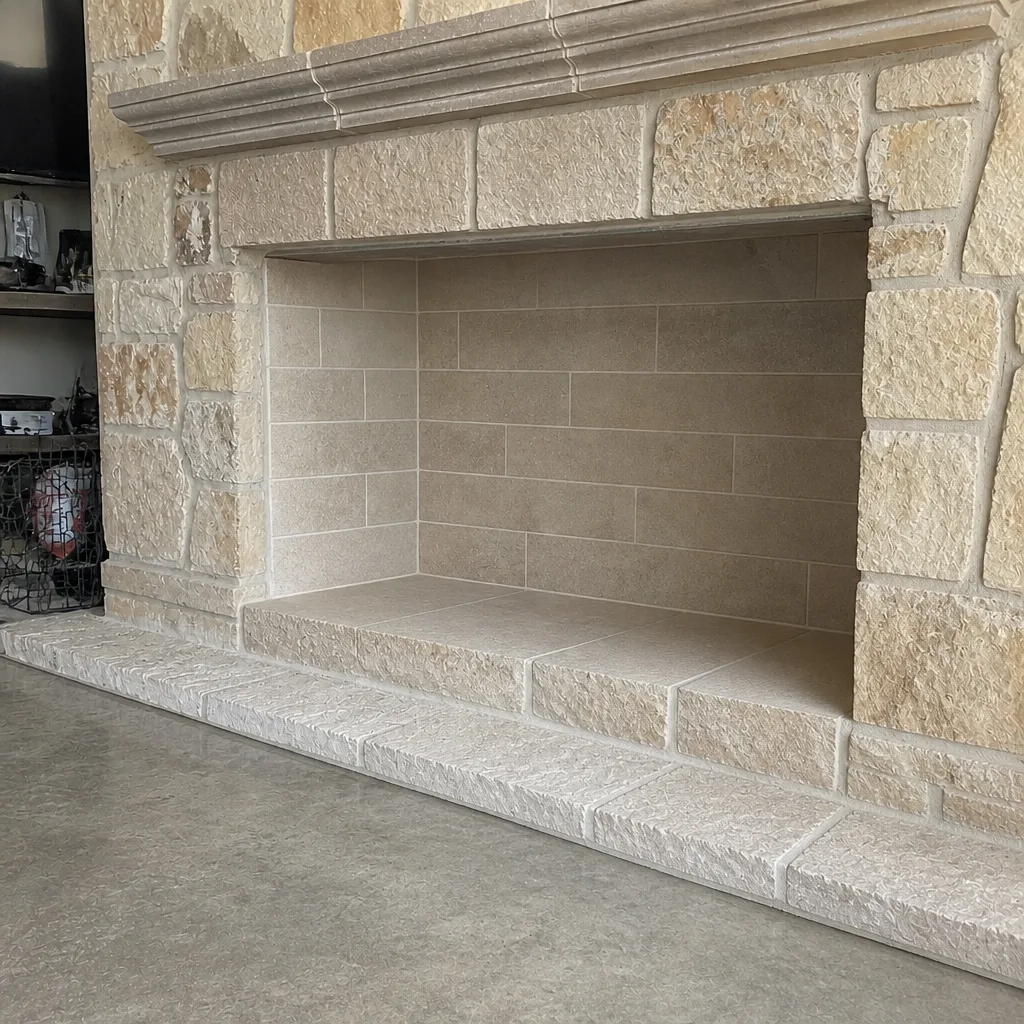 After
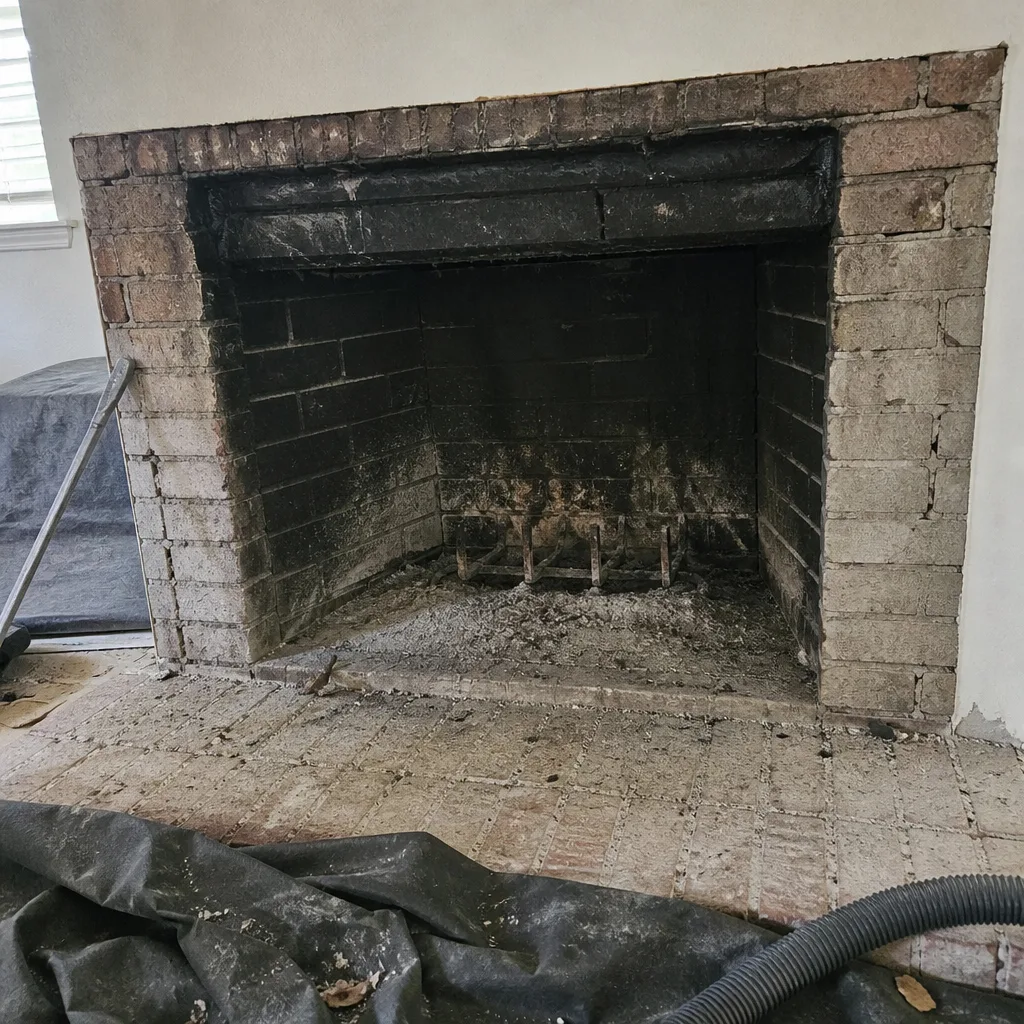 Before
 After
 Before
 After
When to Call a Professional
Call a chimney professional for any of the following, without waiting for the next burning season: a chimney fire, a suspected smoldering fire, a carbon monoxide alarm event, a sudden blockage, a collapsed tile, a persistent smoke-back into the room, a chimney cap or crown that has failed, or a chimney that has not been inspected in over a year. Also call if you are buying or selling a home in McAllen and the seller cannot produce recent inspection paperwork – a Level 2 inspection is a reasonable precaution before you close. Chimney Sweep McAllen offers free estimates in McAllen. Call (866) 566-0403. We answer 24/7. Fast dispatch from 7am to 7pm, Sunday through Friday.
Frequently Asked Questions
Close the damper or the glass doors if you can do so safely, get everyone outside including pets, and call 911 from outside. Tell the dispatcher it is a chimney fire and give the full address. Do not re-enter, and do not spray water down the flue. Call a chimney professional only after the fire department has cleared the scene.
A chimney fire produces a roaring, clicking, or popping sound from inside the flue, and often visible flames or dense smoke from the chimney cap. A normal fire sounds like a wood fire in the firebox, not a rush of air and crackling inside the chimney. A smoldering fire may produce neither sound nor visible flame inside the home, so a lingering hot, acrid smell is a warning sign worth acting on. Call (866) 566-0403 for an inspection if you are unsure – estimates are free.
Headaches, dizziness, nausea, or unusual fatigue that start during or shortly after fireplace use and fade when you leave the house are the classic signs. A CO alarm sounding, soot streaks above the firebox, or backdrafting smoke are also red flags. If you notice any combination, get everyone outside and call 911 before doing anything else.
A Level 2 inspection is what a chimney needs after any fire event. A visual check from the firebox cannot see cracks in clay tile, gaps in mortar joints, or heat distortion inside a metal liner, and those are exactly the problems a fire leaves behind. A camera run through the flue is what gives you and your insurer a real record. Call (866) 566-0403 to book one – estimates are free.
Once a year for a fireplace in regular use is the standard, and a Level 1 inspection at the same visit. McAllen’s short, mild heating season does not reduce the creosote risk; slow, cool fires over a long season often produce the stickiest buildup. If you burn frequently, or if you notice smoke backing into the room or an unusual smell, do not wait for the annual date.
Skipping the inspection means any damage from a fire or blockage goes undetected, and the next fire can push heat, smoke, or carbon monoxide into the home instead of up the flue. That risk builds quietly. Call (866) 566-0403 to schedule an inspection before your next burn – estimates are free.
The Bottom Line
A chimney emergency in a McAllen home is survivable and manageable when the response is already known. Close what you can, get outside, call 911 first. After the emergency, the chimney needs a Level 2 inspection with camera evidence before you light another fire, and the insurance adjuster needs to see the damage before repairs begin. The rest is preparation: an annual sweep, a tested CO alarm near the fireplace, a real fire extinguisher near the exit, and a professional you can call when the answer is not obvious. We name the brands we install, we show you what the camera sees, and we tell you when work can safely wait. That is what you want on the other end of a phone during a hard day.
Chimney Sweep McAllen provides chimney sweeping, chimney repair, and dryer vent cleaning in the McAllen area. Call (866) 566-0403 for a free estimate. We answer 24/7. Fast dispatch from 7am to 7pm, Sunday through Friday.
Written by the team at Chimney Sweep McAllen.