
Last updated November 14, 2026
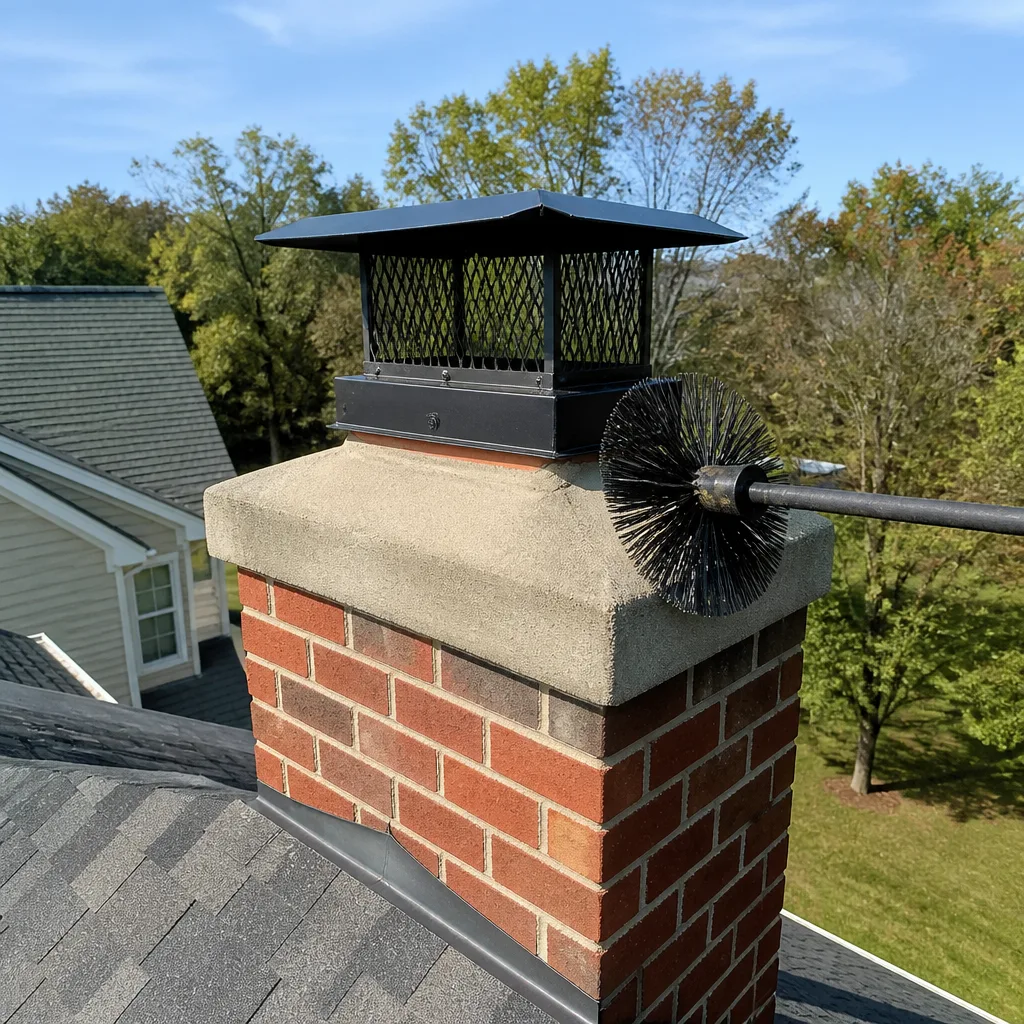 Sweep & inspection
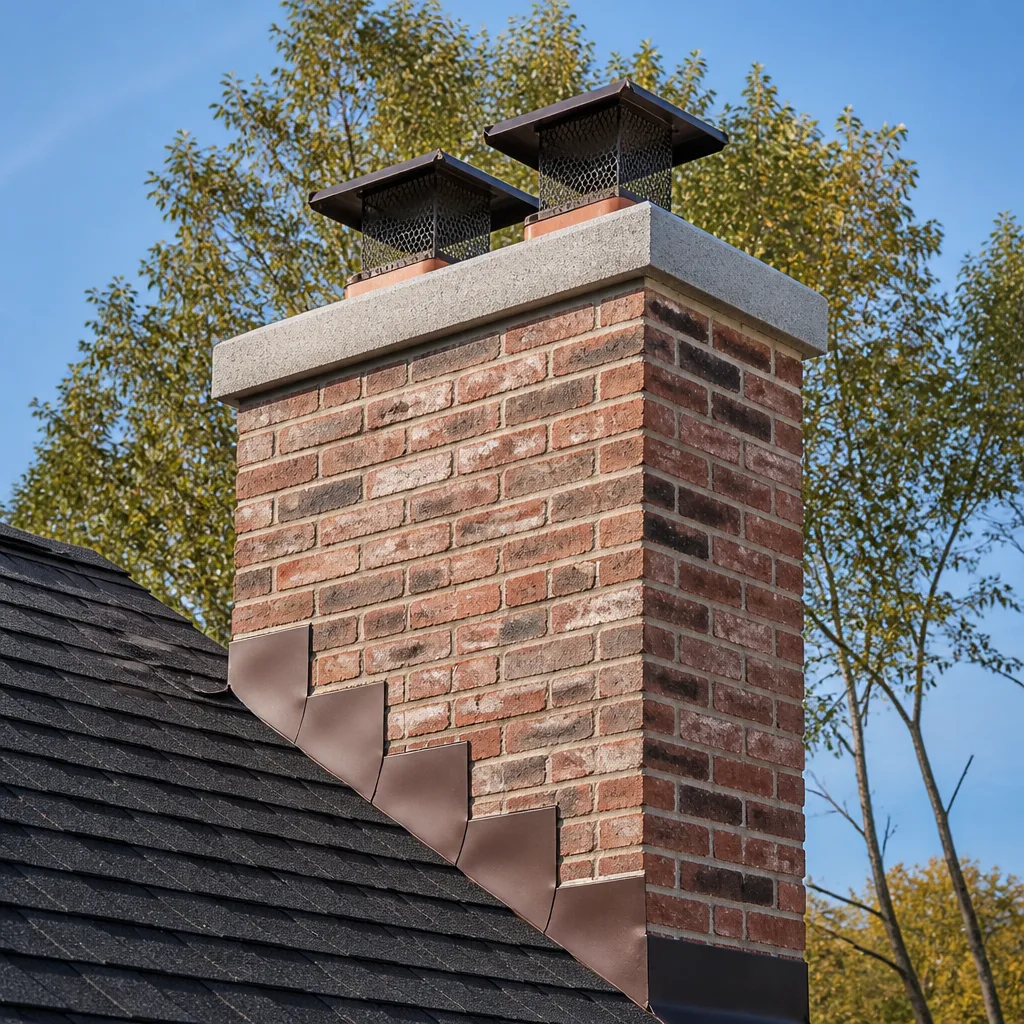 Caps & crowns
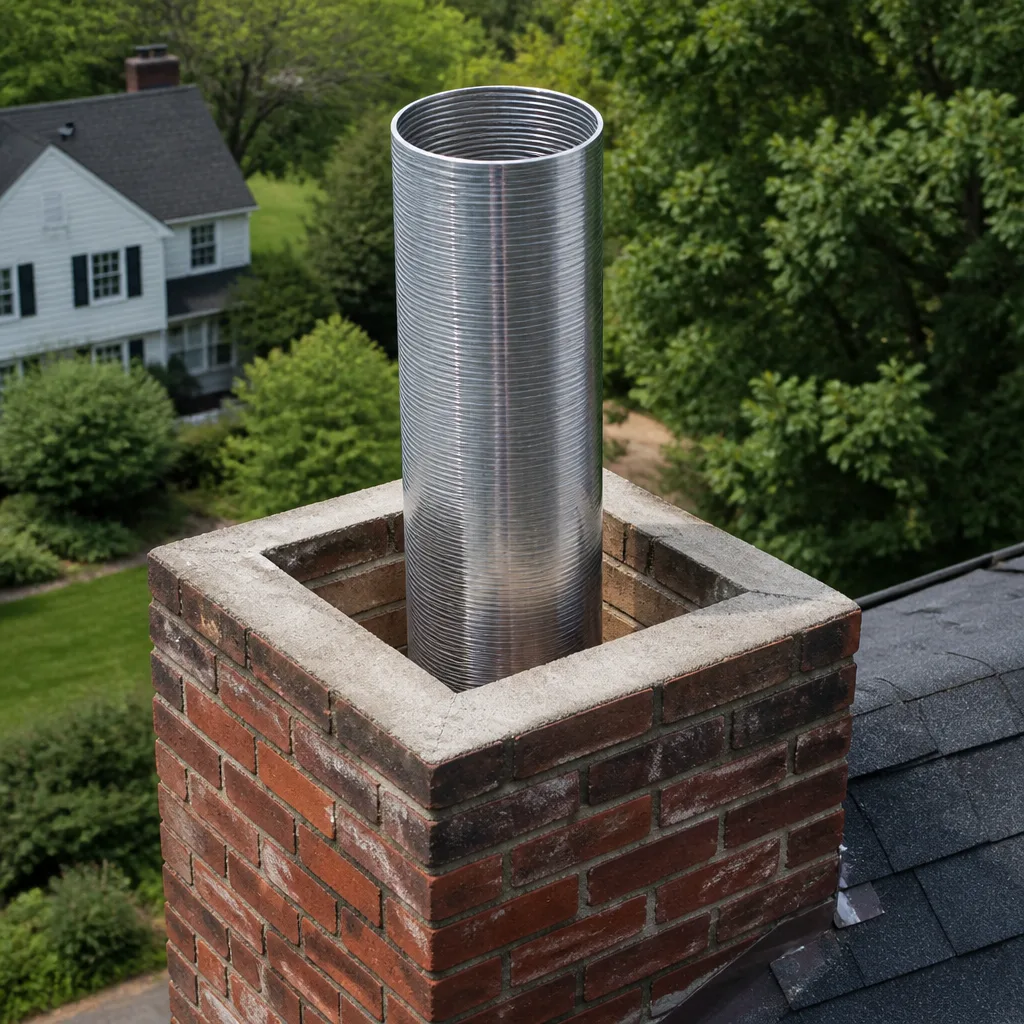 Flue relining
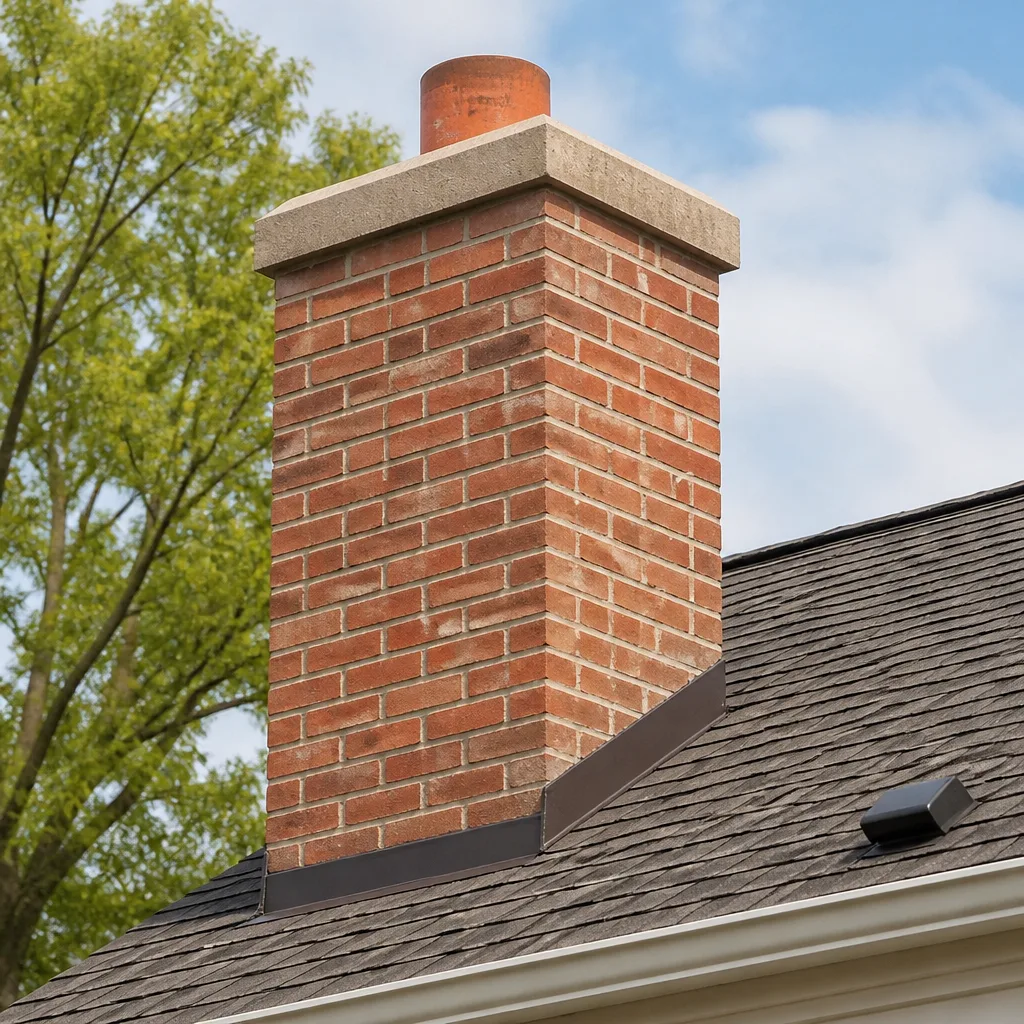 Masonry repair
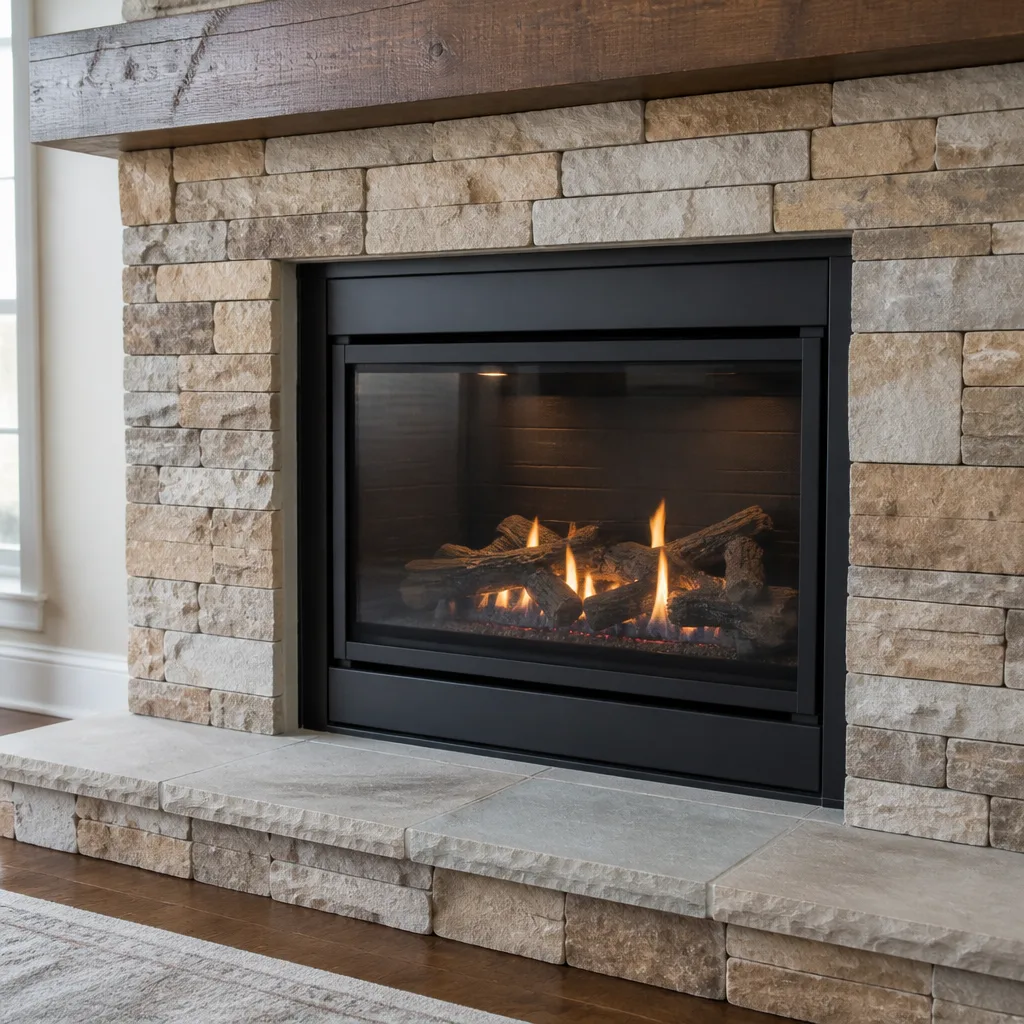 Gas fireplace service
Level 1 sweep and inspection to the NFPA 211 annual standard - flue, crown, cap, and flashing checked and photographed
Chimney sweep logs do not sweep chimneys. They loosen some creosote - which then falls where a brush and vacuum still have to collect it.
Chimney Sweep Maintenance Checklist for McAllen Homeowners
Most chimney maintenance checklists you’ll find online start with creosote. They were written for houses that spend four months under snow, and they put soot and buildup at the top of the list. In McAllen, that ordering is usually wrong. The failure we see most often isn’t a flue packed with creosote after a hard winter. It’s a chimney crown that cracked during a summer downpour, a cap that let months of Gulf rain into the flue, or mortar joints that went soft in the humidity before anyone thought to look at them. Water gets to McAllen chimneys before fire does, and this checklist puts the water items first because that’s the order the problems actually show up here.
Quick Answer
A McAllen chimney maintenance checklist should prioritize moisture protection first: inspect the cap and crown after every heavy rain or tropical system, check mortar joints and flashing twice a year, and sweep the flue based on how much you actually burn rather than a calendar. Liner inspection sits in the middle of the list, not the bottom, because an unprotected flue in South Texas weather degrades faster than most homeowners expect. Fire-related checks still matter, but in this climate the water-damage items come first.
Styles & brands we work with
- Sweep & inspection
- Caps & crowns
- Flue relining
- Masonry repair
- Gas fireplace service
Table of Contents
- Why a McAllen Chimney Checklist Looks Different
- Your Season-by-Season McAllen Chimney Calendar
- After a Tropical Storm or Heavy Rain Event: What to Check
- What You Can Check From the Ground vs. What Needs a Professional
- How Often to Sweep, Based on How You Actually Burn
- Liner Inspection Intervals for South Texas Homes
- The Dryer Vent Belongs on the Same Checklist
- Which Items Need a Licensed Pro and Which Are Homeowner Upkeep
Why a McAllen Chimney Checklist Looks Different
If you pulled a chimney maintenance checklist from a national home-maintenance site, you’d get a template built around winter and freezing. McAllen doesn’t cooperate with that template. Winters here are mild, and the fireplace still gets used, often for atmosphere more than heat. What the local climate actually throws at a chimney is different: heavy seasonal rain, high humidity that keeps masonry damp, and the occasional tropical system driving water sideways against the cap and crown. Those conditions don’t destroy a flue overnight. They work on it slowly, and the damage hides where you can’t see it.
Three things fail first in a South Texas chimney, and they’re the same three that get buried at the bottom of a generic list:
- Masonry and mortar joints. Constant humidity softens mortar over time. When joints erode, water gets deeper into the brick with each storm.
- The chimney cap and crown. The cap covers the flue opening. The crown is the concrete or mortar top of the chimney. Both take the full force of driving rain and sun, and both crack.
- The flue liner surface. A clay tile liner exposed to moisture and repeated heating and cooling can crack or spall. Once it does, the flue no longer does its job of keeping heat and gases inside.
Creosote matters, and we’re not telling you to skip it. But in McAllen, the fire risk from creosote builds slowly in a household that burns a few fires a year. The moisture damage from a cracked crown builds quietly but steadily, and it’s the one that costs more to fix after it’s had a couple of storm seasons to work. That’s the reasoning behind reordering this list: prioritize what actually fails here, not what fails in Minnesota.
Your Season-by-Season McAllen Chimney Calendar
A four-season checklist doesn’t fit this region. Here’s a calendar built around how the year actually runs in McAllen.
- Spring (before the heat settles in). Look at the exterior masonry and flashing while the weather is still mild. Check for loose mortar, cracked crown, and water staining on the chimney’s outside. This is a good time for a full professional inspection if you haven’t had one since before the last season of use.
- Early summer (before storm season peaks). Make sure the cap is intact and securely attached. A loose cap is the single most common way rain gets into a flue here. If the crown shows cracks, get them sealed before the heaviest rain arrives.
- After any major rain event (see the next section). Walk the yard and look at the chimney exterior and the interior ceiling around the firebox. Notice anything new.
- Fall (before you light the first fire). Sweep the flue if you burned last season, and open the damper to check that it moves freely. Test the smoke and carbon monoxide alarms. This is the fire-safety checkpoint on the calendar.
- During the burning season. Keep the firebox clear of ash buildup, and watch for smoke that doesn’t draw properly. Any change in how the fireplace behaves during use is worth a call.
Running a checklist on this schedule in McAllen keeps small issues from becoming storm-season problems. Nothing here requires four appointments a year. Two good professional visits and a handful of quick homeowner checks cover it.
After a Tropical Storm or Heavy Rain Event: What to Check
This is the section no northern checklist will give you, and it’s the one worth bookmarking. When McAllen gets a real rain event, the chimney is one of the few parts of the house that takes the weather head-on and can’t be easily seen from inside. Give it a look within a day or two.
From the ground, and with binoculars if you have them:
- The crown. Look for new cracks, crumbling edges, or a chunk of mortar that’s clearly broken away. The crown is what sheds water away from the flue, and a cracked crown means that water goes into the masonry instead.
- The cap. Make sure it’s still sitting square on top. A cap that’s been pushed off-center or blown loose leaves the flue wide open to whatever falls next.
- Flashing. The metal where the chimney meets the roof. Look for it lifting, curling, or pulling away.
- Brick and mortar. Water staining running down the face, dark patches, or joints that look gouged out.
Indoors, check the ceiling and walls near the chimney and the firebox for new stains, and notice any musty smell that wasn’t there before. Any of these is a sign that water got in, and the sooner a professional looks at it, the less structural work it takes to correct. Don’t wait for the next storm to confirm the problem. One wet season is plenty of time for a small crack to grow into real masonry damage.
What You Can Check From the Ground vs. What Needs a Professional
Knowing where the line sits saves you time and keeps you off the roof. Here’s the honest split.
Safe for you to check from the ground:
- Exterior masonry appearance and visible staining, with binoculars from the yard
- Whether the cap is present and sitting straight
- Crown condition, as far as you can see it
- Flashings at the roofline, if visible
- Damper operation from inside, with a flashlight
- Smoke and carbon monoxide alarm testing
- Interior signs of water around the firebox and ceiling
Requires a trained professional:
- Any work on the roof or the top of the chimney
- Camera inspection of the flue interior
- Assessment of the liner, joints, and firebox structure
- Any masonry or crown repair
- Liner resurfacing or relining
- Anything involving a fireplace insert or vented appliance connection
Two rules keep you safe and honest with yourself. First, stay off the roof; height work on a chimney is exactly what a trained professional is for, and it’s not worth a fall. Second, don’t reach into a flue or try to scrape it out yourself. A pro arrives with camera equipment and looks at what you can’t see from the ground. That camera inspection and photo report is how you get proof of the flue’s true condition rather than a guess.
How Often to Sweep, Based on How You Actually Burn
The old advice was once a year, full stop. That number came from households burning daily through a long heating season. Most McAllen households don’t burn that way, and the right interval depends on your actual fireplace habits. In our experience across South Texas, these are the ranges that make sense:
- A few fires a year, mostly for atmosphere: sweep every couple of years, and get a proper inspection before skipping.
- Several fires a month through the cooler months: sweep roughly once a year, before the burning season starts.
- Frequent use, nearly every cool night: annual sweeping is the floor. Some households need it more often, which an inspection will tell you.
- Gas insert or a vented appliance: the flue still needs checking on a regular basis. It’s not creosote you’re watching for here so much as venting condition and moisture. Around once a year is a fair starting point.
- Wood you burn matters too. Seasoned, dry wood produces less creosote than wet or green wood, so a well-seasoned woodpile stretches the interval.
Don’t guess at this. A sweep and inspection tells you exactly what’s in your flue, and the report gives you a basis for deciding when the next visit is due instead of running on a national average that has nothing to do with your fireplace. Once you’ve had one inspection, you’ll know your own interval. That knowledge is worth more than any generic calendar.
Liner Inspection Intervals for South Texas Homes
A lot of homeowners assume the liner is fine unless something dramatic happens. In our experience, the liner is where undetected moisture damage shows up first, and it’s why liner inspection belongs in the middle of the checklist rather than at the very bottom. A clay tile liner handling heat cycles and damp conditions can develop hairline cracks that you’d never notice from a chair by the fire.
A sensible inspection rhythm for a McAllen home:
- Baseline inspection when you move in or when you haven’t had one in memory, so you know what you’re starting with.
- Before the burning season if you’ve had any moisture problem or storm damage since the last inspection. A wet flue and heat don’t mix well.
- On your regular sweep interval after that, with the interior reviewed by camera each time.
- After any visible water intrusion, immediately, not on the calendar.
If the inspection reveals a deteriorated liner surface, full replacement isn’t automatically the answer. HeatShield chimney resurfacing can restore a worn flue without tearing out and relining the whole thing, which is a meaningfully different cost than a full liner job. That option isn’t part of the toolkit for a sweep-only operation, and it’s worth asking about explicitly if you’re told you need a new liner. For flues with irregular interiors or degraded clay tile, a DuraFlex flexible liner system is the industry-standard approach, and it’s built to fit the flue you actually have rather than the perfectly straight one the internet assumes. When a chimney professional hands you a reline proposal, ask what brands are in it. We name the brands we install because you deserve to know what’s going into your chimney.
The Dryer Vent Belongs on the Same Checklist
Here’s the item that gets left off almost every chimney maintenance checklist, and it shouldn’t be. A clogged dryer vent is a fire hazard in the same way a neglected flue is: a buildup of lint catching heat from the appliance. It’s just as serious and just as preventable. So put it on the same calendar you keep for the chimney.
What to watch for as a homeowner:
- Clothes that take longer than usual to dry, or come out hot
- A dryer that feels hot to the touch on the outside
- Lint visible around the vent’s exterior damper
- Any burning smell when the dryer runs
The dryer vent should be cleaned on a regular schedule, and more often in a busy household that runs laundry constantly. When the vent duct runs long or takes several turns before it exits the house, lint collects at the bends. That’s a job for a professional with the right equipment, and it’s the same crew that handles the chimney when you call us. Chimney sweep, liner repair, dryer vent cleaning; one call, one crew, no handoffs. We treat dryer vent cleaning as a fire-safety service on par with chimney work, because that’s what it is.
Which Items Need a Licensed Pro and Which Are Homeowner Upkeep
There’s a lot of fuzzy advice about this online, so here’s the clear split for a McAllen homeowner. Get the line right and you’ll never be unsure whether to pick up the phone.
Homeowner upkeep (safe for you to do):
- Ground-level visual checks of the cap, crown, and exterior brick
- Testing smoke and carbon monoxide alarms
- Operating and viewing the damper
- Clearing ash from the firebox
- Keeping combustibles clear of the hearth
- Watching the dryer for the warning signs above
Licensed or trained professional work (stop here and call):
- Cleaning and sweeping the flue interior
- Camera inspection
- Any masonry, crown, cap, or flashing repair
- Liner resurfacing or replacement
- Fireplace insert and vented appliance connection work, including venting components from brands like Olympia Chimney and Famco that bridge the chimney to the broader exhaust system
- Dryer vent cleaning when the duct is long or hard to access
The rule of thumb is simple. If it involves the roof, the inside of the flue, or fire, it’s a professional’s job. If it’s a look with your eyes from the ground, you can do that yourself and it’s genuinely useful. Most cities require a permit for structural chimney work, so if a repair is proposed, ask your city’s building department whether a permit is needed and confirm the professional you hire will pull it.
Common Mistakes to Avoid
- Working from a northern checklist. A four-season template puts water damage at the bottom. In McAllen it should be at the top. If you follow the generic version, you’ll spend time on the wrong items and miss the ones that matter here.
- Skipping the cap check after a storm. The cap is the one roof item a McAllen homeowner can actually see from the yard, and it’s the first thing to watch after heavy rain. Give it a look within a day or two of any big weather instead of waiting until the next burn season.
- Waiting for creosote buildup to prompt a sweep. A few fires a year doesn’t produce much creosote, so “wait until it’s dirty” can mean waiting years. Sweep and inspect on your own usage-based interval instead.
- Assuming the liner is fine because you can’t see it. The liner wears out of sight. Camera inspection is how you find out what it looks like, and skipping it because nothing “feels” wrong is how small cracks get to matter.
- Settling for a reline quote without asking about resurfacing. If you’re told the flue needs a full liner, ask specifically whether resurfacing could restore it instead. A sweep-only operation has no way to offer you that option.
- Treating the dryer vent as separate from chimney safety. Both are combustion-appliance exhaust paths, and both collect flammable material. Put them on the same schedule and stop thinking of the dryer as unrelated.
- Doing roof work yourself. Climbing onto a roof to clear a flue or check the cap is the most common way a routine check becomes an injury. Stay on the ground and call a professional for anything above it.
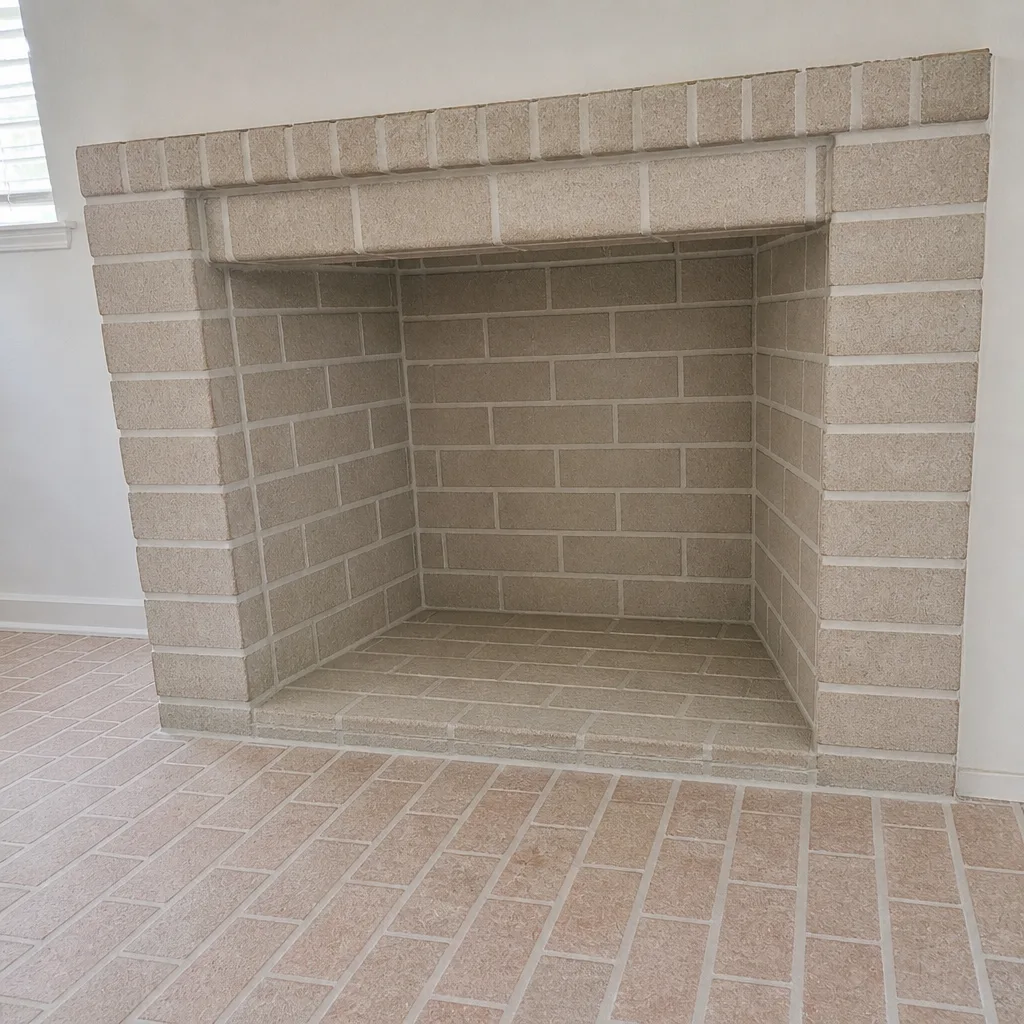
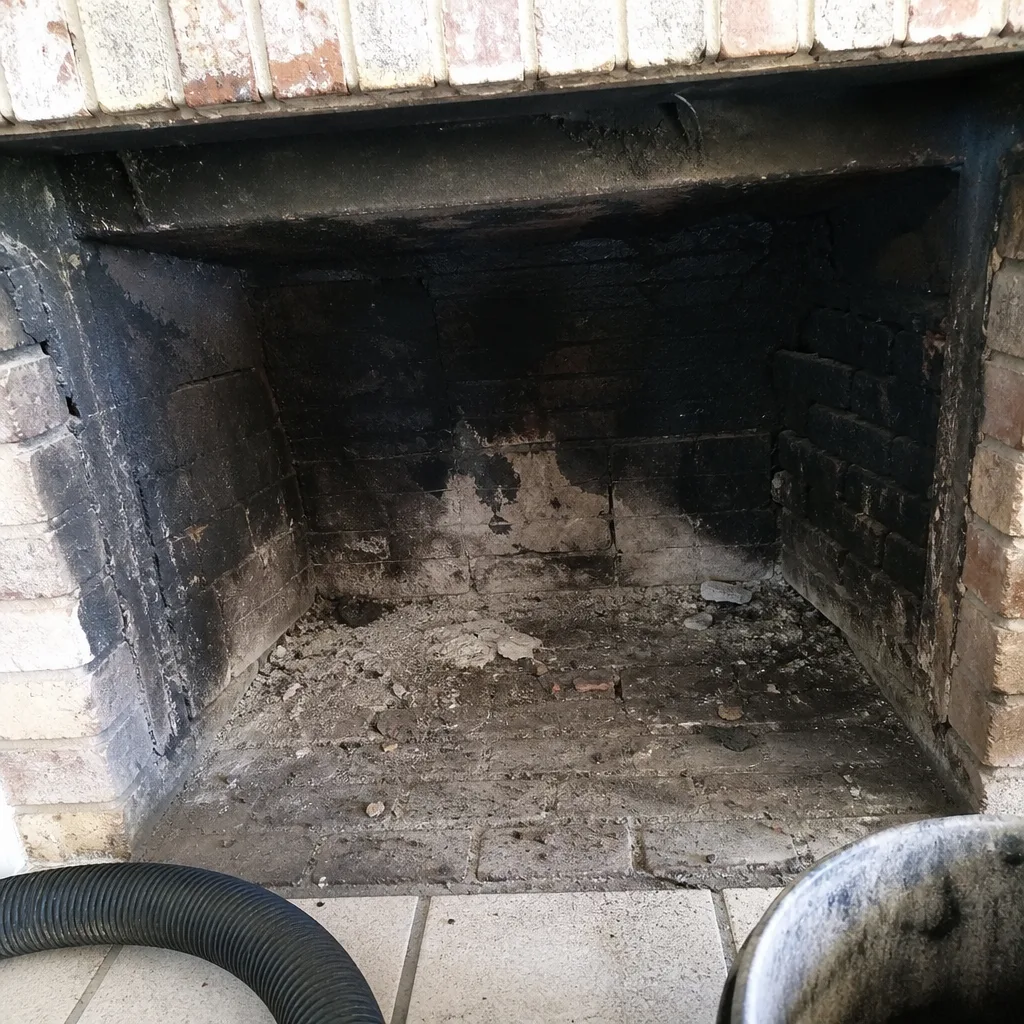
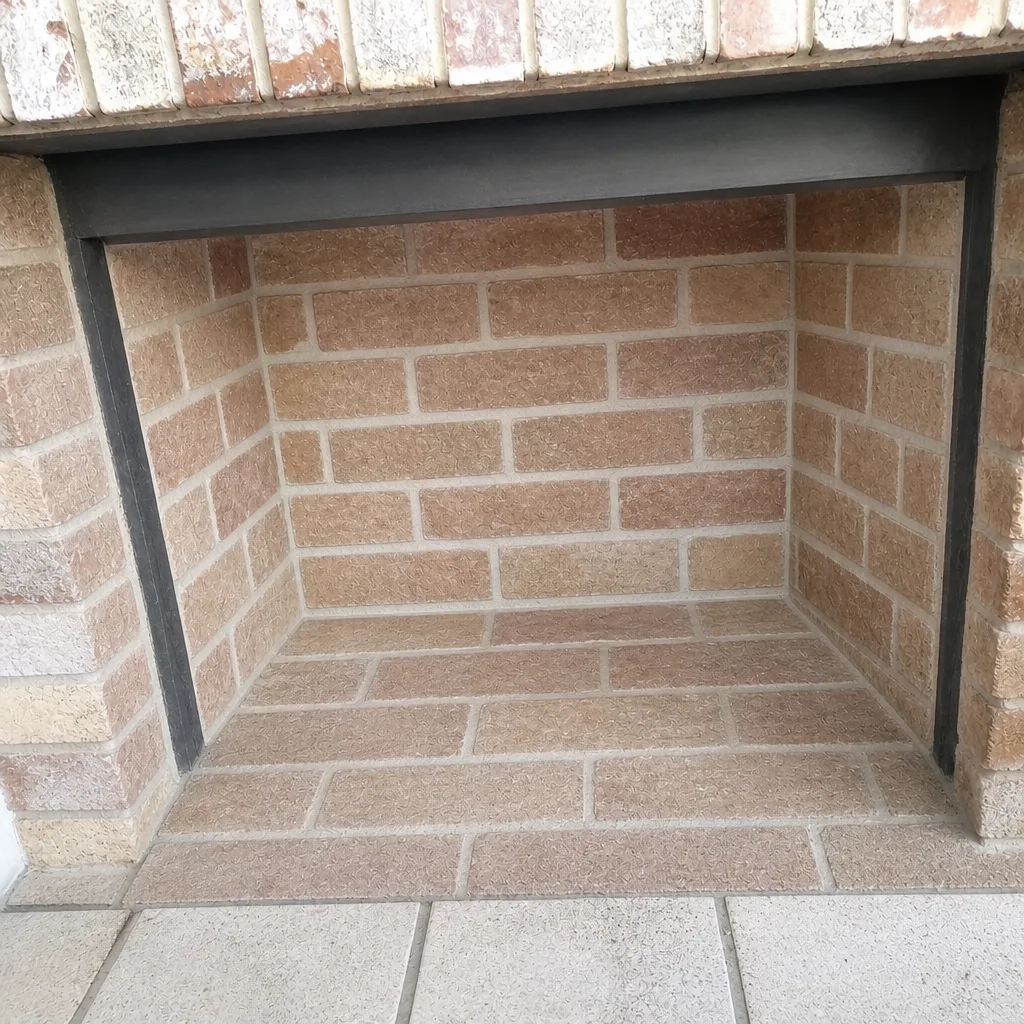
See the difference
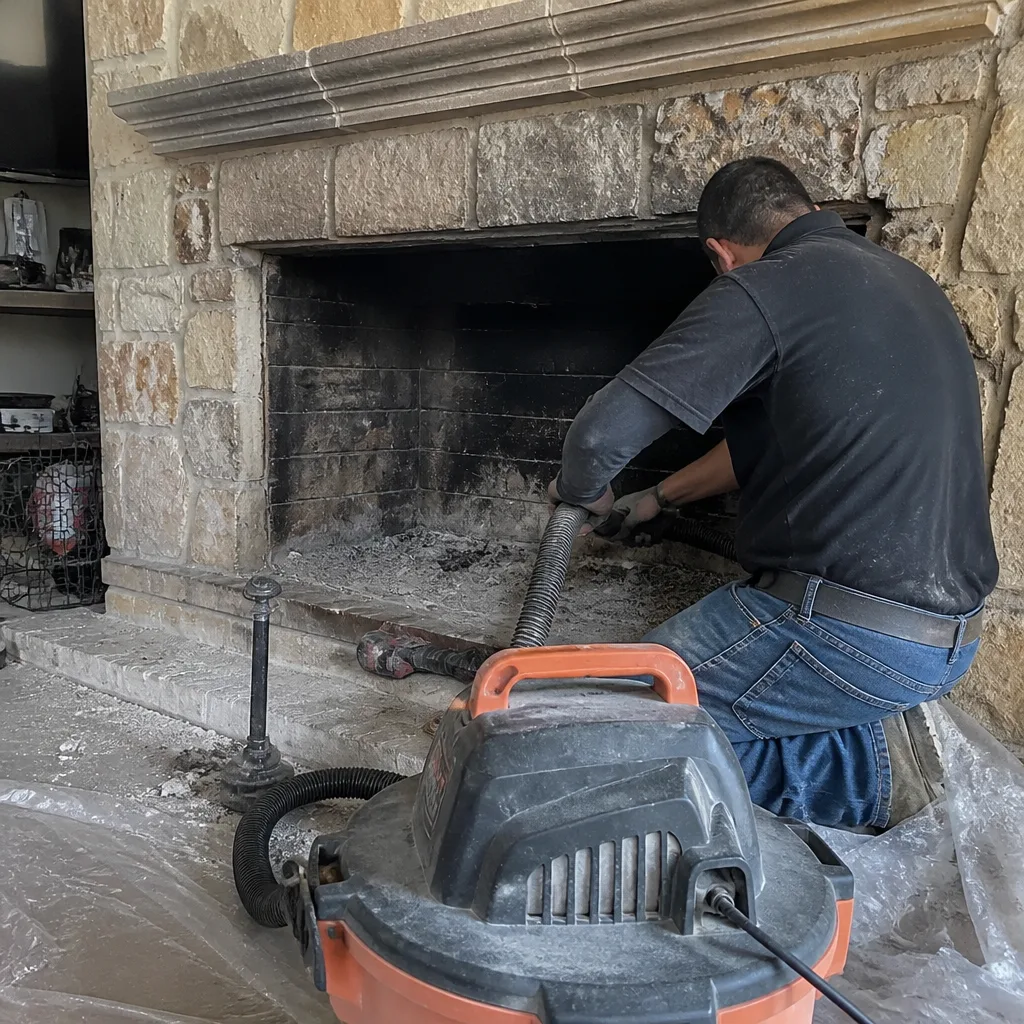 Before
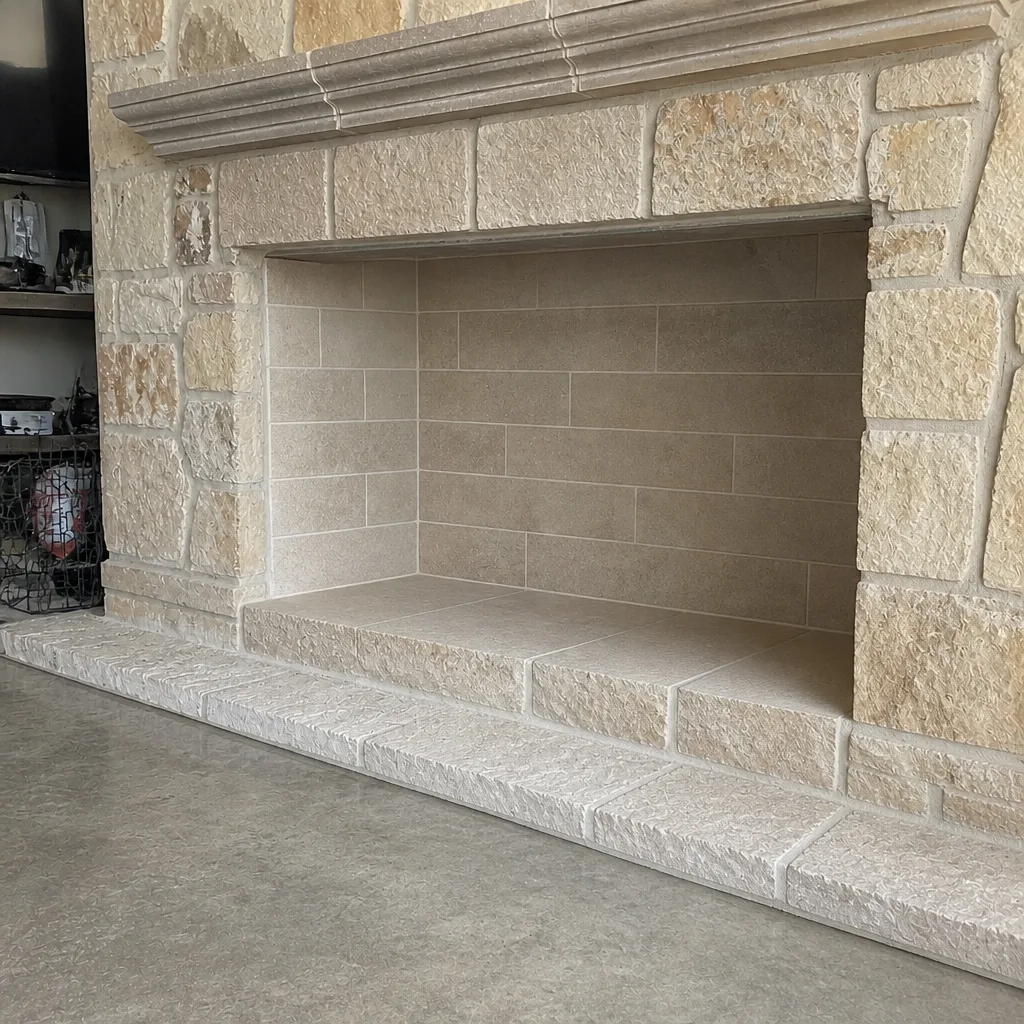 After
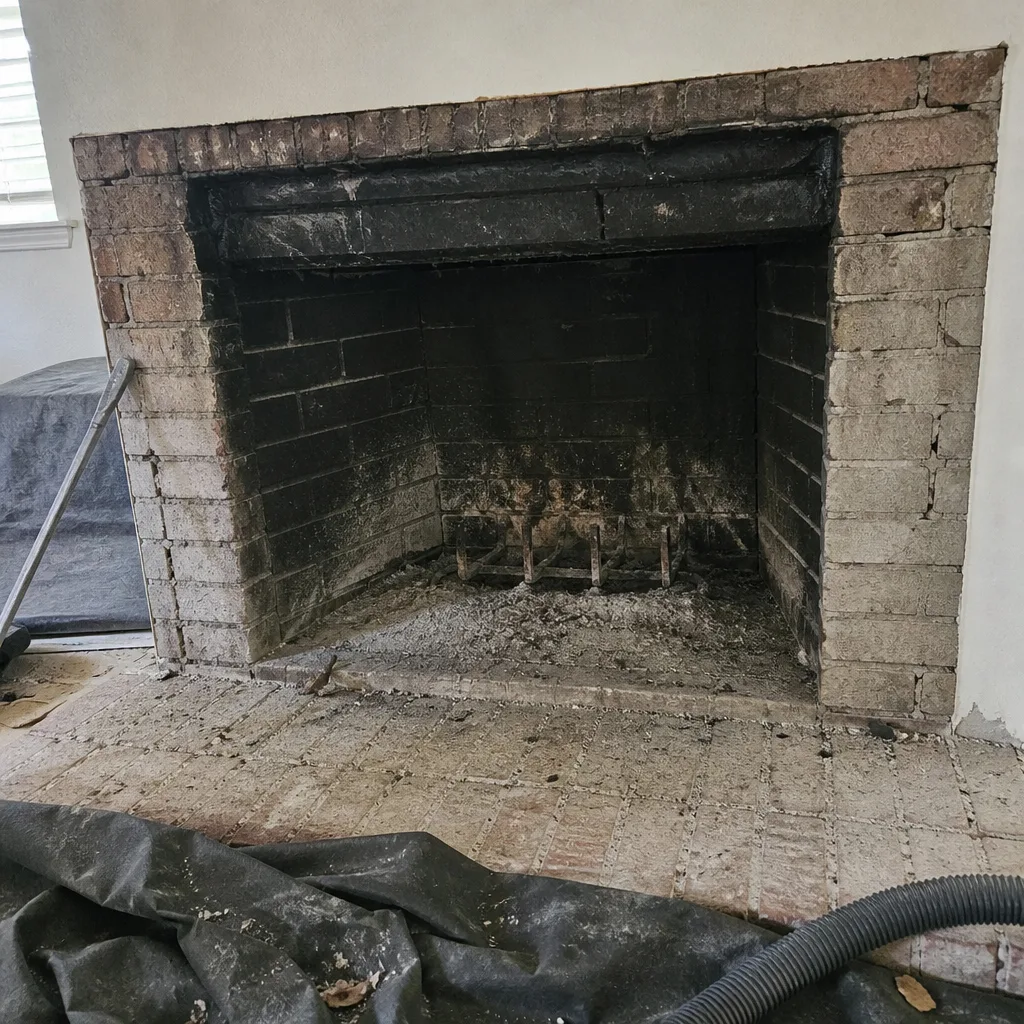 Before
 After
 Before
 After
When to Call a Professional
Call a professional if you haven’t had a proper chimney inspection in memory, if you’re moving into a home with a fireplace you don’t know the history of, or if you’ve only ever had a quick sweep and never a camera look inside the flue. Call after any visible water intrusion, any change in how smoke draws, or any storm that leaves you unsure about the cap and crown. Call before your first fire of the season if you burned heavily last year. And call if you’ve noticed your clothes coming out of the dryer hot or your laundry taking longer to dry, because the dryer vent is on the same safety list. Chimney Sweep McAllen offers free estimates in McAllen. Call (866) 566-0403 and we’ll set it up.
Frequently Asked Questions
Most McAllen households should sweep based on how much they actually burn, not once a year by default: every couple of years for a few fires a season, roughly annually for regular use, and annually or more for heavy use. A proper inspection before skipping tells you where your fireplace actually falls. Call (866) 566-0403 for a free estimate and we’ll help you set the right interval.
Check the cap for movement, the crown for fresh cracks, the flashing where the chimney meets the roof, and any water staining on the exterior brick from the ground with binoculars. Indoors, look for new stains near the firebox and around the ceiling. Anything that shows up is a call to a professional, because water that got in needs to be addressed before the next event. Call (866) 566-0403 for a free estimate.
Often it can be resurfaced. HeatShield chimney resurfacing restores a deteriorating flue without a full reline, and that’s a real alternative when the liner is worn but the structure is sound. Ask specifically about it if you’re handed a reline proposal, since a sweep-only operation can’t offer it. Call (866) 566-0403 for a free estimate and an honest read on what your flue actually needs.
A homeowner can safely check the cap, crown, flashing, and exterior brick from the ground, test the alarms, and operate the damper. Anything involving the roof, the inside of the flue, the liner, masonry repair, or a vented appliance connection needs a trained professional. When in doubt, treat it as a pro job. Call (866) 566-0403 for a free estimate.
Because it’s the same kind of fire hazard: lint buildup around a hot appliance exhaust. A clogged dryer vent catches fire the way a neglected flue does, and it’s just as preventable. At Chimney Sweep McAllen we treat dryer vent cleaning with the same seriousness as chimney work. Call (866) 566-0403 for a free estimate.
Pricing is set per job by a written estimate, because no two flues and no two dryer vent runs are the same, so we don’t quote a flat figure before taking a look. You’ll get the price in writing before any work is booked, and the estimate itself is free. Call (866) 566-0403 for an exact quote, and if you’re looking for a chimney sweep in McAllen, that call is the place to start.
The Bottom Line
A chimney checklist for McAllen should reorder the standards around what actually fails here. Water first: the cap, the crown, the flashing, and the masonry, checked after every real rain event. Then the liner, inspected on a schedule based on your use and given a camera look each time. Then the fire-safety items, including your sweep interval and alarms. Add the dryer vent to the same calendar, and keep the roof work with a professional. Do those things on a two-visit-a-year rhythm and your chimney will hold up to South Texas weather far better than one running on a northern template. That’s the whole approach, and it comes down to knowing which items come first.
If you’d like this checklist handled by a team that works with recognized industry brands like DuraFlex, Olympia Chimney, and Famco, and that can resurface a liner instead of automatically replacing it, Chimney Sweep McAllen is here to help. We answer 24/7. Fast dispatch from 7am to 7pm, Sunday through Friday. Call (866) 566-0403 for a free estimate, and we’ll start with the items that matter most in your McAllen home.
For the full picture of how we work across the region, start at our main Chimney Sweep McAllen page, or explore our McAllen service area to see what’s covered.
Written by the team at Chimney Sweep McAllen.