
Last updated November 14, 2026
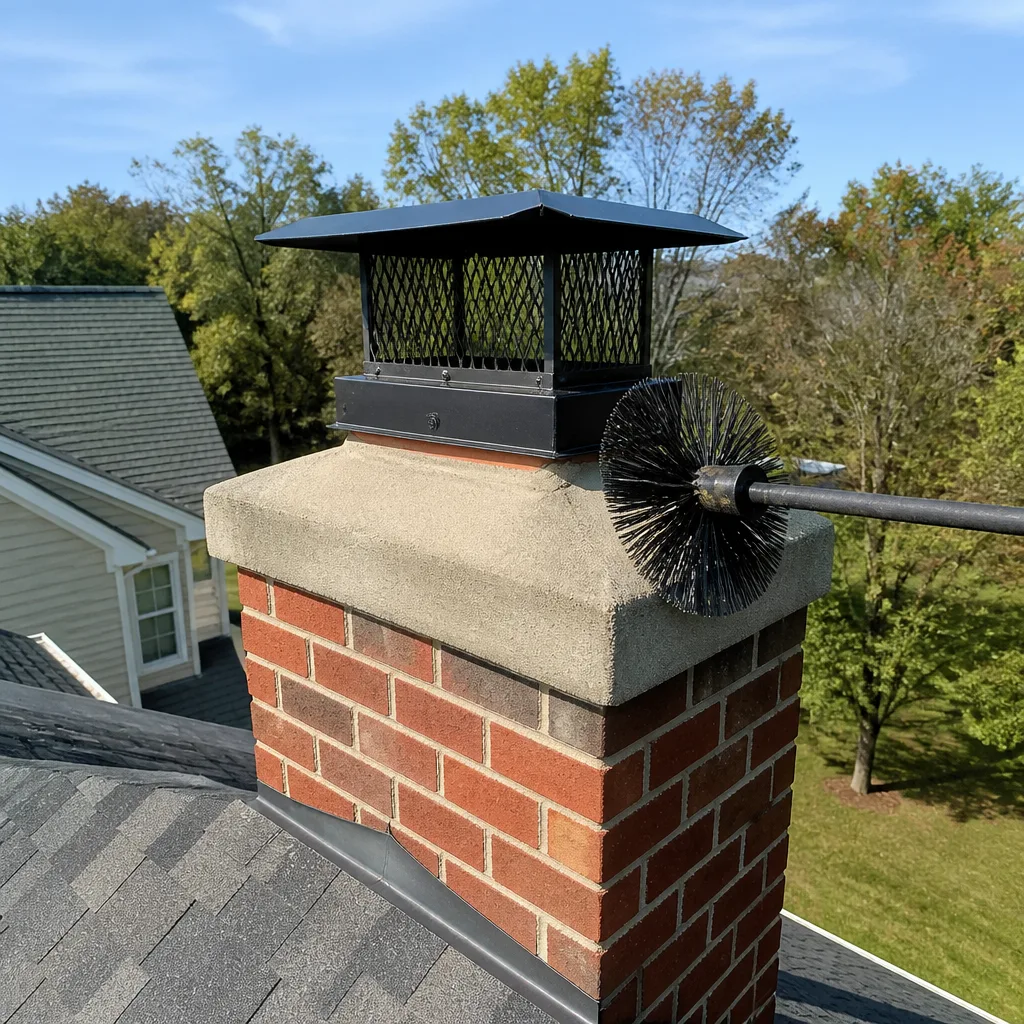 Sweep & inspection
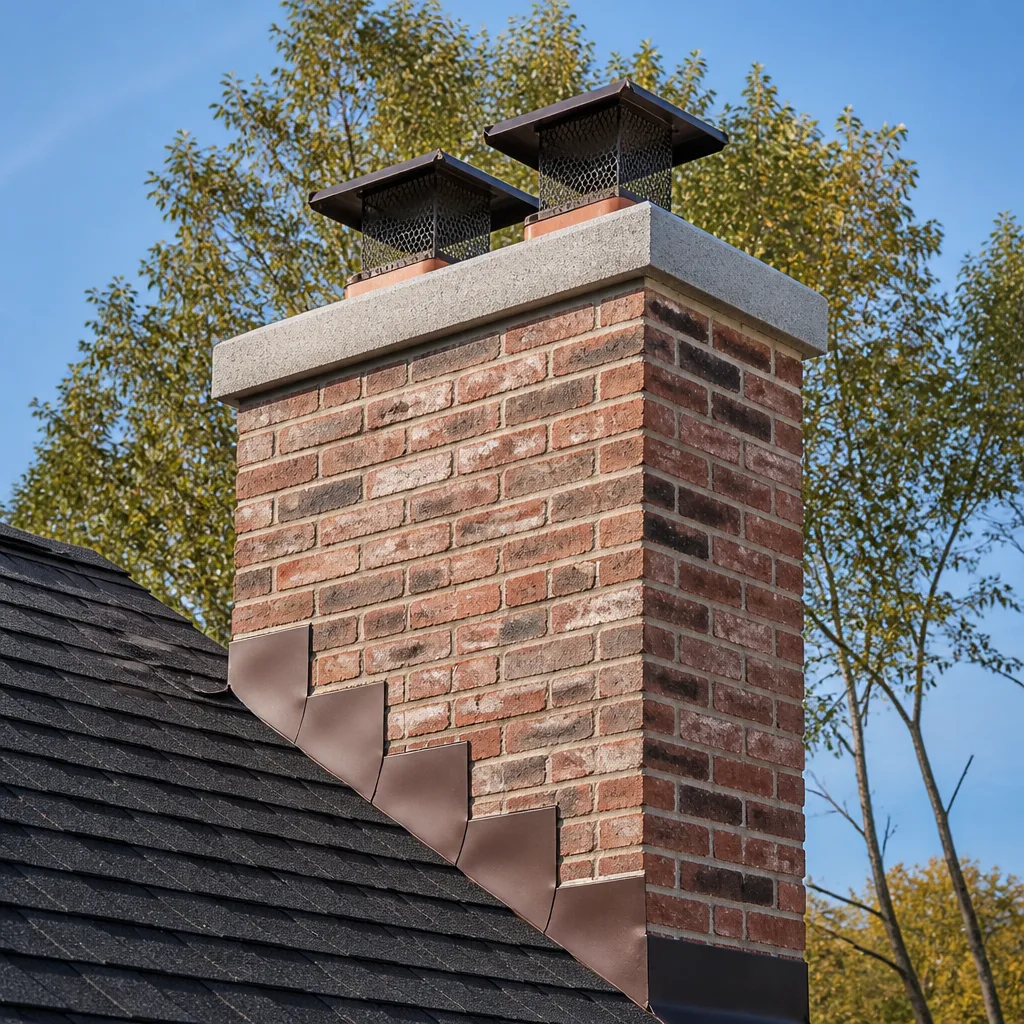 Caps & crowns
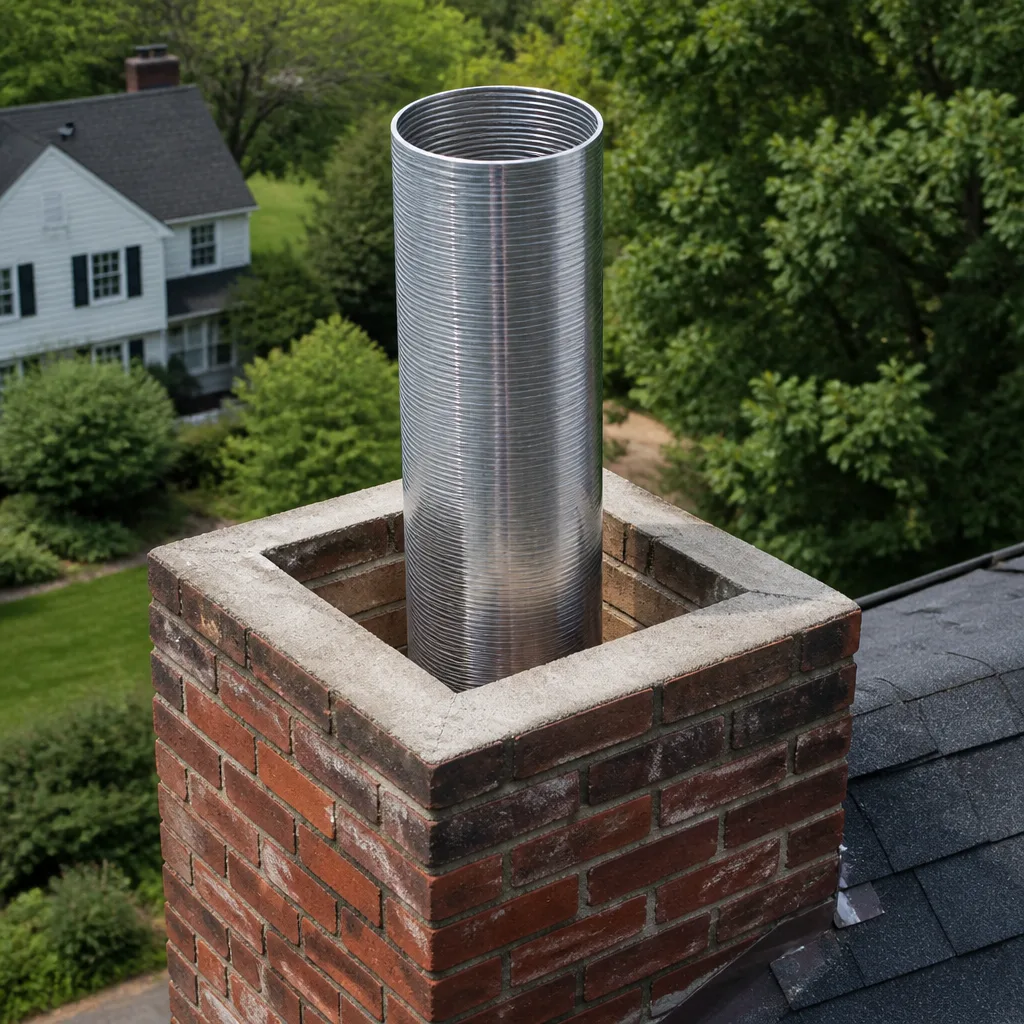 Flue relining
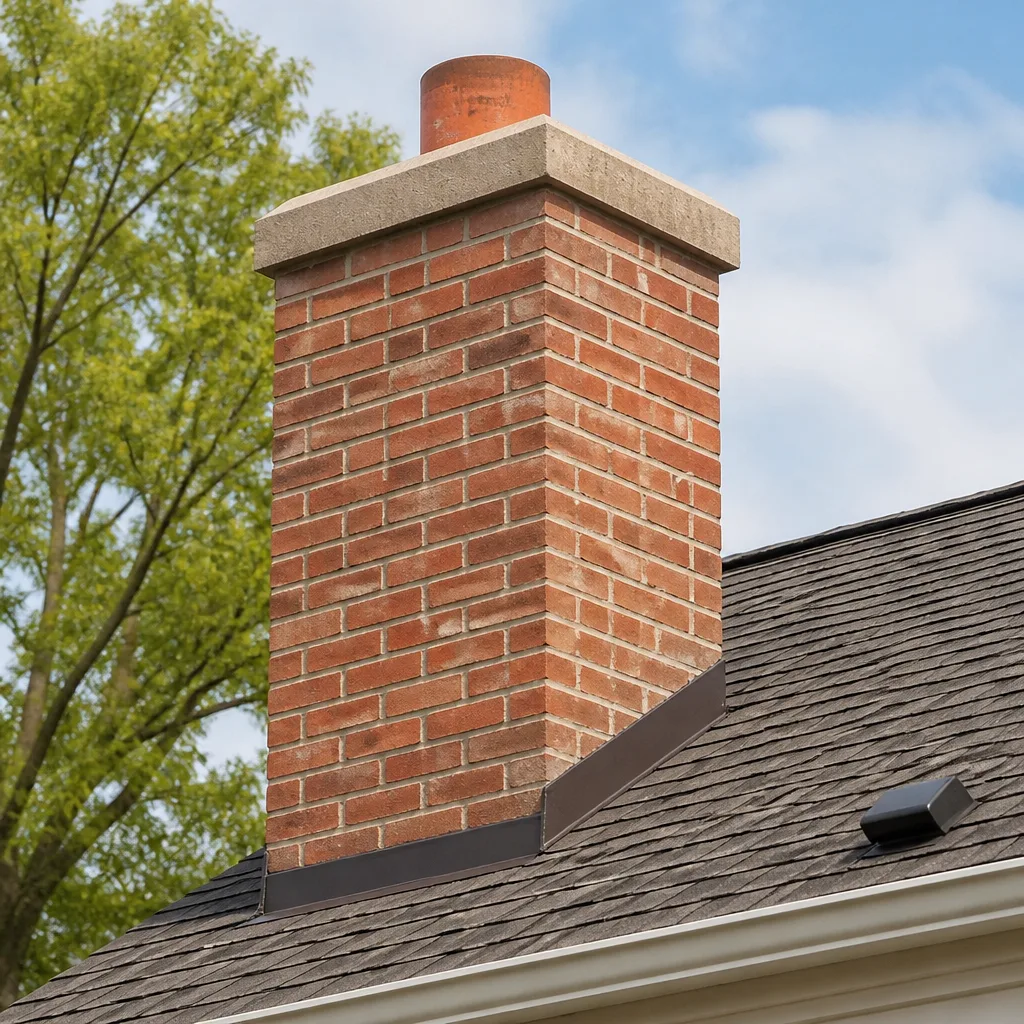 Masonry repair
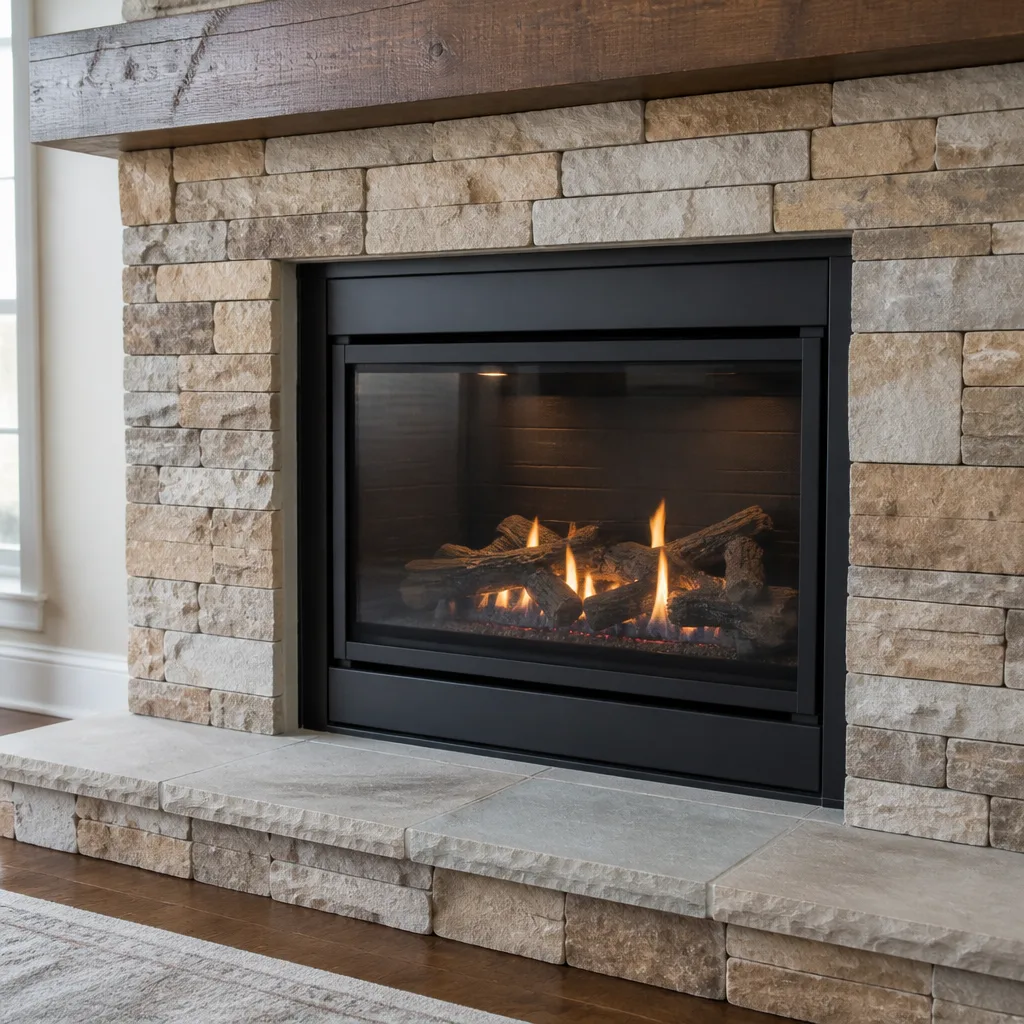 Gas fireplace service
Level 1 sweep and inspection to the NFPA 211 annual standard - flue, crown, cap, and flashing checked and photographed
Chimney sweep logs do not sweep chimneys. They loosen some creosote - which then falls where a brush and vacuum still have to collect it.
Seasonal Chimney Cleaning Care for McAllen: Year-Round Homeowner’s Guide
If you’re following a chimney care schedule written for a Midwest or Northeast homeowner, you’re doing maintenance at the wrong times and skipping it at the times that actually matter in McAllen. Most guides tell you to clean in fall, burn through winter, and forget the chimney until next year. That rhythm assumes a long, cold heating season. Here in the Rio Grande Valley, our year looks nothing like that. Summer runs long and hot, winter arrives late and leaves early, and Gulf-influenced wet weather reshapes how masonry and metal components age. This guide maps the right chimney tasks to the right months for a McAllen home, so you’re inspecting when moisture and pests are the real threat and sweeping before the short burn season actually begins.
Quick Answer
In McAllen, the most important chimney work happens in spring and late summer, not fall. Book an inspection after your last fire of the season (usually March or April) to catch moisture, pest, and heat damage while it’s still small, then sweep and check venting again in September or early October before the short 8-to-12-week burn season starts. Fall is when demand spikes, so scheduling ahead of the October rush is what keeps you from waiting.
Styles & brands we work with
- Sweep & inspection
- Caps & crowns
- Flue relining
- Masonry repair
- Gas fireplace service
Table of Contents
- Why Chimney Care in McAllen Looks Different
- Your Month-by-Month Chimney Calendar
- Why Spring Is the Most Important Inspection Window
- How Gulf Humidity and Tropical Weather Affect Your Chimney
- Preparing for a Burn Season That’s Short and Irregular
- Booking Around McAllen’s Demand Windows
- The Other Vent That Needs Seasonal Care
- Your Annual Chimney Checklist
Why Chimney Care in McAllen Looks Different
The standard chimney advice you’ll find online was written for places with five or six months of steady heating. McAllen doesn’t have that. Our cooling season dominates the calendar, our heating season is brief, and the weather in between is shaped by Gulf moisture and the occasional tropical system. That changes when your chimney is actually under stress and when it’s most vulnerable to damage.
Think about what your chimney experiences over a year in McAllen. From roughly May through September, it sits mostly dormant while heat and humidity work on it from the outside. Masonry absorbs moisture during the wet season. Metal components expand and contract through hot days and warm nights. Pests move in during the quiet months. Then, when the first cool front finally arrives, usually sometime in November or December, you light the first fire of the year in a flue that hasn’t moved air in months.
That dormant period is the part most homeowners ignore. A chimney that isn’t being used isn’t necessarily fine. It’s accumulating the kind of slow damage that shows up as a cracked crown, a crumbling flue, or a nest blocking the draft. Catching those things before the burn season is what a chimney sweep visit is really for, and it’s why our inspection calendar here is weighted toward spring and late summer rather than fall.
- Long cooling season: Your chimney is dormant for much of the year, which means damage builds quietly instead of showing up as smoke problems.
- Short, irregular heating season: Eight to twelve weeks of actual burning, often interrupted by warm spells.
- Gulf moisture: Humid air and heavy rain seasons stress masonry differently than dry cold does.
- Tropical weather: Storm systems bring wind-driven rain that finds cracks and gaps you can’t see from the hearth.
Your Month-by-Month Chimney Calendar
Here’s how the year breaks down for a McAllen chimney. This is a general guide, not a rigid schedule. If you burn often or have an older home, you’ll want more frequent checks. But it gives you a realistic calendar to work from instead of the fall-only rhythm most guides assume.
- January and February: Your main burn season. Burn dry, seasoned wood, keep an eye on draft quality, and note any change in how the fireplace draws or smells. Schedule nothing unless something seems off.
- March and April: Last fires of the season, then your post-season inspection. This is the single most important appointment on the McAllen calendar. Get the flue and firebox checked while the season’s wear is fresh.
- May and June: Pre-wet-season check on the exterior. Look at the crown, cap, flashing, and masonry from the ground. Early summer is when you want the cap and flashing sound before heavy rain arrives.
- July and August: Dormancy with humidity. Watch for musty smells, water stains on the firebox, or rust on metal components. These are signs moisture is getting in.
- September and October: Pre-season sweep and venting check. Get the flue cleaned and cleared of any pest debris or summer buildup before the first fire. Book early, because this is when everyone else calls.
- November and December: Burn season begins. Enjoy it. If your September sweep was done, you’re starting clean.
Notice that two of the most important tasks, post-season inspection and pre-season sweep, sit on either side of the long dormant period. That’s not an accident. It’s how you stay ahead of the damage a quiet chimney accumulates in this climate.
Why Spring Is the Most Important Inspection Window
Spring is when your chimney has just finished a season of use and is about to enter months of heat and humidity. That makes it the ideal moment to inspect, because you’re catching problems at the front end of the period when they’ll get worse. An inspection in March or April tells you what the burn season did to the flue, and it gives you time to schedule any repair before the wet season and before the dormant summer.
Three things happen to a McAllen chimney over the cooling months, and spring is when you can still get ahead of all of them.
- Moisture intrusion: Humid air and rain find their way into cracked masonry, a failing crown, or loose flashing. Left alone through the summer, that moisture weakens mortar and can rust metal components from the inside.
- Pest activity: Birds, squirrels, and insects treat a dormant flue as prime real estate. A nest or debris block discovered in spring is a simple clearing. Discovered in November, it’s a scramble before your first fire.
- Heat damage from the season: Creosote buildup and any cracking from a season of fires are visible in spring. That’s when a sweep and a structural look do the most good, since the flue will sit empty for months afterward.
This is also the window where materials matter. A certified specialist can assess whether a deteriorating flue liner needs resurfacing rather than a full reline. HeatShield resurfacing is a trained application that restores a clay flue’s interior without pulling the whole liner, and it’s the kind of judgment call you want made in spring when there’s time to plan, not in October when the season is about to start. If you have questions about whether resurfacing is right for your flue, a spring inspection is when to ask.
How Gulf Humidity and Tropical Weather Affect Your Chimney
Gulf moisture treats masonry and metal very differently, and knowing which part of your chimney you’re dealing with tells you when to look. Masonry and mortar are porous. They soak up humid air and hold it, and heavy rain seasons push water into any crack, joint, or gap that isn’t sealed. Metal components, by contrast, are affected by moisture plus heat, which is the combination that speeds up rust on caps, dampers, and metal flue parts.
Masonry and Mortar
In a humid climate, the brick and mortar of a chimney are under near-constant moisture pressure during the warm months. A crown that’s starting to crack lets water in from the top, and water that gets into masonry expands and contracts with temperature swings, slowly opening joints wider. Check the crown and the mortar joints from the ground before the wet season, and have a professional look closely during your spring inspection. Repointing and crown repair done early are far less disruptive than a masonry rebuild later.
Metal Components and Liners
Caps, dampers, and any metal liner or venting components are exposed to humid air and heat, which is what drives rust and corrosion. When a chimney is relined, the material matters. DuraFlex flexible liner systems are the industry standard for relining irregular or aging flues, and they hold up well to the kind of humid, warm environment a Rio Grande Valley chimney sits in. A flexible liner built for the flue you actually have handles the bends and inconsistencies of an older chimney far better than a rigid system forced into a shape it doesn’t fit.
What to Check and When
- Before the wet season (May-June): Check the cap, crown, and flashing from the ground. Make sure water can’t run in from the top.
- During the wet months (June-September): Watch for interior water stains, musty smells, or rust. These mean moisture is getting past an exterior defense.
- After a tropical system: Wind-driven rain can find cracks you couldn’t see. Have the exterior inspected after a major storm if you notice new signs inside.
If your chimney has older clay tile that’s spalling or cracked, or an interior that’s too irregular for a standard liner, that’s a conversation worth having before the burn season, not during it.
Preparing for a Burn Season That’s Short and Irregular
“Preparing for the burn season” in McAllen means something different than it does up north. Here, the season is roughly eight to twelve weeks, and it’s irregular. A cool front brings a few nights of real fireplace weather, then it warms back up and the fireplace sits again. You might burn twenty nights in a season, or you might burn sixty. That unpredictability is exactly why preparation matters more, not less.
In a long, steady cold season, you get feedback every day. If the draft is weak or the flue is dirty, you notice it fast. In our short, on-and-off season, a problem can hide for weeks because you’re not burning often enough to see the pattern. A blocked or dirty flue might only show itself on the coldest night of the year, when you most want the fire to work.
Realistic pre-season preparation looks like this:
- Sweep the flue so you’re starting with a clean interior and no creosote or debris buildup.
- Clear any summer debris from pests or nesting, which is common in a flue that sat unused for months.
- Check the cap and spark screen so animals and rain stay out during the season.
- Confirm the damper opens, closes, and seals properly before you rely on it.
- Look at the firebox and liner for cracks or gaps that a season of heat will only widen.
We work with recognized components like Olympia Chimney caps and venting parts so a pre-season repair uses the right component for your setup, not a universal piece forced to fit. That matters when the flue you have isn’t the perfect textbook flue. Get this done in September or early October, before the first cool front, so the season starts with everything working.
Booking Around McAllen’s Demand Windows
Chimney demand in McAllen clusters hard in October and November. That’s when the first cool fronts arrive, when homeowners remember the fireplace, and when everyone calls at once. The booking window gets tight fast, and the later you call, the further out you get scheduled. If you wait until the first cold snap, you may be waiting weeks for a sweep.
Two things solve this, and both are about timing rather than effort.
First, book your pre-season sweep in September, before the October rush. The weather is still warm, demand is low, and you get on the schedule easily. Second, use the spring inspection as your second anchor. Book it in March or April right after your last fire, when the season’s wear is fresh and the demand is low. Those two appointments, spring and late summer, keep your chimney on track without ever competing with the fall rush.
If you’re serving a home in McAllen, you already know how much of the year is warm and how suddenly the cool weather can arrive. Scheduling ahead of the crowd is the single easiest way to avoid the tight booking windows that come with a short, compressed burn season. We’d rather see your chimney in September when there’s time to fix anything, than in November when the first fire is days away.
The Other Vent That Needs Seasonal Care
Your chimney isn’t the only exhaust system in your home that needs seasonal attention. The dryer vent is a fire-safety concern on its own, and in a climate where the dryer may run year-round, lint accumulates steadily. We treat dryer vent cleaning with the same seriousness as chimney work, because a clogged dryer vent is a genuine fire hazard, not an inconvenience.
The seasonal logic is similar to the chimney. Check it before the heaviest use periods and after the long, hot stretches when it’s been running hard. If your dryer takes longer to dry a load, feels hot to the touch, or the outside vent flap barely moves, those are signs lint is building up. A camera inspection with a photo report shows you exactly what’s inside, so you can see the problem for yourself rather than take our word for it.
Whether it’s the flue or the dryer vent, the principle is the same: clear the passage, inspect the components, and do it on a schedule that fits this climate rather than one written for somewhere else.
Your Annual Chimney Checklist
Here’s the whole year in one place. Use this as a quick reference to stay on top of chimney care in McAllen without having to remember the logic behind each task.
- After your last fire (March-April): Post-season inspection. Check the flue, firebox, liner, crown, and flashing for moisture, pest, and heat damage. Schedule any repair while there’s time to plan.
- Before the wet season (May-June): Exterior check. Confirm the cap, crown, and flashing are sound so heavy rain can’t get in.
- Through the wet months (June-September): Watch for interior water stains, musty smells, and rust. Any of these means moisture is getting past a defense.
- After a tropical system: Have the exterior inspected if you notice new interior signs of water.
- Before burn season (September-October): Sweep the flue, clear debris, check the damper, cap, and spark screen. Book early to beat the October-November rush.
- Dryer vent (year-round): Check for slow drying, heat buildup, or a stuck vent flap, and get it cleaned when signs appear.
- Burn season (November-February): Burn dry, seasoned wood, watch the draft, and note any changes.
Common Mistakes to Avoid
- Following a fall-only schedule. If you only think about the chimney in October, you miss the spring inspection that catches moisture and pest damage at the front end of the dormant season.
- Skipping the pre-wet-season exterior check. McAllen’s heavy rain months find every crack in a crown or flashing. A May check is cheap; a masonry repair in August is not.
- Assuming a dormant chimney is a safe chimney. Months of humidity and no fires is exactly when slow damage builds. A quiet flue isn’t the same as a clean one.
- Waiting for the first cool front to book. October and November are the busiest booking windows. By the time the weather turns, the schedule is already filling up.
- Ignoring the dryer vent. It’s a fire hazard just like the flue, and in a warm climate the dryer runs often. Treat it as part of your annual safety check.
- Letting an older clay flue go unexamined. Spalling tile and an irregular interior are common in older McAllen homes. A spring look tells you whether resurfacing or a reline is the right call.
- Lighting the first fire without checking the cap and screen. A summer’s worth of nesting and debris can sit in a flue you haven’t looked at since the last fire.
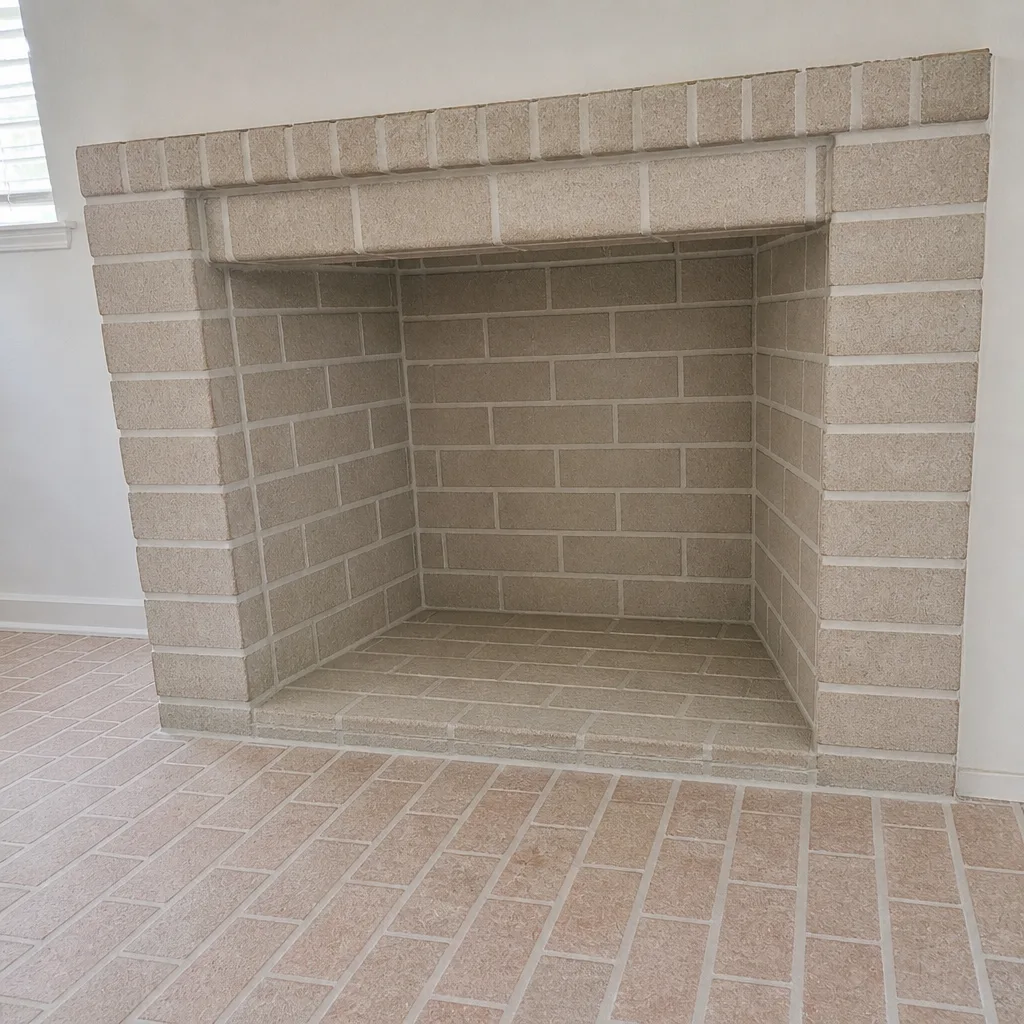
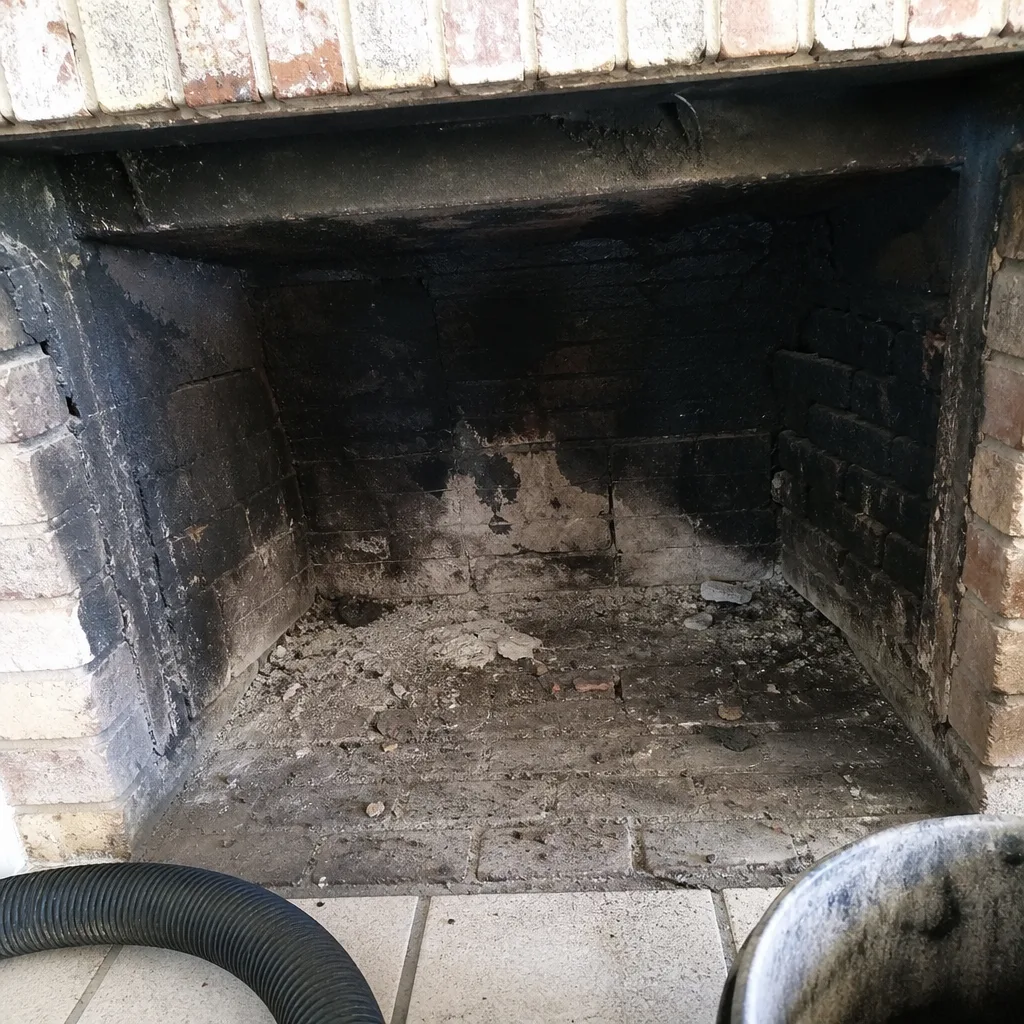
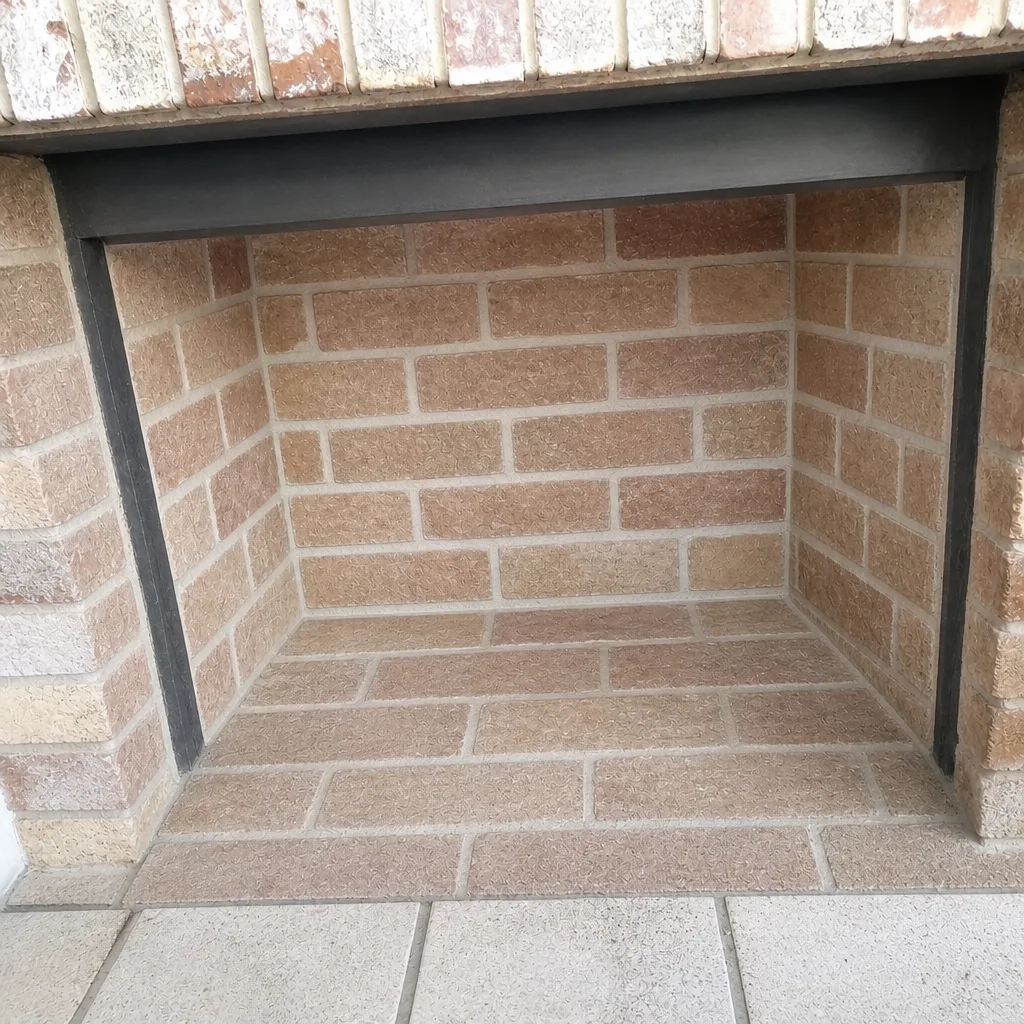
See the difference
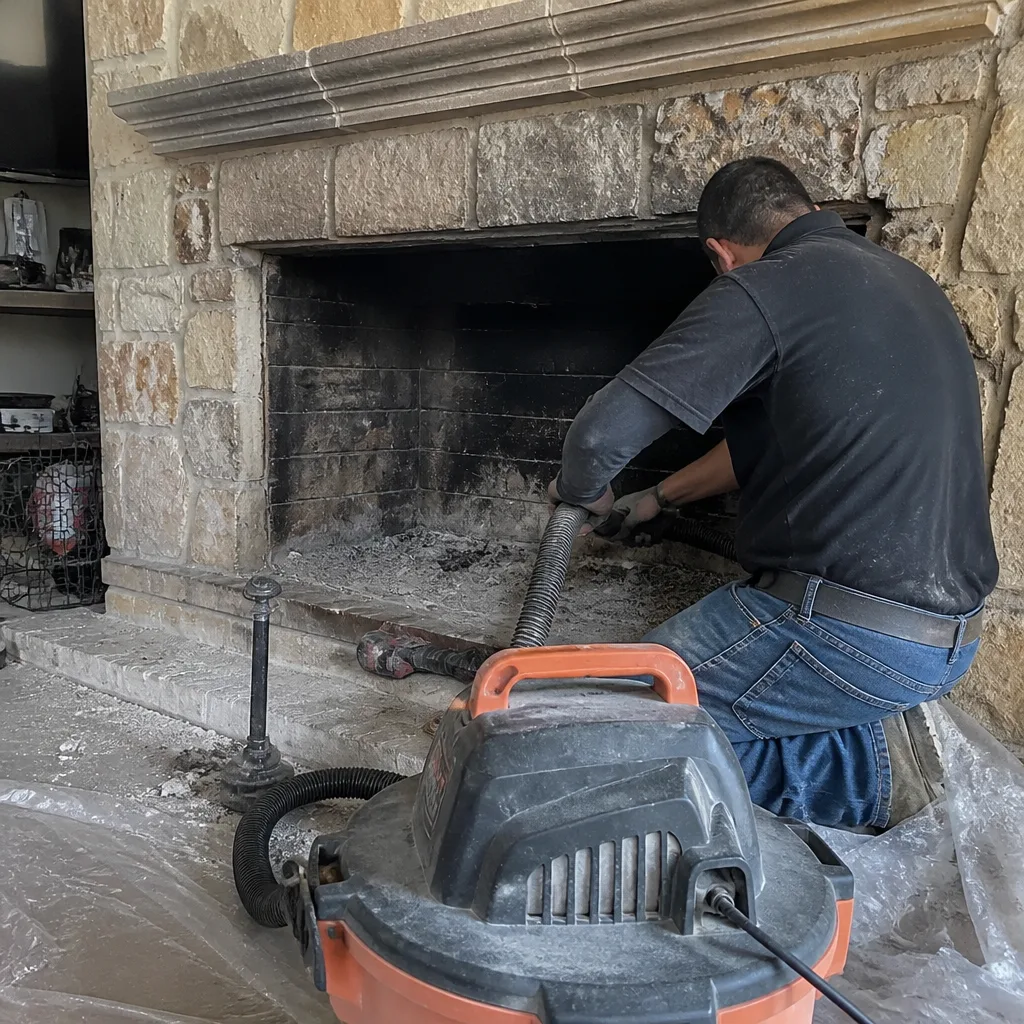 Before
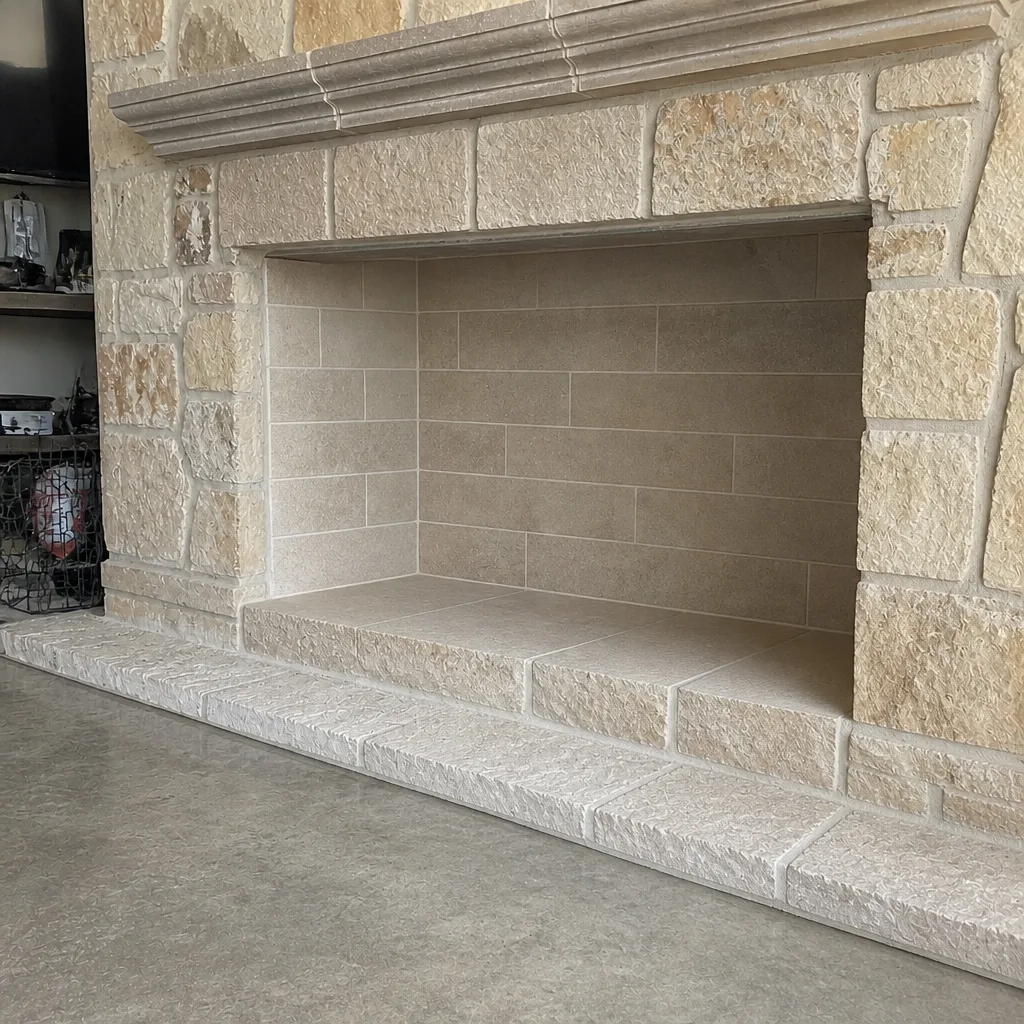 After
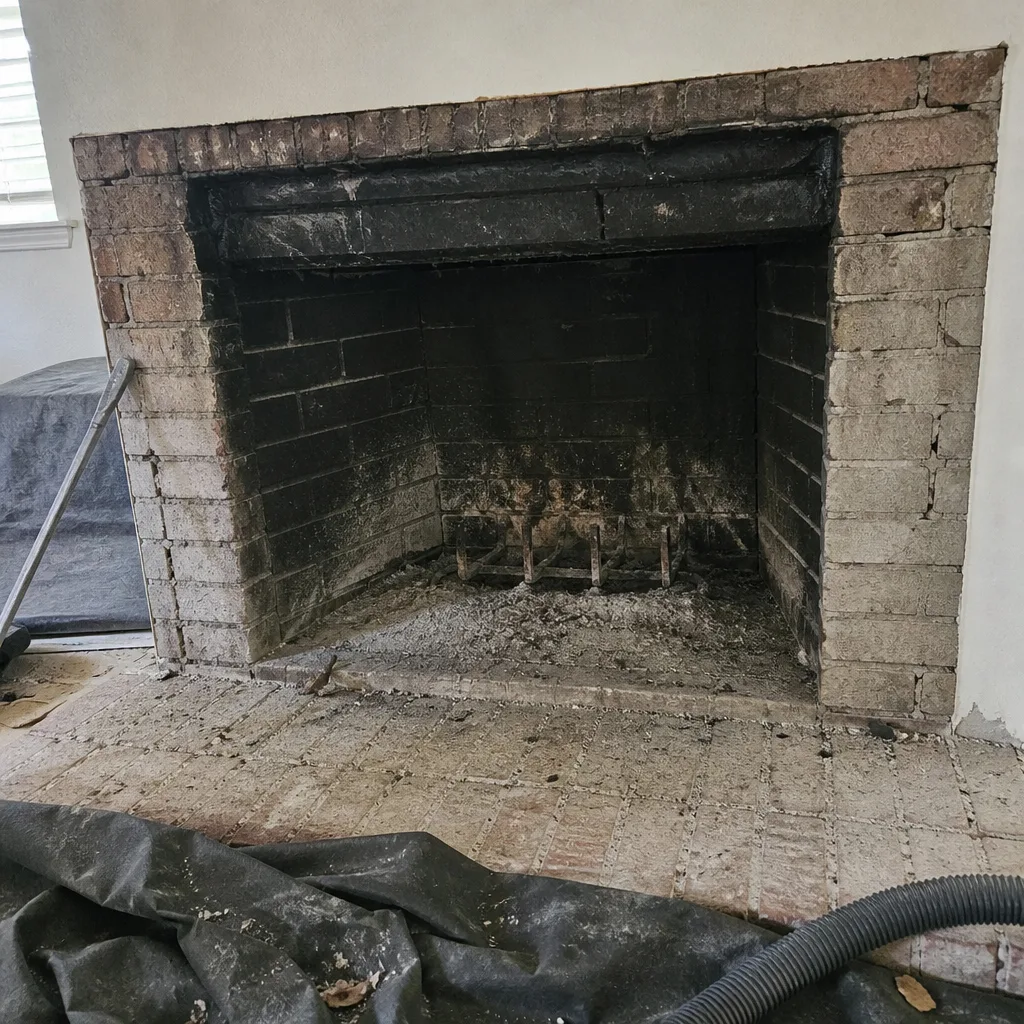 Before
 After
 Before
 After
When to Call a Professional
Some chimney care is a matter of scheduling, but some situations call for a trained eye right away. Call us if you smell smoke in the room when the damper is open, if the fire struggles to draw or pushes smoke back into the room, if you see water stains or crumbling mortar around the firebox, or if you notice rust on metal components. Those are signs of a venting problem, moisture intrusion, or component failure that a visual check from the hearth can’t resolve.
You should also call if it’s simply been more than a year since the last sweep, if you’ve moved into a home and don’t know its chimney history, or if you’re about to start the burn season and haven’t had the flue cleared. Chimney Sweep McAllen offers free estimates in McAllen. Call (866) 566-0403. We answer 24/7. Fast dispatch from 7am to 7pm, Sunday through Friday.
Frequently Asked Questions
For most homes, once a year is the baseline, plus an inspection after the burn season. Because the McAllen heating season is short, some homeowners can stretch the interval, but if you burn often or notice draft problems, an annual sweep is the safe default. The right answer depends on how much you actually burn, which is why an inspection matters as much as the sweep itself. Call (866) 566-0403 for an exact assessment; estimates are free.
Spring (March and April) for inspection, and September for the pre-season sweep. Spring catches post-season wear before the dormant, humid months, and September gets you on the schedule before the October and November rush. Booking ahead of those two peaks is the simplest way to avoid a tight booking window. Call (866) 566-0403 to get on the schedule; estimates are free.
Many flues that look like they need a full reline can be resurfaced instead. HeatShield is a trained resurfacing application that restores a deteriorating clay flue’s interior without pulling the whole liner, and it’s a cost-significant alternative to full replacement. Whether it’s right for your flue depends on the condition inside, which is why we inspect before recommending anything. Call (866) 566-0403 for a free estimate.
Creosote builds up in the flue, which is a fire hazard, and moisture quietly damages masonry and metal components during the dormant months. In McAllen’s climate, the humidity and wet season add to the risk, because water finds cracks that a spring inspection would have caught early. Skipping maintenance doesn’t cause a problem overnight, but it lets small issues grow into expensive ones. Call (866) 566-0403 to schedule a sweep; estimates are free.
Yes, but differently on masonry than on metal. Masonry and mortar absorb and hold moisture, which stresses joints and crowns through the wet season, while metal caps, dampers, and liners are exposed to the moisture-plus-heat combination that drives rust. That’s why we check the exterior before the wet season and inspect the interior in spring. Call (866) 566-0403 if you’ve noticed water stains or rust; estimates are free.
It’s worth asking, since your dryer vent is a fire-safety concern on par with the chimney, and having the same crew handle both means no coordinating separate contractors. If your dryer takes longer to dry a load or feels hot to the touch, that’s a sign lint is building up. Call (866) 566-0403 to book both; estimates are free.
The Bottom Line
Chimney care in McAllen follows the climate, not the calendar most guides hand you. The two appointments that matter most are a spring inspection after your last fire and a pre-season sweep in September. Between them, watch the exterior before the wet season, keep an eye out for moisture and pest signs during the dormant summer, and don’t forget the dryer vent. Fall is when demand spikes, so booking ahead of October and November keeps you on schedule instead of waiting. With a realistic year-round rhythm and professional-grade components like DuraFlex liners and Olympia Chimney caps, your chimney stays ready for the short season when you actually need it.
If you’re ready to get on the schedule or want a straight answer about the condition of your flue, call Chimney Sweep McAllen at (866) 566-0403. We answer 24/7. Fast dispatch from 7am to 7pm, Sunday through Friday. Estimates are free, and we’ll show you what we find before recommending any work. Our technicians have up to 12 years of experience, and we name the brands we install, because you deserve to know what’s in your chimney.
Written by the team at Chimney Sweep McAllen.