
Last updated November 14, 2026
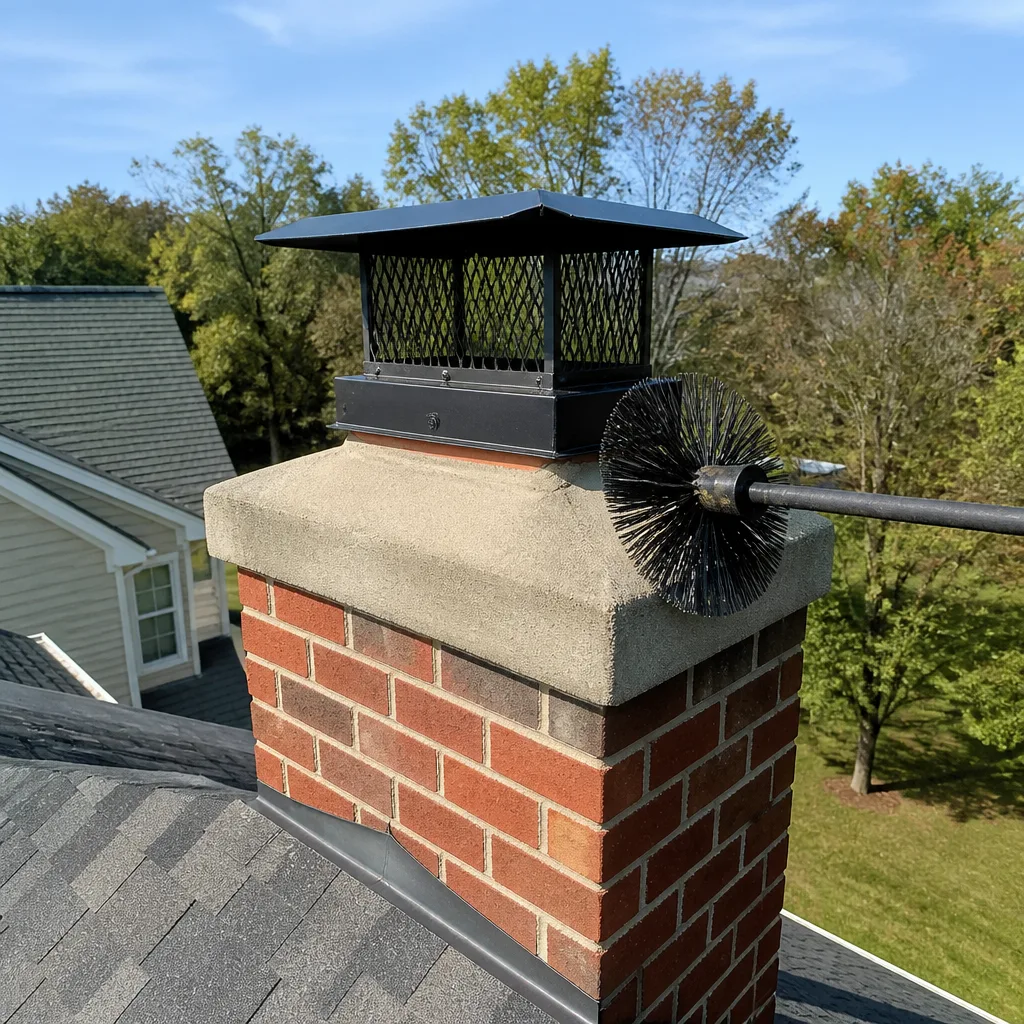 Sweep & inspection
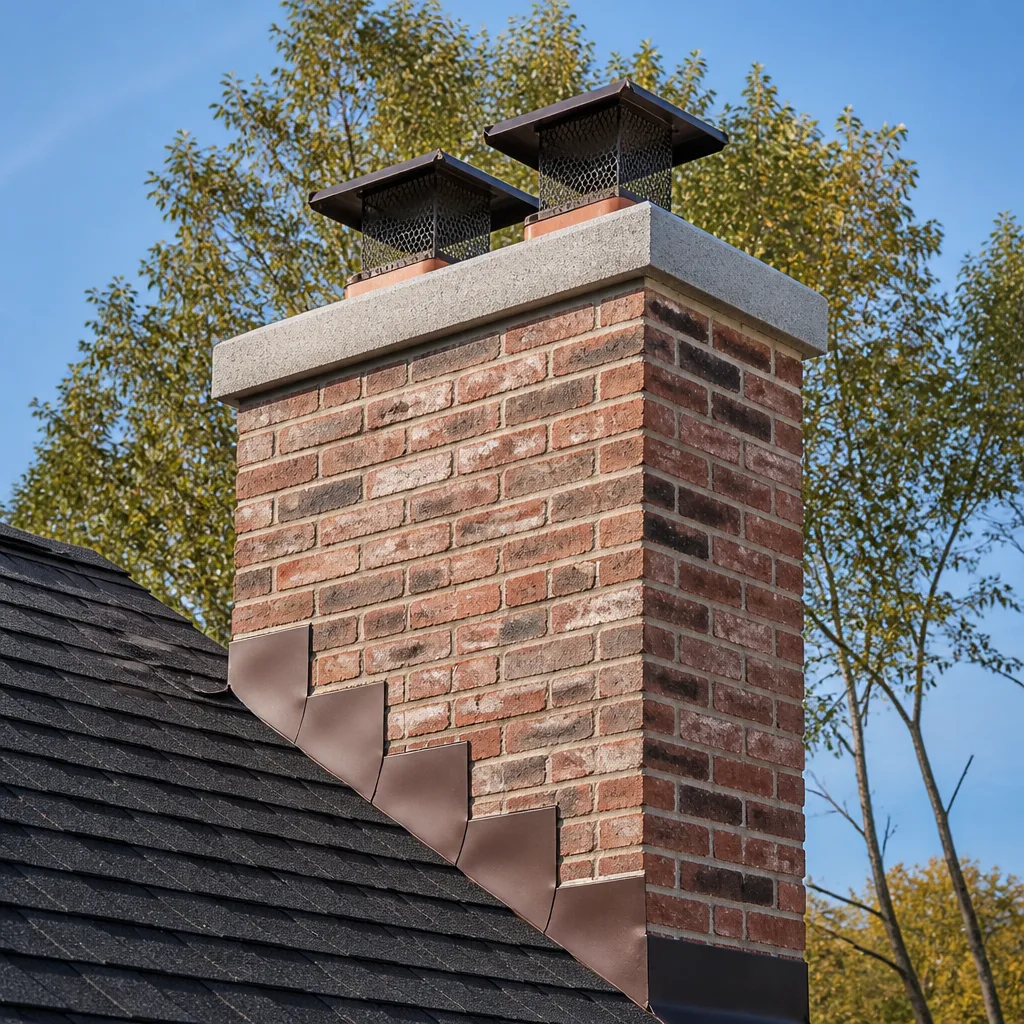 Caps & crowns
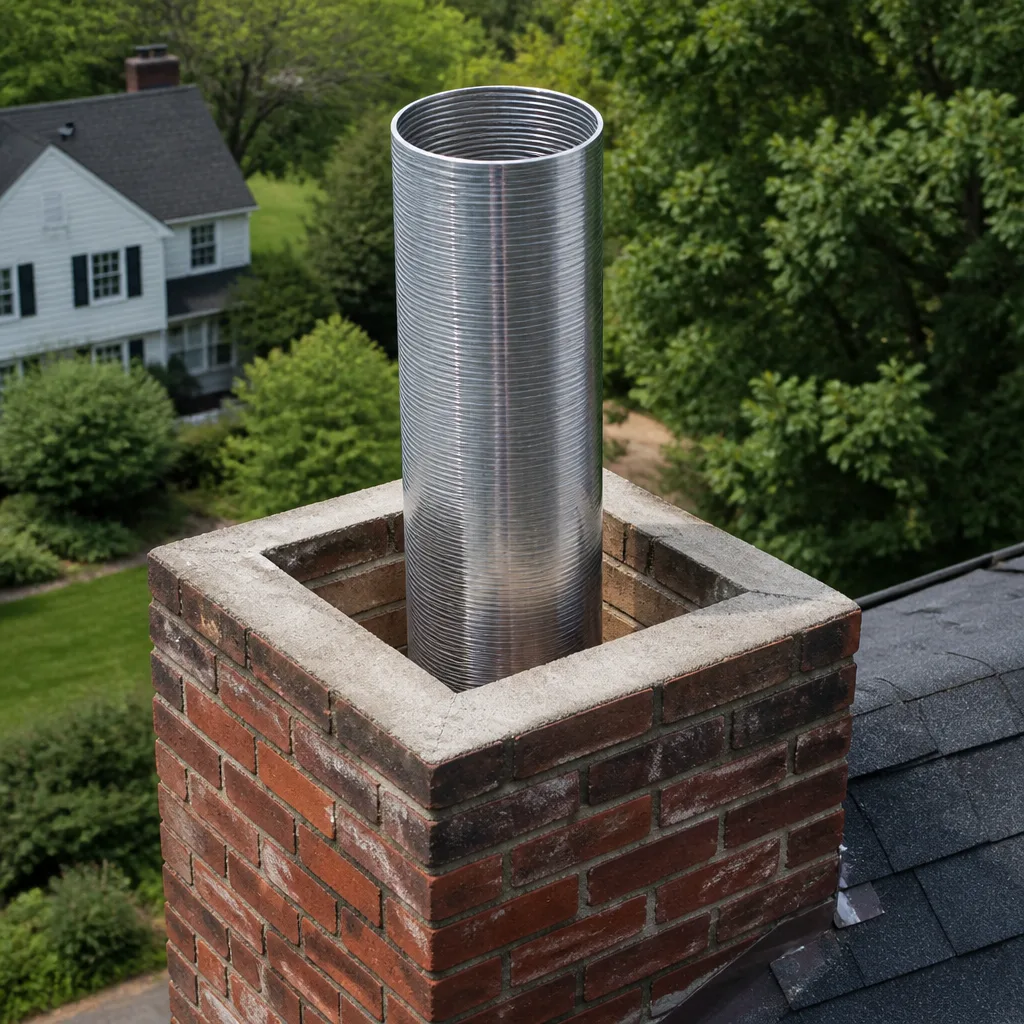 Flue relining
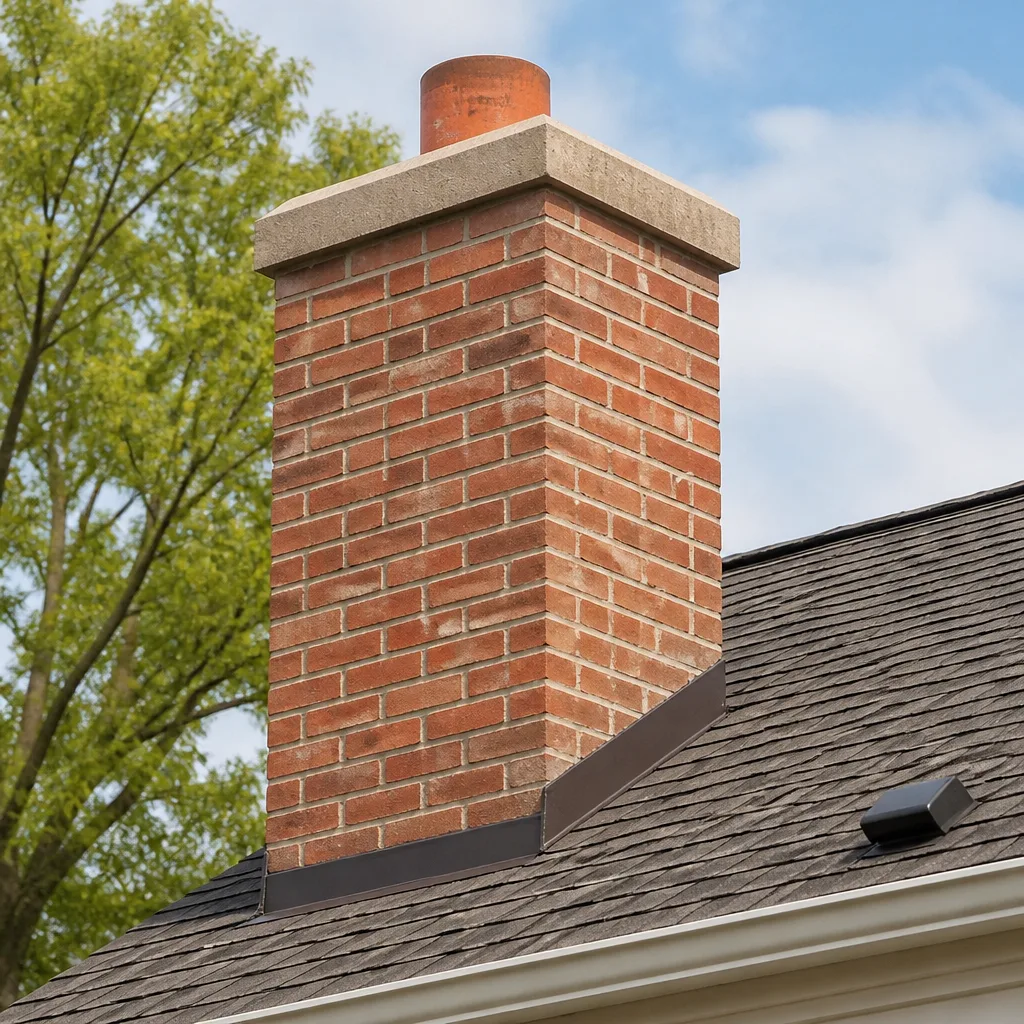 Masonry repair
 Gas fireplace service
Level 1 sweep and inspection to the NFPA 211 annual standard - flue, crown, cap, and flashing checked and photographed
Chimney sweep logs do not sweep chimneys. They loosen some creosote - which then falls where a brush and vacuum still have to collect it.
DIY vs Professional Chimney Cleaning: The McAllen Homeowner’s Decision Guide
You can buy a chimney brush kit at a hardware store for about $40. What that kit won’t tell you is whether the black buildup it’s removing is loose Stage 1 creosote or hardened Stage 2 – and that distinction decides whether your chimney is safe to light tonight or needs a professional before your next fire. The tools are the easy part. Reading the flue is the hard part. In this guide, we’ll draw an honest line: which chimney tasks a careful McAllen homeowner can genuinely handle, which ones require equipment and liner knowledge that consumer brushes don’t replicate, and how to structure a hybrid approach that fits how you actually burn.
Quick Answer
A McAllen homeowner can safely handle routine exterior observations, cap inspection, and firebox sweeping. Full flue brushing, camera inspection, and creosote stage assessment require professional equipment and training. If you’ve burned more than a cord of wood or see glazed or puffy buildup, book a professional sweep – the assessment itself is what determines whether your chimney is safe to use.
Styles & brands we work with
- Sweep & inspection
- Caps & crowns
- Flue relining
- Masonry repair
- Gas fireplace service
Table of Contents
- What a Competent DIYer Can Actually Handle
- The Equipment a Consumer Kit Can’t Replicate
- Why Creosote Stage Assessment Is the Line in the Sand
- The Liability Question Nobody Mentions
- The Hybrid Approach That Works for McAllen Homes
- What Goes Wrong When DIY Goes Too Far
- Honest Cost Comparison
- Common Mistakes to Avoid
- When to Call a Professional
What a Competent DIYer Can Actually Handle
We’re not going to tell you everything requires a professional. That’s not honest, and it doesn’t help you make decisions. A few chimney-maintenance tasks genuinely belong in homeowner hands, especially in a mild-winter climate where you may burn a few dozen fires across a season rather than running a wood stove as primary heat.
Here’s what a careful McAllen homeowner can reasonably do:
- Exterior visual checks. Walk around the chimney once a month during burning season. Look for loose mortar in the crown, cracking where the chimney meets the roofline, rust stains on the cap, or staining on the exterior brick. A phone snapshot from the ground is enough to spot a change over time.
- Cap and spark-arrestor inspection. From the ground or a stable ladder, confirm the cap is intact, the screen isn’t clogged with debris, and small animals haven’t moved in. A blocked cap is a draft and carbon-monoxide problem, not just a nuisance.
- Firebox sweeping. Between fires, a stiff brush and a shop vac (with a HEPA filter) can clear ash and debris from the firebox floor. This keeps airflow open and reduces the amount of ash that gets stirred into the flue.
- Damper function checks. Operate the damper by hand to confirm it opens and closes smoothly. A sticking damper changes how the fire drafts and can push smoke back into the room.
- Dry wood verification. Moisture meters are inexpensive and take the guesswork out of dry storage. Wet wood is the biggest cause of fast creosote buildup, and it costs you nothing to test.
Everything on that list is observable from outside the flue. None of it requires reaching into the flue with a rotating tool or judging the condition of a liner. That’s the line: a homeowner can inspect and clean around the flue. Reaching into it safely and completely is another matter.
The Equipment a Consumer Kit Can’t Replicate
The single biggest gap between a $40 hardware-store kit and a professional setup isn’t the brush – it’s what happens to the mess and what happens after the brush. A consumer rod-and-brush kit is designed for the flue of a chimney that’s already in decent shape. It isn’t designed to contain soot or to see what it left behind.
Here’s what a professional chimney sweep actually brings:
- HEPA containment. Professional shop vacuums and drop-cloth systems keep fine soot and ash inside the working area. Consumer vacuums blow the finest particles back into the room, and those particles settle across the whole house long after the job is “done.”
- Rotary and flexible rod systems. Chimney flues aren’t straight cylinders. A rotary brush or whip on flexible rods cleans the entire circumference of an irregular flue; a hand-pushed brush does not.
- Camera inspection systems. A flue camera shows the interior of the liner – cracks, spalling, gaps in clay tile joints, missing mortar – that you cannot see from the firebox or the roof.
- Creosote assessment tools. A trained sweep knows how to distinguish the four creosote stages by look, texture, and location. Consumer kits don’t come with that skill.
- The right brush by liner type. Clay tile, stainless steel, and Prefabricated liners take different brushes. A wrong brush scores the liner and shortens its life.
- Sheeting and drop protection. Floors, furniture, and mantels are protected before the first rod goes up the flue.
This equipment matters for one reason: a professional job means the flue is actually clean and the conditions have been documented, not just swept and assumed. When a chimney has an older or irregular interior, a professional can reline or resurface it properly. That’s where brand accountability matters – the team at Chimney Sweep McAllen installs DuraFlex liners and applies HeatShield resurfacing specifically because those materials can be named, verified, and checked against the actual condition of your flue.
Why Creosote Stage Assessment Is the Line in the Sand
If you remember one thing from this guide, make it this: creosote has stages, and they are not interchangeable. The stage you have determines whether your chimney is safe to light. Misidentifying Stage 2 creosote as Stage 1 is the most dangerous mistake in chimney maintenance, and it’s one DIY kits make invisible by design.
The four stages at a glance
- Stage 1 – soot and flaky residue. Loose, dusty, easily brushed off. Removing it is straightforward cleaning.
- Stage 2 – hardened, flaky or crusty. Builds up in layers on the liner walls. It doesn’t come off with a light brushing; it takes rotary tools and, often, chemical treatment.
- Stage 3 – glazed. Looks like a shiny, hardened shell on the flue interior. It ignites at a much lower temperature than the first two stages and is a serious fire risk. It typically requires specialized removal.
- Stage 4 – puffy or spongy. Less common, but visually obvious to a trained eye. Highly flammable.
A homeowner brushing the flue can feel black residue coming down the chimney and assume the job is done. But the difference between Stage 1 and Stage 2 isn’t the color – it’s the texture, the thickness, and the pattern of buildup. A layer of Stage 2 that’s been smoothed down by a consumer brush can look clean on the surface while the actual risk is untouched and heavily layered underneath.
We’ve seen this pattern repeatedly in McAllen homes where the firebox looks tidy and the flue is worse than the owner expected. That’s the specific reason creosote assessment belongs to a professional: a trained sweep reads the creosote the way a mechanic reads a tire. And it’s a safety matter, not a sales pitch – if a Stage 2 layer is caught early, the fix is cleaning and a re-check, not repairs.
If you sweep regularly but haven’t had a camera inspection in a few years, it’s worth booking an inspection-only visit. Our chimney sweep includes the assessment that tells you what stage you’re actually at, not what a brush suggests you might be.
The Liability Question Nobody Mentions
Here’s the part most DIY guides skip: what happens after a chimney fire when the homeowner’s insurance company starts asking questions. A chimney fire isn’t just a safety event – it’s a claim, and claims get investigated. What the insurer asks first is simple and uncomfortable: was the chimney maintained, and who did the maintenance?
The honest answer is that policy language varies, and no two carriers are identical. Some homeowner policies include clauses about “reasonable care” and “regular maintenance.” Others are silent on chimneys specifically. But the practical reality is this: a documented professional sweep creates a paper trail. A camera report, a dated inspection, and a record of what was observed and when means the homeowner can prove the chimney was maintained. A DIY cleaning leaves no comparable documentation – only the homeowner’s word, given after the fact.
Documentation matters whether or not your specific policy requires it. If you ever sell the house, buyers and their inspectors will ask about the chimney. If you ever file a claim, the record exists. If a liner problem is caught during a professional inspection and put in writing, you have evidence it was identified and addressed. That’s a meaningful difference from “we cleaned it ourselves in the fall.”
This isn’t a reason to skip DIY tasks entirely. It’s a reason to think about which tasks produce a document trail and which don’t. Exterior checks and firebox cleaning are maintenance. Annual sweeps and inspections are the records your insurer and future buyer will actually look at.
The Hybrid Approach That Works for McAllen Homes
For most McAllen households, the smart structure is a hybrid. You keep the routine exterior work and the firebox tidiness. The professional handles the annual interior cleaning and the inspection that produces a record. Here’s how to structure that for a typical McAllen usage pattern, where burning is seasonal and the heating load is gentle.
- Fall: professional interior sweep and inspection. Do this before your first fire of the season, when the flue is still cool and you have time to schedule any repair. The inspection also catches a liner problem before it becomes an emergency.
- Monthly during burning season: homeowner exterior check. Ten minutes with a phone camera. Look for staining, cap damage, and masonry changes.
- Monthly: firebox and ash maintenance. Empty ash, verify the damper, and inspect the grate. This keeps the fire drafting properly.
- Mid-season: professional re-check if you burn hard. If you’re burning multiple fires a week through the season, a mid-season assessment is worth considering. Stage 2 creosote builds faster with frequent burning and cool flue temperatures.
- Spring: exterior and cap examination. After the burning season, check the chimney from the ground before the summer heat and rain do any additional damage to small masonry cracks.
- Yearly: dryer vent cleaning if you use a vented dryer. This sits in the same fire-safety category. Our dryer vent cleaning treats lint accumulation as the same class of risk as creosote, because it is.
This pattern gives you the benefits of both worlds: the cost of DIY for the easy tasks, and the documentation and reading-the-flue accuracy of a professional visit once a year. It also means you’re not doing anything in the flue that could create more mess than it removes.
What Goes Wrong When DIY Goes Too Far
We’re not going to frighten you into booking a sweep you don’t need. But it’s fair to explain what can go wrong when DIY crosses the line into interior flue work, because the failure modes are specific and consistent.
- Incomplete cleaning. A consumer brush reaches the center of the flue and the top of the smoke chamber but frequently misses the corners, the smoke shelf, and the smoke chamber baffle. What stays behind is the built-up portion most likely to ignite.
- Liner damage. A stiff brush on a clay-tile liner can break a flue tile if the tile is already cracked. The broken piece then becomes a drafting obstruction or a fall hazard from the roof.
- Soot spread. Without proper containment, the finest soot particles redistribute through the home. The visible mess is the small part. The fine particles are what people notice for weeks.
- False confidence. This is the most common one. A DIY brush cleans the visible soot, so the homeowner assumes the flue is safe. Then they skip the inspection for another two or three seasons while the Stage 2 buildup grows.
- Roof accidents. Any task performed at the roof line – cap removal, brushing from the top – carries fall risk. If you aren’t comfortable and secure on a roof, no amount of equipment makes that task safe.
- Missing a bigger problem. A cracked crown, a water leak stain, or a failing liner all show up in a professional inspection but are easy to miss during a quick DIY sweep.
There’s another category worth naming: damaged dampers, missing caps that let water in, and small animals in the flue. Those aren’t cleaning issues – they’re repair issues. If you spot any of them during your own inspection, stop and book a professional look before lighting a fire.
Honest Cost Comparison
The DIY-versus-professional calculation is not as simple as “free versus paid.” A consumer kit costs money, and a DIY job that misses buildup creates a cost you didn’t price in – a follow-up professional visit to finish the job properly. Here’s the honest breakdown of what each approach actually includes.
| Approach | What’s covered | What’s not covered |
|---|---|---|
| DIY consumer kit | Exterior checks, cap look-over, firebox sweeping, light surface brushing | Camera inspection, creosote stage assessment, liner condition, documentation |
| Professional annual sweep | Full flue brush, HEPA containment, assessment of creosote stage, documented inspection with photo report | Repairs beyond cleaning, which are quoted separately |
| Professional inspection only | Camera scan, liner condition, recommendations, written record | No brushing included |
The honest framing is that a DIY kit is a reasonable spend for the tasks in the first column. It’s a poor spend if it gives you the false confidence to skip the second column for another season. Pricing for professional sweep and repair work is quoted per job by written estimate, so the number depends on your flue’s condition, liner type, and access – not a flat number we can promise in a guide.
If you have a HeatShield resurfacing or a DuraFlex reline decision ahead of you, we’ll quote that separately after the camera report, and we’ll say plainly when work can safely wait. Nothing gets recommended without camera evidence you can look at yourself.
Common Mistakes to Avoid
- Assuming black residue means Stage 1. Residue color tells you almost nothing. Texture, thickness, and location do. If the buildup is granular and puffy rather than powdery, stop and call a professional.
- Brushing from the top of the roof on a first attempt. Roof-line work is where DIY chimney maintenance becomes genuinely dangerous. If you aren’t trained and secured, brushing from the top isn’t worth the risk.
- Skipping the camera inspection entirely. A clean flue isn’t necessarily a safe flue. A cracked liner or a gap in the clay tile is invisible to a brush and invisible to your eye at the firebox.
- Burning unseasoned wood to save a little money. Wet wood burns cooler and faster to build creosote. The savings are erased by the cleaning frequency they force.
- Ignoring a water stain on the firebox or exterior. Staining is a leak signal, and water intrusion degrades the masonry and the liner. That’s a repair visit, not a cleaning visit.
- Assuming a McAllen chimney needs less attention because winters are short. The fire that lights your chimney is the same regardless of how short the season is. A few dozen fires is still enough to build Stage 2 if the wood is damp or the draft is poor.
- Combining the dryer vent and chimney on the same weekend and skipping both. Both are combustion-adjacent fire risks. Our McAllen service area sees this pattern often – one gets cleaned, the other doesn’t. Ask for both to be scheduled together if they haven’t been tended to in a while.
When to Call a Professional
Call a professional chimney sweep when any of the following applies: you haven’t had the flue inspected in more than a year; you’ve burned more than a cord of wood since the last sweep; you see glazed, puffy, or hardened buildup on the firebox walls or at the top of the flue; you smell a strong smoky odor when there’s no fire burning; you have any water staining near the chimney; or you’re considering a new liner, resurfacing, or cap repair. Call us also if the flue is being used with a new insert or vented appliance and hasn’t been inspected since the installation. Any of those conditions means the flue needs eyes on it, not just a brush. Chimney Sweep McAllen offers free estimates in McAllen – call (866) 566-0403 to book an inspection and get a straight answer about what the flue actually needs.
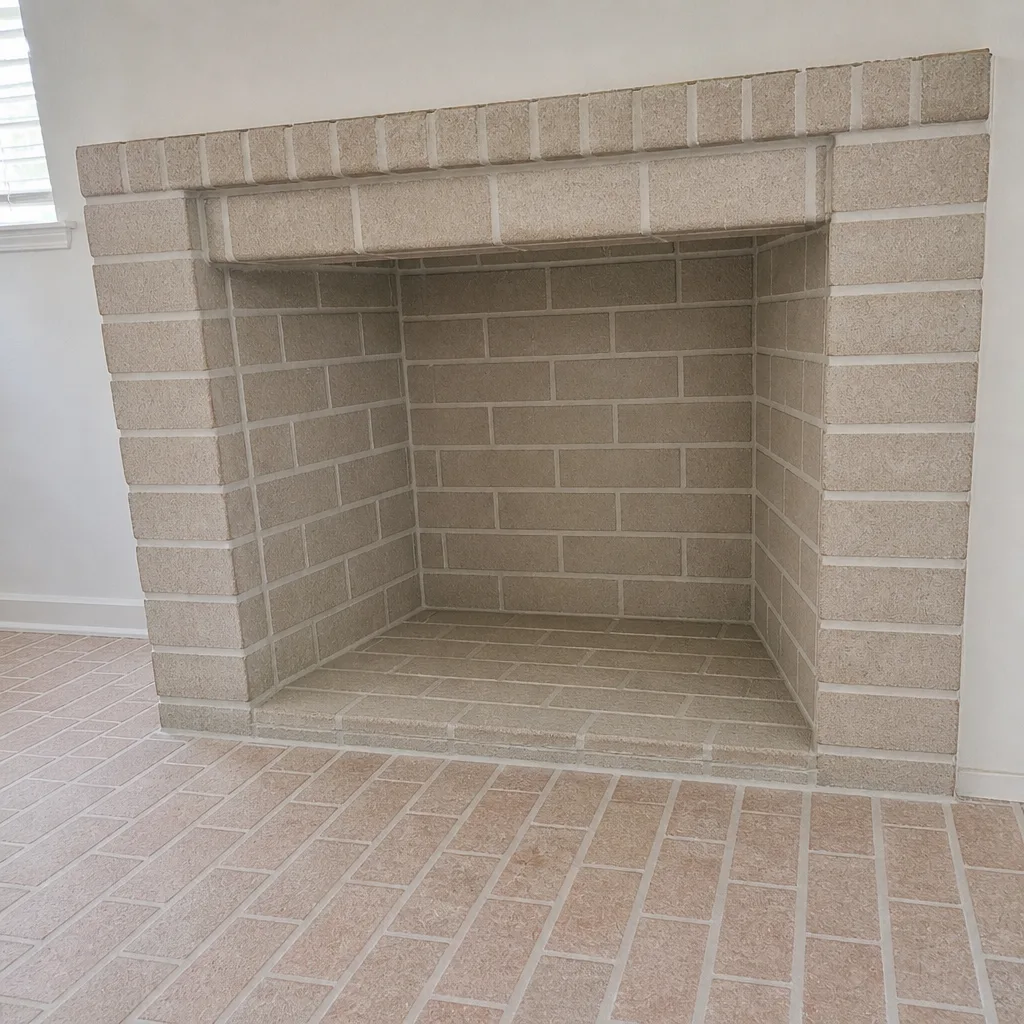
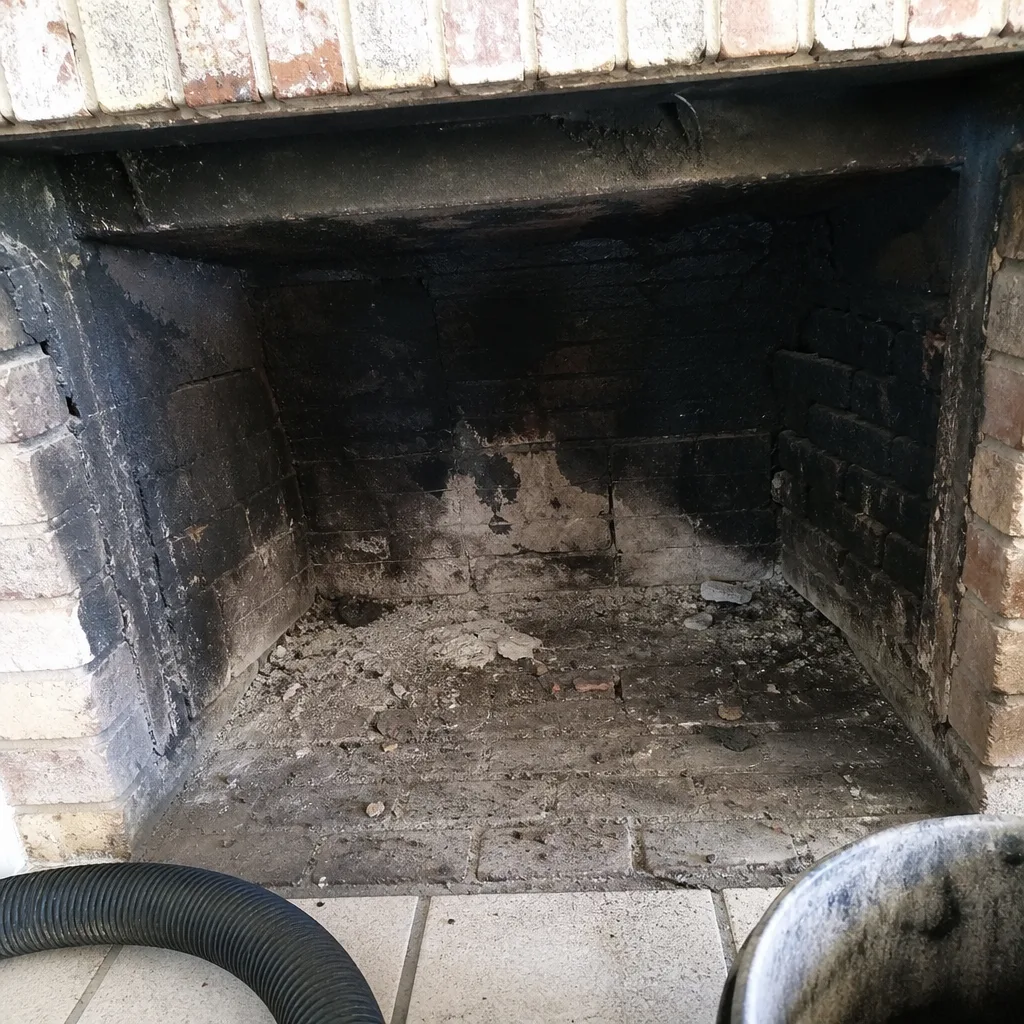
See the difference
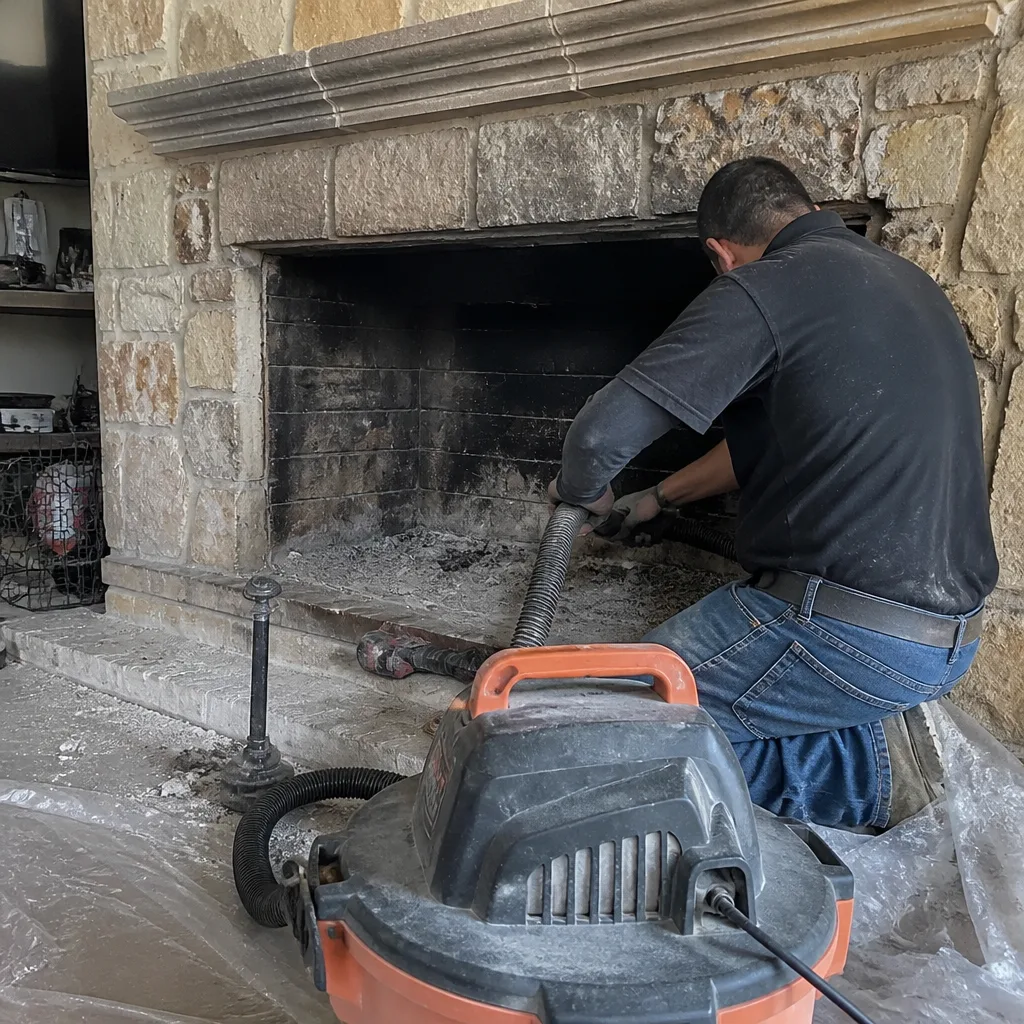 Before
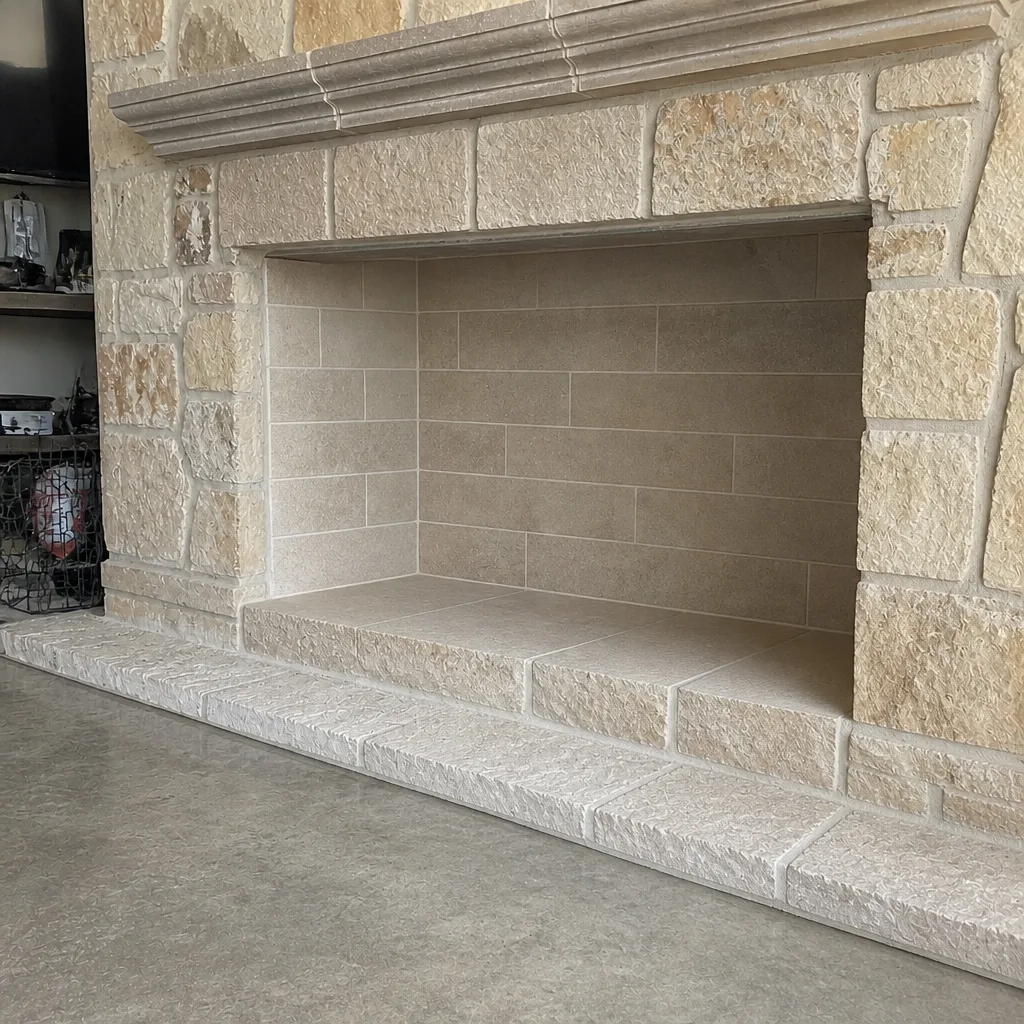 After
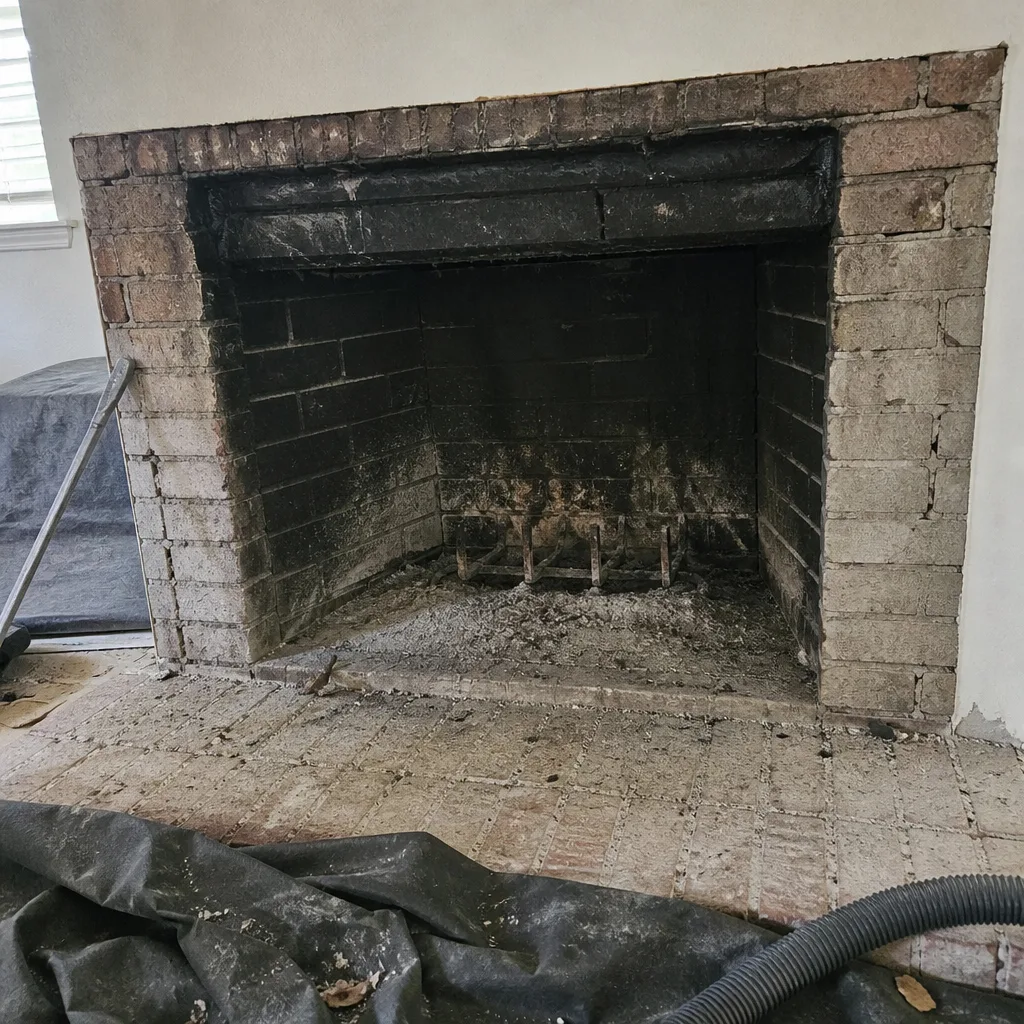 Before
 After
 Before
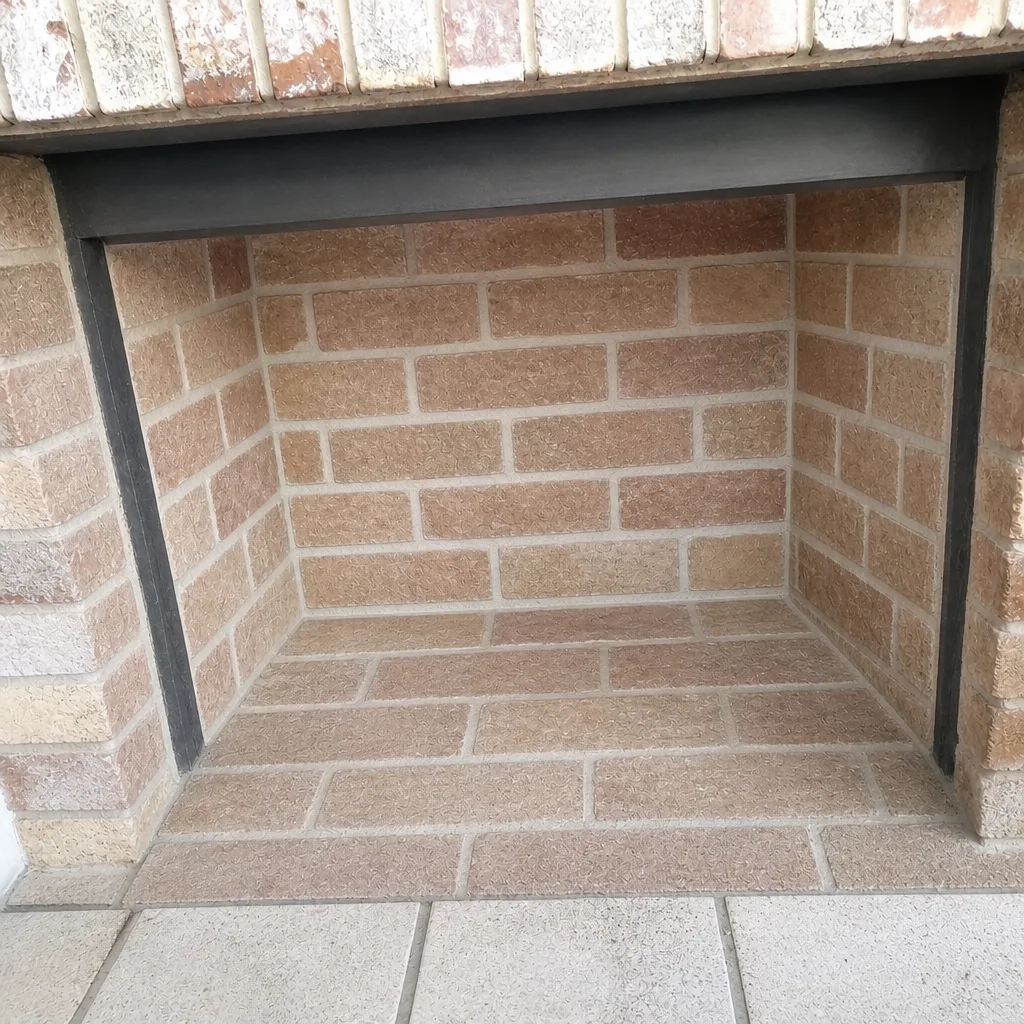 After
Frequently Asked Questions
You can safely handle the exterior checks, firebox sweeping, and cap inspection yourself. Full flue brushing, camera inspection, and creosote stage assessment require professional equipment and training. If you see hardened or glazed buildup, or you’ve never had a camera inspection of the liner, book a professional look – the assessment decides whether the flue is safe to use.
Once a year for most households that burn seasonally, and more often if you burn hard or the wood is damp. The annual visit should include an inspection, not just brushing, because liner problems are invisible to a brush. Call (866) 566-0403 to schedule a sweep and inspection together.
Stage 1 is loose, powdery, easily brushed soot. Stage 2 is a hardened, layered crust that a consumer brush smooths rather than removes. The difference matters because Stage 2 stays flammable after a light brushing, so a homeowner who cleans the surface can still light a fire into a hazardous flue. Only a trained assessment confirms which stage you’re looking at.
Policy language varies, so we can’t state what your specific carrier requires. What we can say is that a documented professional inspection creates a record a homeowner can point to, while DIY cleaning leaves no paper trail. If your policy contains maintenance clauses, that documented record is the one an adjuster will want to see.
A chimney specialist is the right choice, mostly because of liner knowledge and equipment. A general handyman may not carry the camera systems, HEPA containment, or correct brushes by liner type, and may not be able to recognize Stage 2 or Stage 3 buildup. The assessment is the whole point of the visit – not just the brushing.
Not the same day, but both belong on the same fire-safety calendar. Lint accumulation in a dryer vent is a fire risk in the same category as creosote buildup, and the same crew can assess both. Call (866) 566-0403 for an estimate on both together – estimates are free.
The Bottom Line
DIY chimney maintenance is honest work for the right tasks: exterior checks, cap inspection, firebox sweeping, and dry-wood verification. The interior of the flue is a different category, because complete cleaning, camera inspection, and creosote stage assessment all require equipment and knowledge a consumer kit doesn’t include. The costly mistake isn’t swiping a brush up the firebox – it’s assuming a clean-looking flue is a safe one. A hybrid approach is the sensible default for most McAllen homes: you keep the routine exterior work, and a professional handles the annual sweep and inspection that create a record. That record is what your insurer, your buyer’s inspector, and your own peace of mind rely on.
When you’re ready to book the annual sweep or a professional inspection, call (866) 566-0403 for a free estimate. We answer 24/7. Fast dispatch from 7am to 7pm, Sunday through Friday. We name the materials we install – DuraFlex, HeatShield, Olympia Chimney, Famco, Gelco, Copperfield – because you deserve to know what’s in your chimney, and a written estimate sets the final price before any work begins.
Written by the team at Chimney Sweep McAllen.