
Last updated November 14, 2026
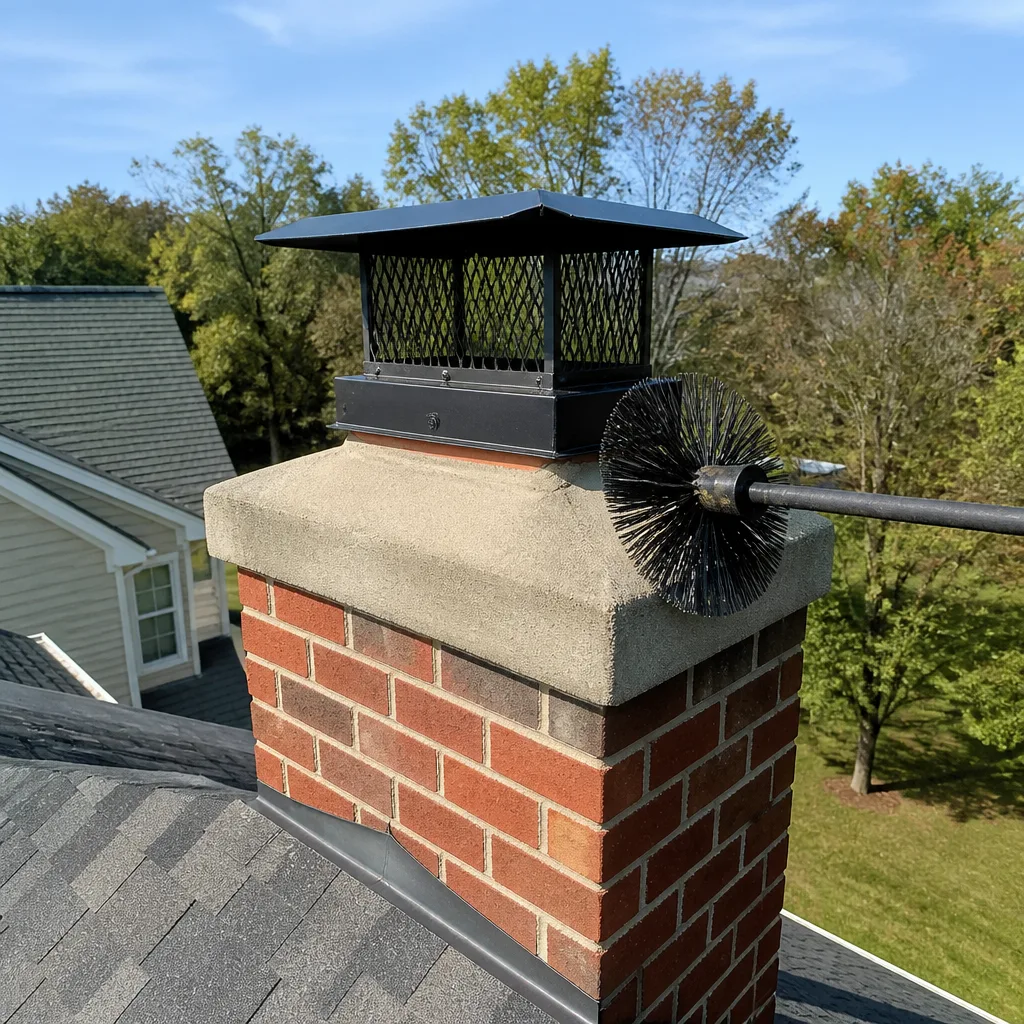 Sweep & inspection
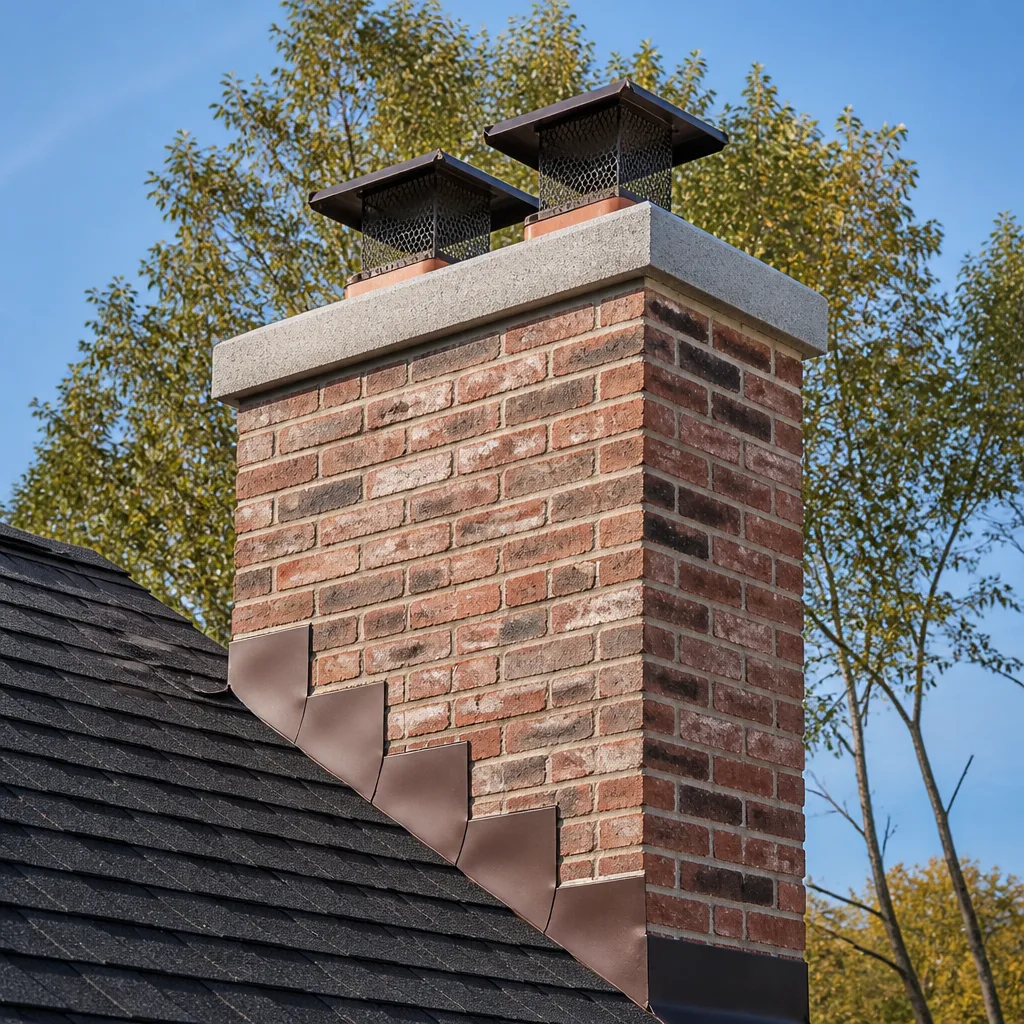 Caps & crowns
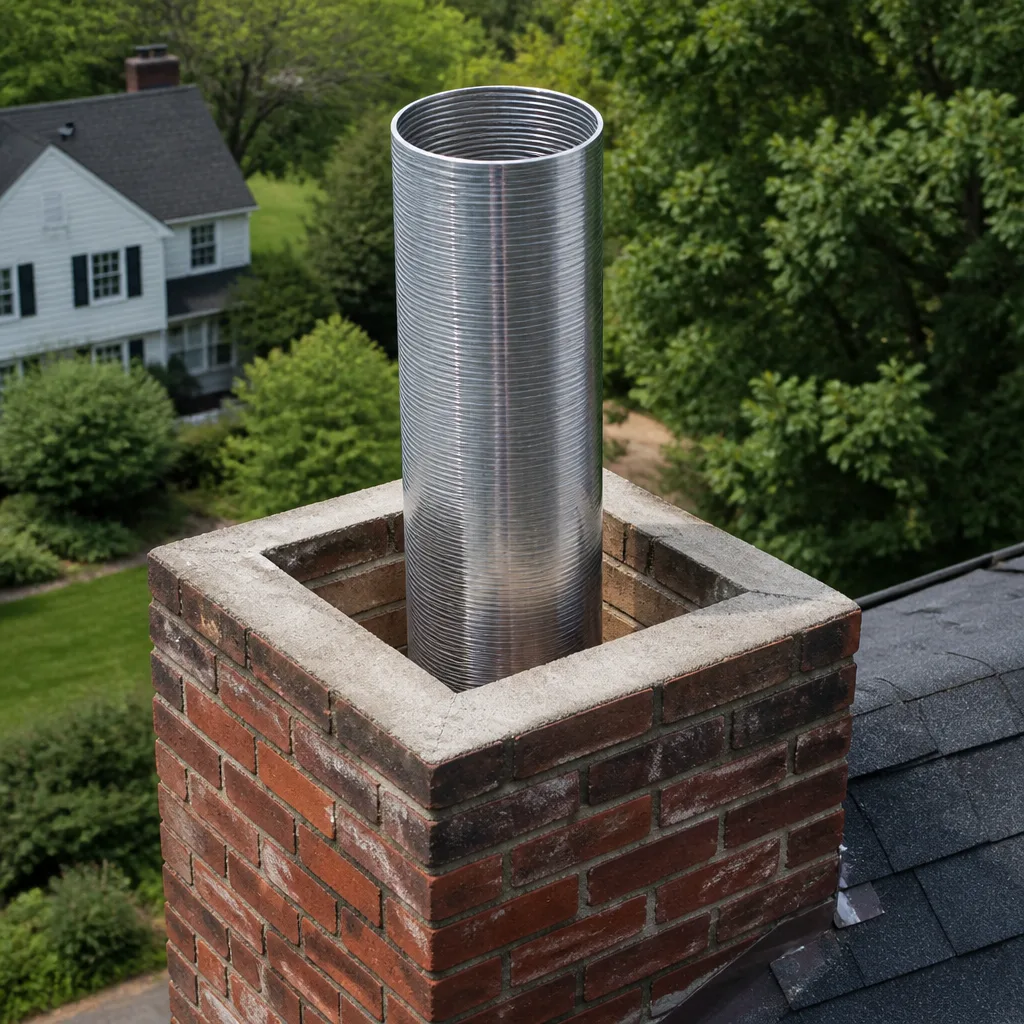 Flue relining
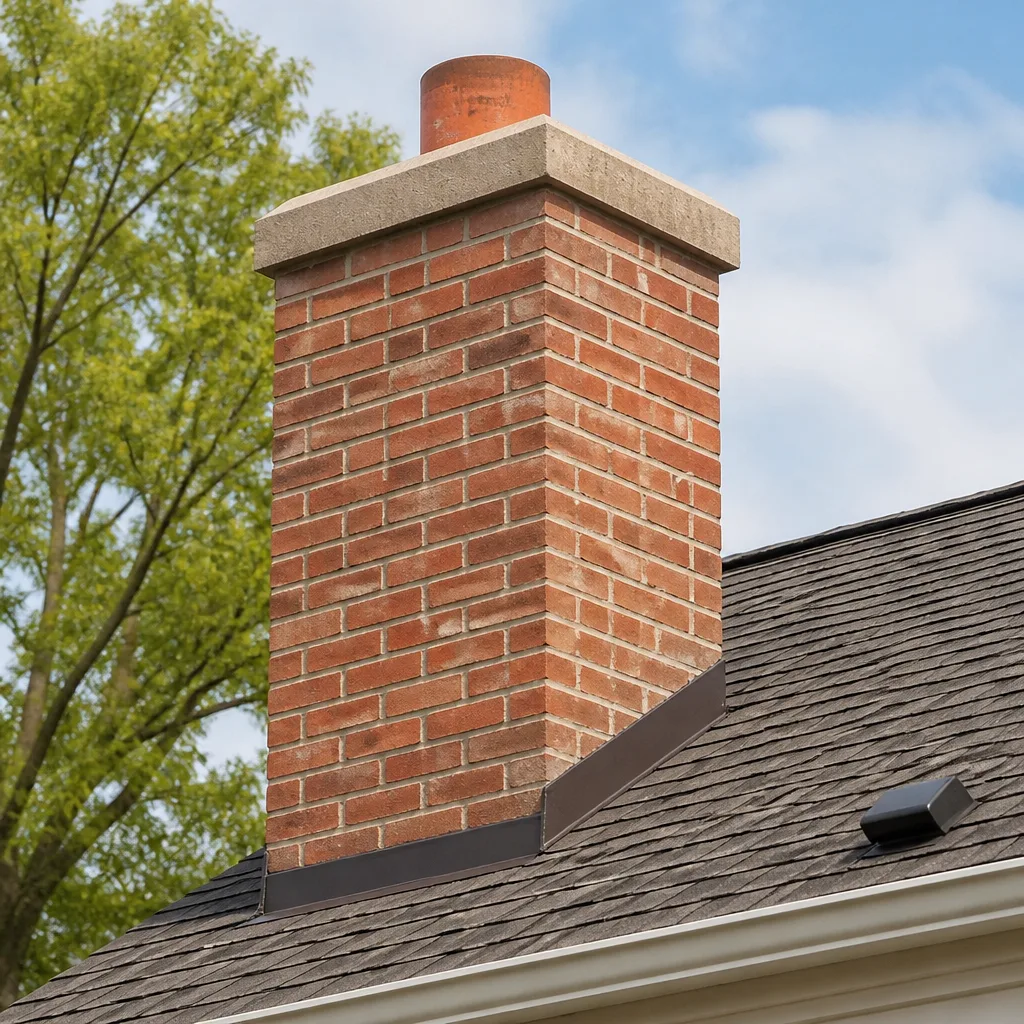 Masonry repair
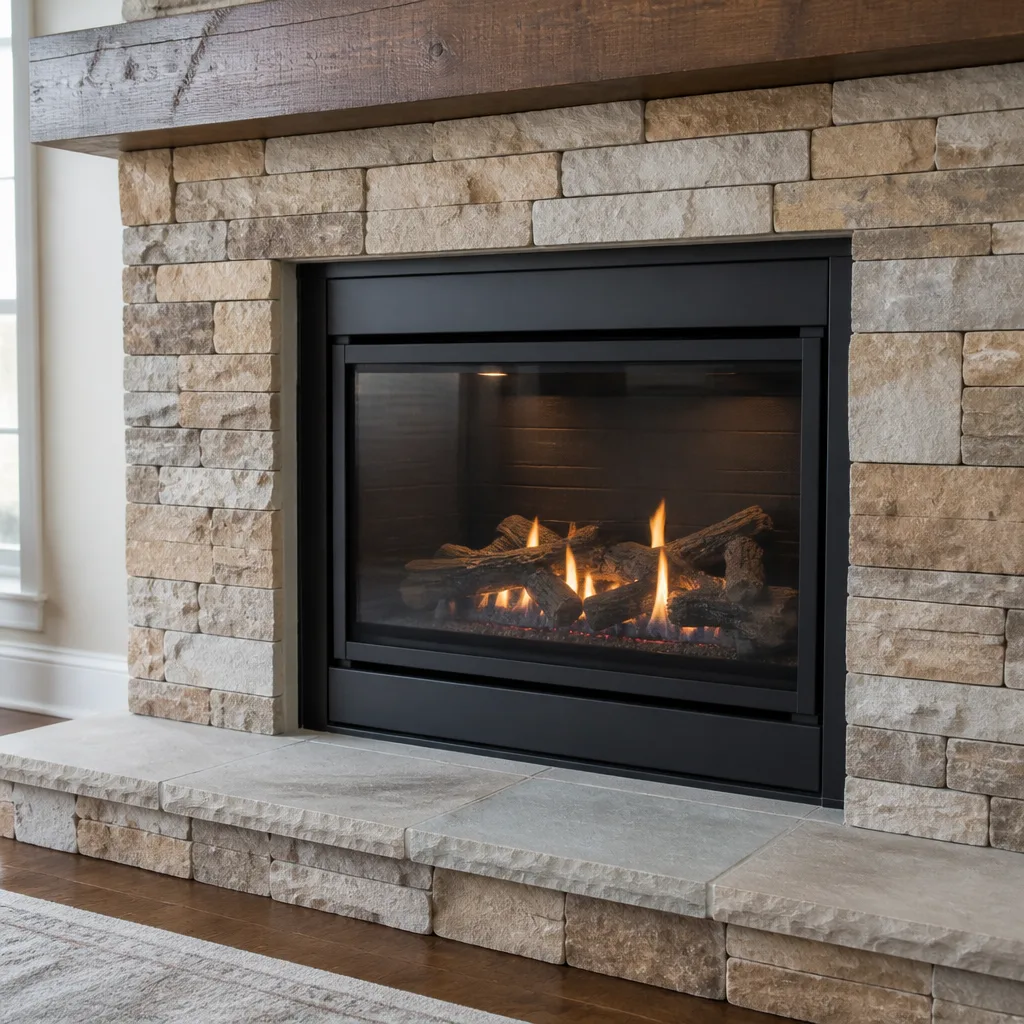 Gas fireplace service
Level 1 sweep and inspection to the NFPA 211 annual standard - flue, crown, cap, and flashing checked and photographed
Chimney sweep logs do not sweep chimneys. They loosen some creosote - which then falls where a brush and vacuum still have to collect it.
How to Hire a Chimney Cleaning Contractor in McAllen: A Step-by-Step Guide
Most homeowners in McAllen vet a chimney contractor by asking one question: how much? That’s the wrong starting point. In Texas, a person can knock on your door, offer to sweep your flue, and charge you a flat rate without holding any state-issued chimney license at all. The cleaning itself is rarely where people get burned. It’s the hiring. The few minutes you spend checking certifications, insurance documents, and what materials a contractor actually plans to put inside your chimney will tell you more than any flyer or truck decal ever will. This guide walks through exactly what to ask, what to verify, and what a written scope should contain before money changes hands in McAllen.
Quick Answer
To hire a chimney cleaning contractor in McAllen, ask for the crew’s CSIA or NFI credential and verify it directly, request a certificate of insurance for both general liability and workers’ compensation, insist on named-brand materials in any written scope, and get the full job scope in writing before work starts. A legitimate contractor will hand over all four without hesitation. The ones who deflect, stall, or promise to “get you the paperwork later” are the ones to walk away from.
Styles & brands we work with
- Sweep & inspection
- Caps & crowns
- Flue relining
- Masonry repair
- Gas fireplace service
Table of Contents
- Why Vetting Matters More Than the Cleaning Itself
- The Credentials to Request and How to Verify Them
- What Insurance Documentation Should Actually Look Like
- Named-Brand Materials vs. Anonymous Off-Brand Parts
- What a Written Scope of Work Must Include
- Red Flags in Quotes and Unitized Rates
- The Step-by-Step Hiring Process in McAllen
- Common Mistakes to Avoid
- When to Call a Professional
- Frequently Asked Questions
Why Vetting Matters More Than the Cleaning Itself
Here’s the part that surprises people: chimney sweeping in Texas isn’t a licensed trade the way electrical or plumbing work is. That means the barrier to entry is a truck, a brush, and a business card. Some of the best chimney technicians in the Rio Grande Valley work without a single government-issued license because there isn’t one to get. The credentials that matter in this trade come from private industry bodies, and the responsibility for checking them falls on you, the homeowner.
That’s not a reason for alarm. It’s a reason to know what to look for. A cleaning that goes well looks identical to a cleaning that goes badly until something fails later: a cracked flue tile that wasn’t caught, a liner installed with the wrong components, a cap that doesn’t seal against monsoon-season rain. Those failures are expensive and they’re invisible from the living room.
McAllen homeowners face a specific version of this problem. The market here is a mix of general handymen who add chimney cleaning to a long service list, out-of-town crews passing through, and dedicated chimney specialists who work this market year-round. On a website or a business card, all three can look the same. The vetting process is the only reliable filter, and it takes about fifteen minutes of asking the right questions.
The other thing worth understanding: the combustion-safety chain in your home isn’t just the chimney. It’s the fireplace, the flue, the cap, the connectors, and the dryer vent – all pushing exhaust out of a sealed building. A contractor who only understands the sweep portion of that chain is a contractor who can miss what’s actually wrong. That’s why the diligence below covers both the person and the parts they’ll put in your home.
The Credentials to Request and How to Verify Them
The two industry credentials worth asking about in McAllen are CSIA certification through the Chimney Safety Institute of America and NFI certification through the National Fireplace Institute. Neither is a state license. Both require testing and continuing education, and both are verifiable independently of the person handing you the card.
CSIA (Chimney Safety Institute of America): This is the trade’s baseline credential. A CSIA-certified sweep has passed an exam on inspection standards, sweeping technique, and code awareness, and holds current certification. You can look up any individual or company directly in the CSIA’s online directory – don’t just look at the card. If the person in front of you says they’re certified but their name or the company’s name doesn’t appear in the directory, that’s your answer.
NFI (National Fireplace Institute): NFI certification runs by specialty – wood, gas, and pellet. A technician certified in gas appliances shouldn’t be your choice for a wood-burning fireplace, and vice versa. Ask which specialty applies to your setup and confirm it matches the credential.
Beyond the alphabet credentials, these questions separate specialists from generalists:
- How many chimney inspections and sweeps has the technician personally performed this year? Not the company – the person who shows up.
- Does the crew perform a Level 2 camera inspection when the situation calls for one, or is a visual look from the firebox the standard?
- Can the contractor describe how they handle a flue that’s cracking, spalling, or has a tiles gap, and what their options are beyond full replacement?
- Do they work under a written estimate for the sweep, or quote it verbally and adjust on the day?
If you hire through us, we’ll show you our credentials and point you to where they can be verified. Our technicians have up to 12 years of experience, and the brand authorizations we hold – DuraFlex, HeatShield, Copperfield, Olympia Chimney, Famco, and Gelco – are the ones we can produce documentation for. We’d rather you check than assume.
What Insurance Documentation Should Actually Look Like
Any contractor working on a residential roof or interior in McAllen should carry two distinct insurance policies: general liability, which covers damage to your property, and workers’ compensation insurance, which covers injuries to the workers themselves. Both matter, and they cover different things.
General liability is the one most homeowners look for. If a liner drops, a roof tile cracks, or a chimney cap detaches and falls, that policy is what pays for the repair. Workers’ compensation is the less obvious one and the one people skip. Without it, an injured worker can come after your homeowner’s policy or your savings. In McAllen’s competitive service market, some small operators skip workers’ comp because it’s expensive. That’s a risk that lands on you, not them.
So here’s what to request, and how to read what you get:
- Ask for a certificate of insurance. A legitimate contractor can have their carrier email you one directly, and the certificate will name both policies and the coverage limits.
- Check the policy holder’s name. The certificate should name the business or person you’re hiring, not a parent company or an unrelated entity.
- Look for the expiration date. A certificate that expired three months ago isn’t proof of anything.
- Ask your own insurer a quick question. A two-minute call to your homeowner’s agent about how they view chimney work will tell you exactly what they want to see from a contractor before you hire.
The pattern is simple: a professional contractor expects this conversation, has the certificates ready, and doesn’t act insulted. If you ask for proof of insurance and the response is “we’ve been doing this forever” or “don’t worry about it,” the answer to why they’re avoiding the question tells you more than the certificate would have.
Named-Brand Materials vs. Anonymous Off-Brand Parts
This is where most homeowners get blindsided, and it has nothing to do with the sweep. When a chimney needs repair – a reline, a cap, a set of connectors – the materials in play are branded industry products, and the choice between a known brand and an off-brand substitute affects performance, code compatibility, and warranty.
In the chimney trade, the recognized names are specific. DuraFlex flexible liner systems are the standard for relining irregular or decaying flues. HeatShield is a proprietary resurfacing system applied to deteriorating clay tile liners, restoring them without a full reline. Copperfield makes specialty components. Olympia Chimney, Famco, and Gelco round out the venting side. These are brands used by trained chimney specialists nationwide, not the kind of thing you find on a shelf at a general hardware store and improvise with.
Why this matters for you:
- Warranty. A branded liner installed by a trained applicator comes with a manufacturer’s warranty that runs with the product. An anonymous off-brand part usually carries no such warranty, and often nothing in writing at all.
- Compatibility. Venting systems are engineered as systems. A connector from one brand mated to a liner from another may fit but may not perform to spec, and in some configurations won’t meet code.
- Verifiability after the fact. If you ever sell the home or have the chimney re-inspected, a documented materials record is worth something. “We installed a DuraFlex liner” is a fact. “We installed a liner” is a gap.
When you get quotes, ask the contractor to specify the brand and model of every component they propose to install. A quote that names the parts is a quote from someone who knows what they’re doing. A quote that says “liner” or “cap” without qualification is a quote that leaves the decision to whoever fills the order. That’s the “materials-accountable” approach we take at Chimney Sweep McAllen – we name the brands we install because you deserve to know what’s going into your chimney.
What a Written Scope of Work Must Include
A written scope is your only defense in a dispute. Verbal promises – “we’ll take care of it,” “don’t worry about the cap, I’ll sort you out” – are worth nothing if the work turns out wrong. Before any money changes hands in McAllen, get a document that covers all of the following:
- The full job description. Sweep the flue, inspect the firebox, video the flue, and so on. Every distinct task should be listed, not summarized.
- What gets inspected vs. what gets cleaned. These are different line items, and the difference matters if an inspection finds a problem the sweep won’t fix.
- Every material to be installed, with brand and model. “DuraFlex 6-inch flexible liner” is specific; “liner” is not.
- The price, per line item, with a total. Flat single-figure quotes that don’t break out labor and materials are harder to dispute and easier to hide markups in.
- What’s excluded. A scope should state what’s not included: roof access limitations, masonry repairs beyond the flue, dryer vent if you’ve bundled it. Exclusions are how you avoid the surprise “that’s extra” conversation when the technician is already on your roof.
- The warranty and who honors it. Product warranty, labor warranty, and the contact information for both.
- Camera inspection evidence. If the inspection recommends additional work, the video should be attached or made available to you, not summarized in a phone call.
- Payment terms and cancellation. What’s due when, and what happens if you need to reschedule.
That’s a lot, and it’s the point. A contractor who hands you a scope with eight line items is a contractor who takes their own work seriously. A contractor who hands you a one-line invoice on the back of a business card is telling you what your recourse will be in six months if something fails: nothing written.
Red Flags in Quotes and Untimed Rates
The clearest way to separate a specialist from a handyman in the McAllen market is to read the quote. Most of the warning signs are right there in the language – and none of them are about price, which makes them reliable filters regardless of your budget.
- Single-figure flat quotes with no breakdown. A quote of “sweep and inspect: one price” tells you nothing about what’s included. $150 could mean the sweep and the report, or the sweep and nothing. Legitimate quotes itemize.
- “Generic components” language. If a quote mentions components without naming them, that’s not brevity. It’s a decision the contractor is keeping for themselves.
- “We’ll get the paperwork to you after.” Insurance certificates and CSIA verification happen before the work, not after the invoice. There’s no legitimate reason to defer them.
- Quotes that include repair work before any inspection. A real chimney specialist inspects before recommending. A quote for relining issued before the flue has been videoed is a quote based on assumption.
- No written estimate at all. Verbal-only is an old pattern, and it’s the one most often cited in disputes. If it isn’t written, it isn’t a quote.
- Pressure to schedule the same visit for the sweep and a repair. A sweep and an inspection belong together. Signing a repair contract on the same visit as the sweep, before you’ve had time to read the scope, is how homeowners end up paying for work they can’t verify.
- No mention of dryer vent even when bundled. If a contractor offers chimney and vent work but treats the dryer vent as an afterthought, the combustion-safety mindset isn’t there.
One thing to note: none of these are deal-breakers on their own. A quote can be skimpy because the contractor’s office is small. What matters is that the contractor can produce the missing item on request. Ask, and watch how they respond. The response is the data.
The Step-by-Step Hiring Process in McAllen
Here’s the sequence that works. It takes about fifteen minutes of your time spread across a few conversations, and it’s the process most homeowners skip.
- Ask for the CSIA or NFI credential and verify it yourself. Log into the CSIA directory or the NFI lookup and confirm the name matches. Don’t rely on the card.
- Request the certificate of insurance before scheduling anything. General liability and workers’ comp, both current, naming the business you’re hiring.
- Ask what materials the contractor uses – all of them. Liner, cap, sealants, connectors. The specific brand matters as much as the specific part.
- Confirm the inspection is part of the job. A sweep without a Level 1 or Level 2 inspection is an incomplete visit. Camera inspection and photo report should be standard, not an upsell.
- Read the written scope before you sign or pay anything. If a scope isn’t provided, walk. If it’s provided but missing the material names, ask for the names in writing.
- Get the price in writing, itemized. Best practice is a flat-price sweep agreed before booking, plus an itemized scope for any repair work.
- Confirm the warranty terms and who honors them. Product and labor separately. Get the contact information for both in writing.
- Understand the local-weather context for your chimney. McAllen’s heating season is short and its summer is long, which means the chimney sits idle for months and monsoon-season rain can find any gap in the cap or crown. Ask the contractor how they check the cap and crown on each visit, not just the flue.
The full round trip is doable in one afternoon. If a contractor pushes back on any of these steps, that’s the information you came for. A genuine specialist in McAllen will walk you through all eight – because the specialist knows what’s riding on them. When it’s time to book a chimney sweep, that checklist is the same one we use to prepare for a visit.
The bigger reason for the process is that chimney work lives or dies on the details nobody sees. A sweep that misses a hairline crack in a flue tile is a sweep that leaves you at risk all next heating season. A reline installed with the wrong liner for the flue can fail early. That’s why the process above matters more than the price on the quote – which is exactly what the next two sections cover.
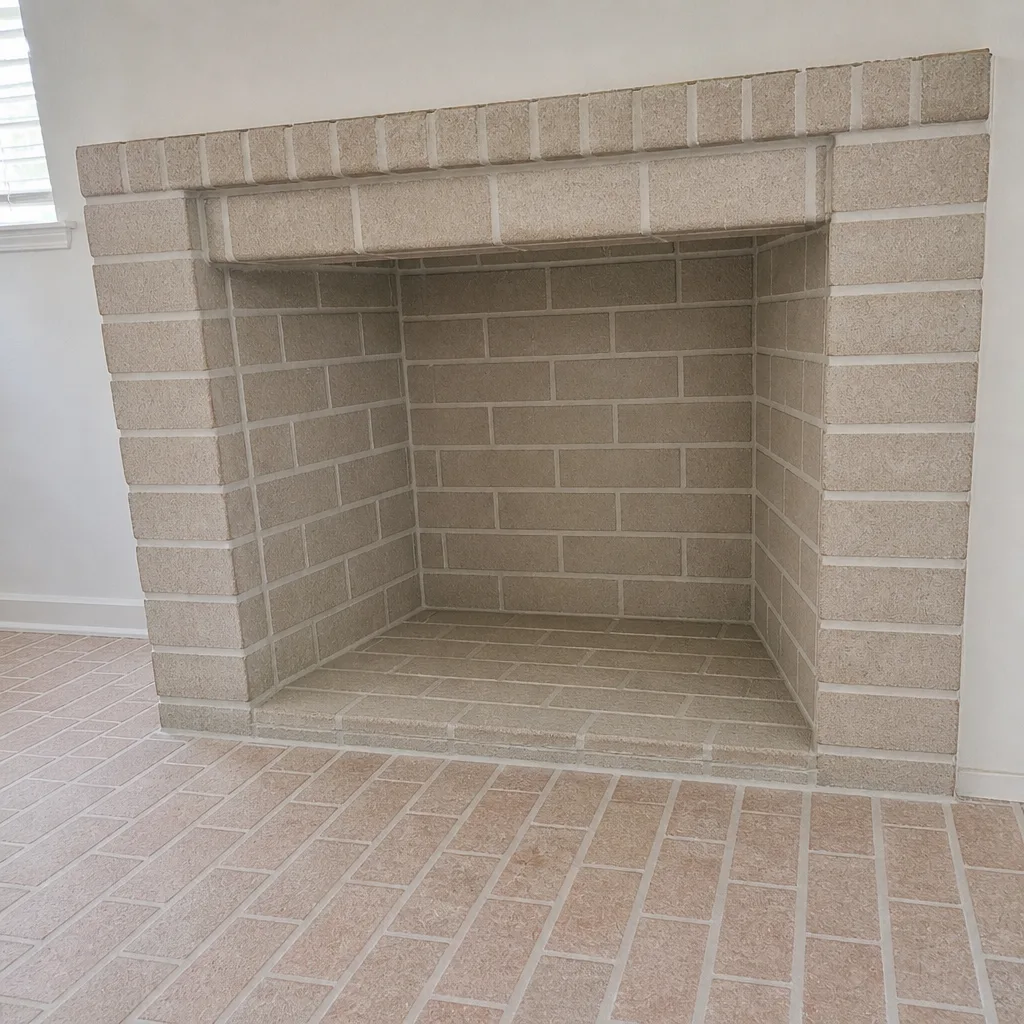
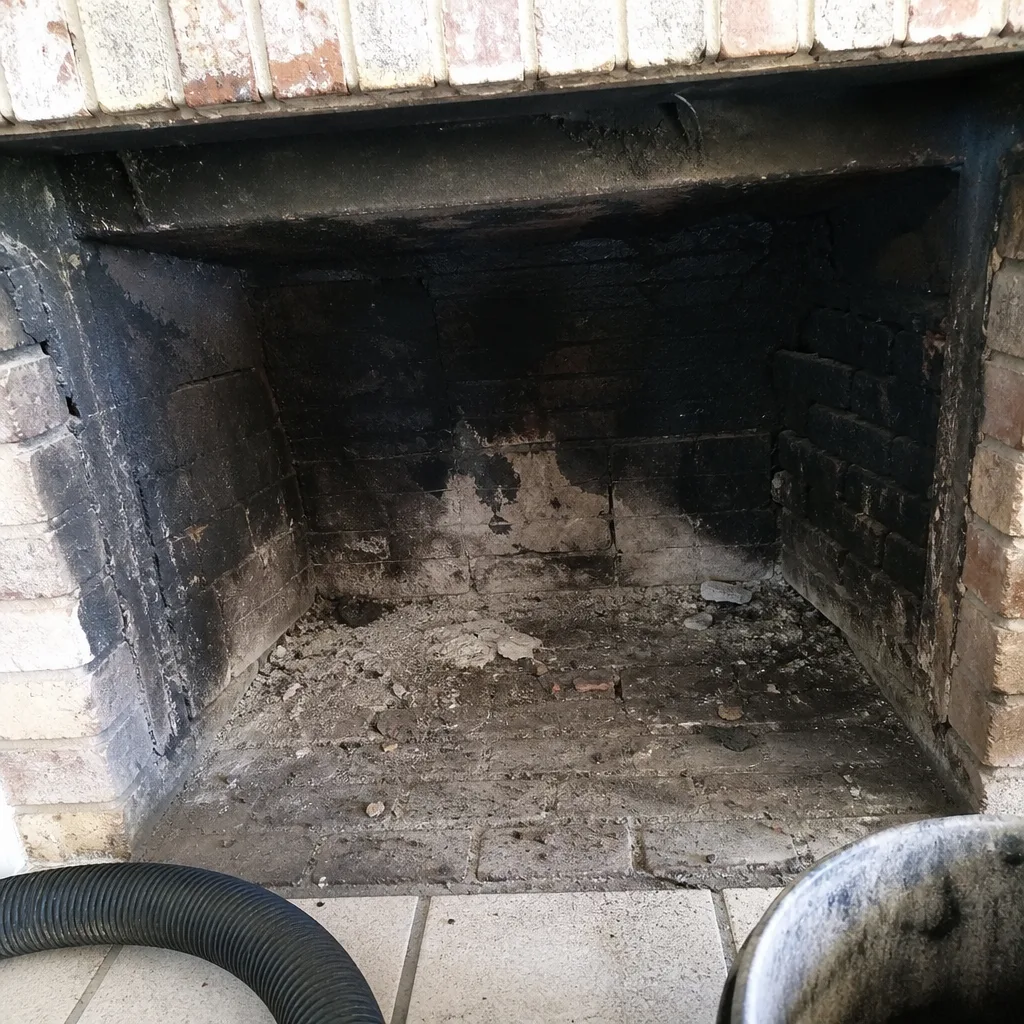
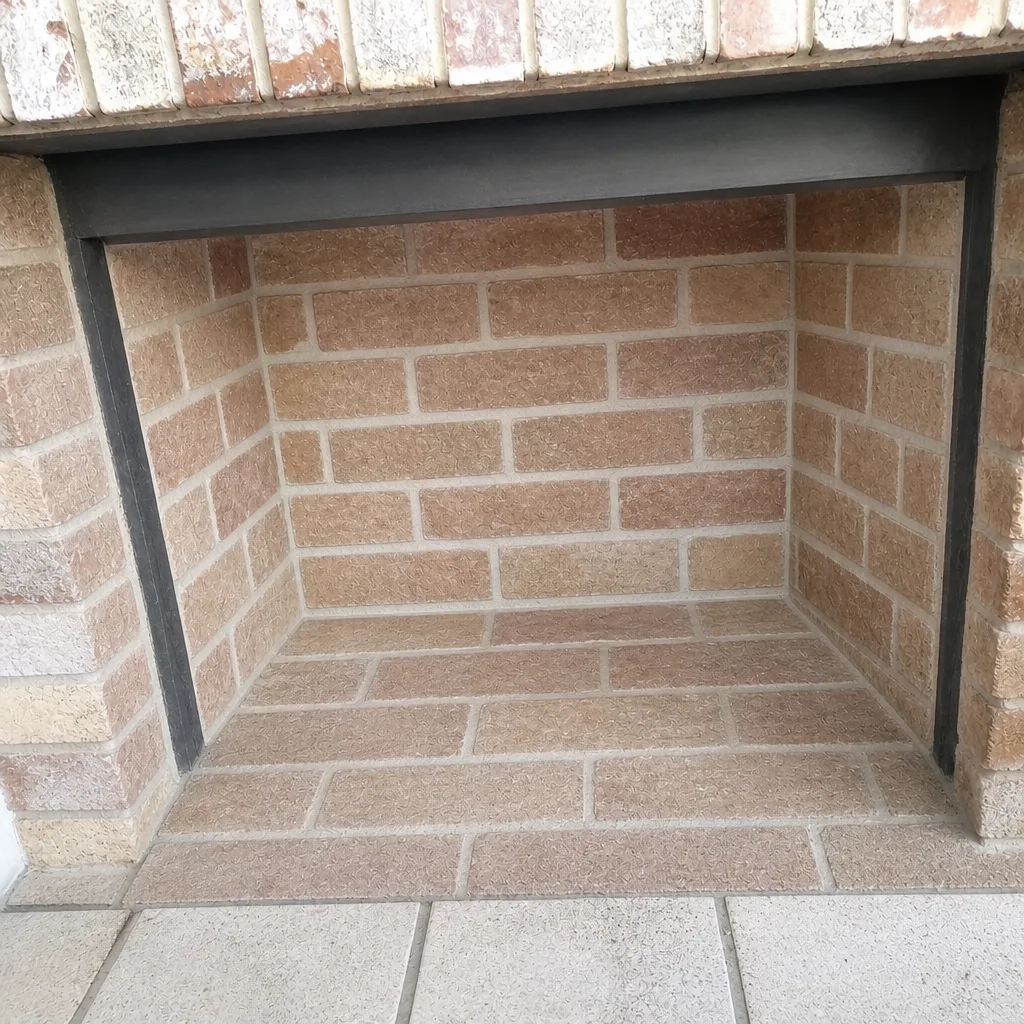
See the difference
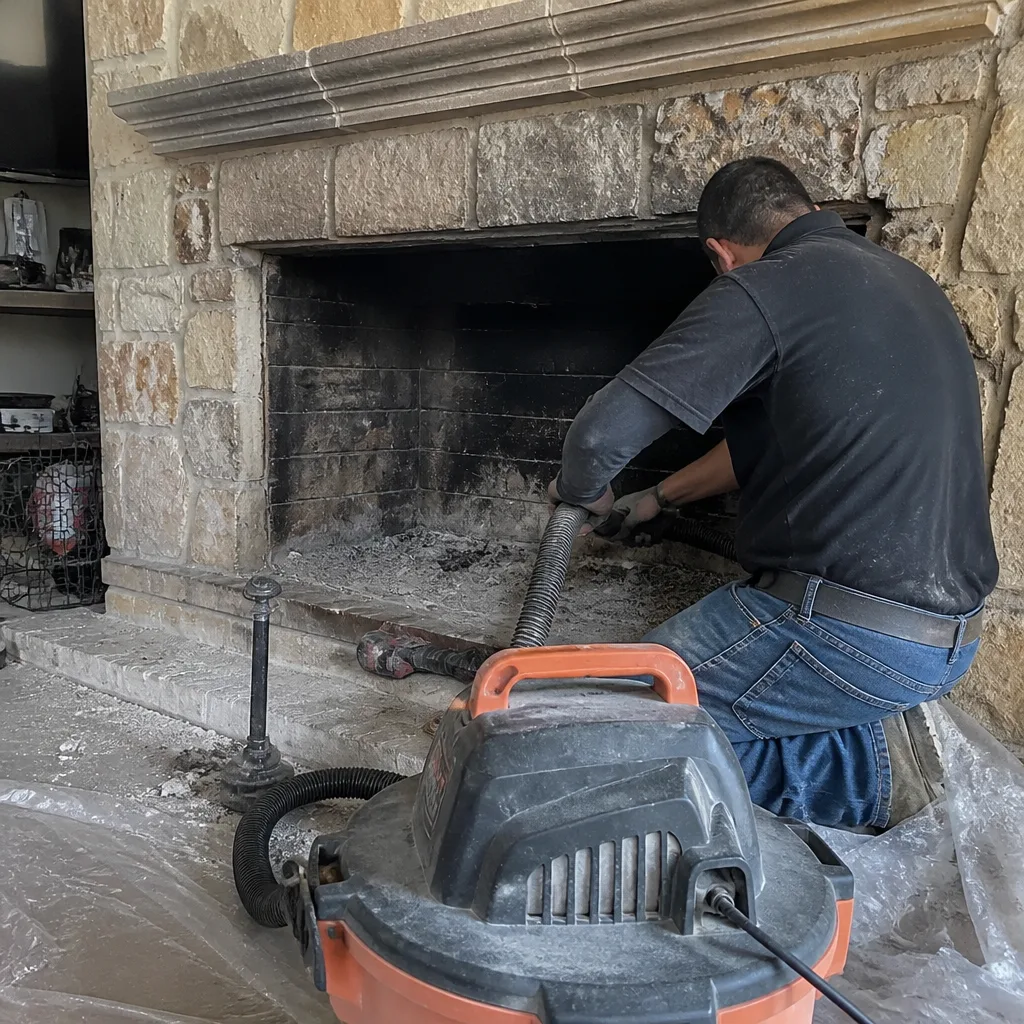 Before
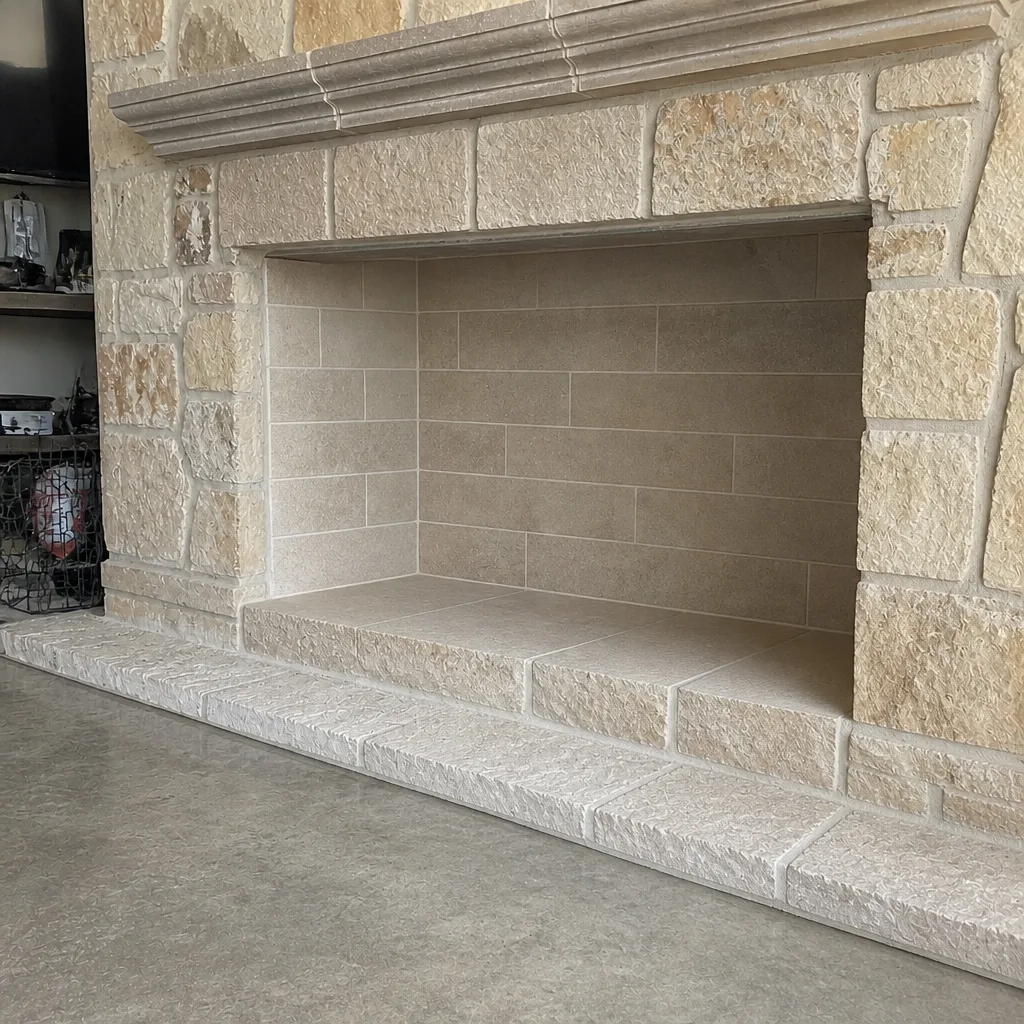 After
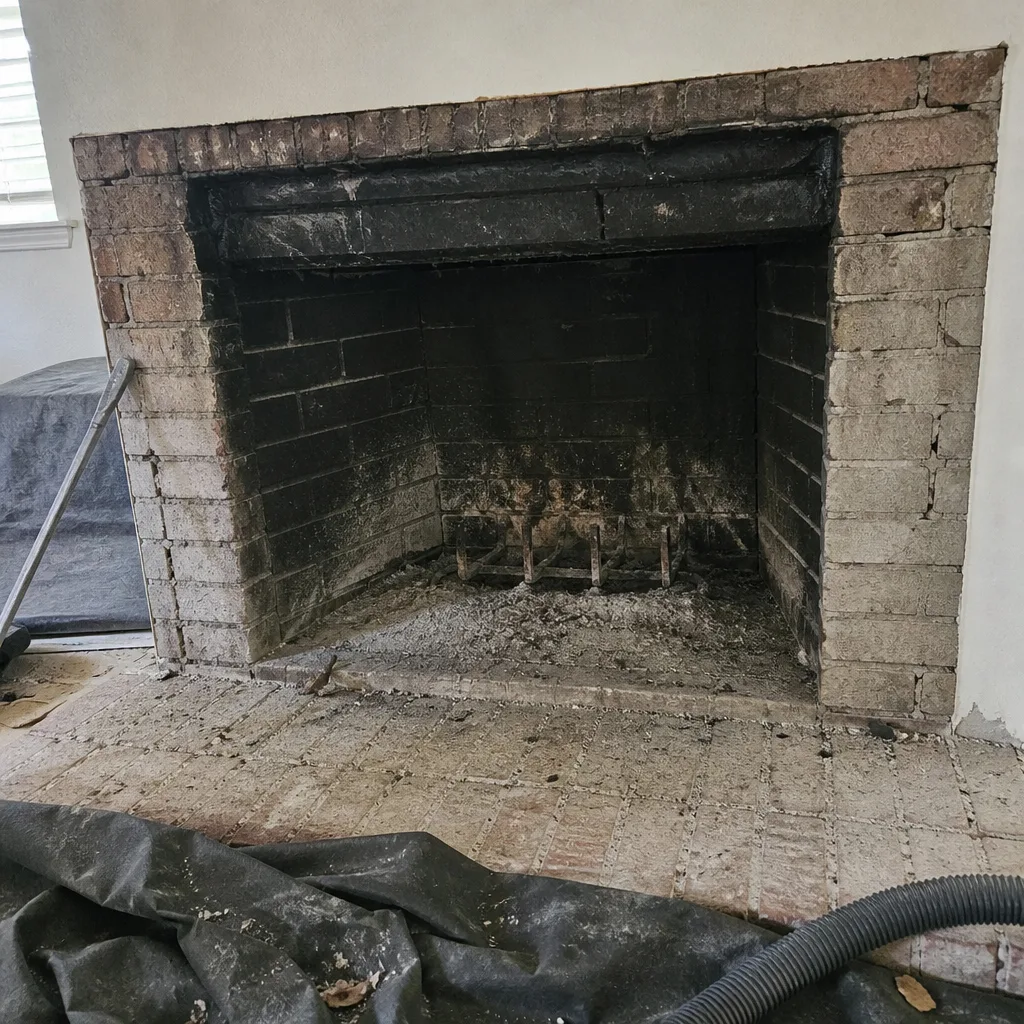 Before
 After
 Before
 After
Common Mistakes to Avoid
- Hiring the cheapest quote without reading it. The lowest number in a range of McAllen quotes is often the least itemized. Cheaper isn’t better; itemized and verified is.
- Accepting a business card as proof of certification. Cards can be printed. The CSIA directory can’t. Look it up.
- Skipping the workers’ comp check. Homeowners in McAllen often look for general liability and stop there. Workers’ comp protects you from a worker’s injury claim on your property.
- Approving repair work before seeing the inspection evidence. If a contractor recommends a reline, ask for the camera footage. A recommendation without evidence isn’t a recommendation – it’s a sale.
- Letting the dryer vent go unchecked because the chimney was fine. Both are exhaust systems. Lint buildup in the dryer vent is a documented fire risk in the same way a blocked flue is. If you’re hiring for one, ask about the other.
- Hiring a general handyman for a liner replacement. General contractors can do a lot of good work. Liner installation with a brand-specific system like HeatShield or DuraFlex is not that work – it requires a trained applicator and the specific tools and certification.
- Assuming rainfall and heat don’t affect the chimney. In McAllen, cap and crown wear is a real thing – the summer sun and the rain that comes with the season find every gap. A sweep that only looks down the flue has done half the job.
- Not asking what happens if the work fails. The warranty question sounds dull. It’s the most important line in the scope.
When to Call a Professional
You should call a professional when your chimney or dryer vent has an issue you can feel, smell, or see – not only when something breaks. Persistent smoky smells in the room, visible creosote (the dark, tar-like buildup a wood fire leaves), a cap or crown that looks damaged from the ground, or a dryer that’s taking longer than usual to dry clothes are all reasons to have someone out. So is buying a home with a fireplace whose service history is unknown, and so is the arrival of the heating season after a chimney has sat idle. Our team treats any one of those as a reason to inspect before the season starts, not after.
Chimney repair in McAllen, including liner work, drilling into a flue, or removing a cap, is not a homeowner job. The fires and carbon monoxide risk come from the flue being wrong in ways you can’t see from the firebox. Get it inspected, get the camera evidence, and let a trained technician do the work.
Chimney Sweep McAllen offers free estimates in McAllen – call (866) 566-0403. We answer 24/7. Fast dispatch from 7am to 7pm, Sunday through Friday.
Frequently Asked Questions
A typical chimney sweep in McAllen is priced per job by a written estimate rather than a set market rate, and the final price depends on the flue, the type of appliance, and whether an inspection with camera footage is included. The estimate is free and the price is set per job, so request a written quote before booking. Call (866) 566-0403 for an exact quote.
Not always. A liner is only recommended when the inspection, including camera evidence, shows the existing flue is cracked, spalling, or missing sections – and even then, a resurfacing system like HeatShield can sometimes restore a deteriorating flue without full replacement. That’s the difference between a specialist and a sweep-only operator. Ask for the footage and ask what the alternatives are. Nothing should be recommended without camera evidence you can see for yourself, and work can safely wait in many cases once the flue is confirmed sound. Call (866) 566-0403 to get an inspection quote.
For a wood-burning fireplace in regular use, once a year is the usual baseline, and more often if you burn heavily or notice a smoky smell. Gas appliances need less frequent sweeping but still need annual inspection, because gas venting failures show up in inspection, not in cleaning. In McAllen, the late-summer and early-fall months are a common time to book, before the short heating season starts. Call (866) 566-0403 to book a sweep.
Skipping a sweep lets creosote and soot build up in the flue, and those are the materials that fuel chimney fires. A blocked or cracked flue also allows carbon monoxide to back up into the home instead of venting outside. Neither risk is visible from the room. The point isn’t to scare you into booking – it’s to say that the check is the whole safety chain, and it’s cheap relative to the alternative. Call (866) 566-0403 for a free estimate.
Yes. The CSIA maintains an online directory of certified sweeps, and the NFI publishes certification lookups by specialty. You can search the contractor’s name and the company name directly. A legitimate contractor expects you to do this and won’t be bothered by the question. If the name doesn’t turn up in either directory and the contractor can’t explain why, treat it as a red flag.
Somewhat. McAllen’s heating season is short and mild, so fireplaces are used less per year than they would be up north. That means creosote builds more slowly – but it also means chimneys sit idle for long stretches, which is when caps, crowns, and flue tiles are exposed to summer heat and rain. A good sweep in McAllen checks the cap and crown on every visit, not just the flue, and a good contractor will say so plainly. For dryer vent work, we cover dryer vent cleaning under the same combustion-safety approach.
The Bottom Line
Hiring a chimney cleaning contractor in McAllen is a vetting task, not a price-shopping task. Verify the CSIA or NFI credential directly, ask for general liability and workers’ comp certificates before scheduling, and refuse any quote that doesn’t name its materials in writing. A named-brand system like DuraFlex or HeatShield, installed by a trained applicator and backed by a warranty, is worth more than the cheapest quote on the list. Get the scope in writing, get the camera evidence on record, and call when something looks wrong. That process, not the sweep itself, is what protects your home. When you’re ready to book, our team in McAllen works with the professional-grade brands we name, and we’ll show you the documentation.
Call Chimney Sweep McAllen at (866) 566-0403 for a free estimate. We answer 24/7. Fast dispatch from 7am to 7pm, Sunday through Friday. Chimney sweep, liner repair, and dryer vent cleaning – one call, one crew, no handoffs.
Written by the team at Chimney Sweep McAllen.